




Oriental Soapstone Carving
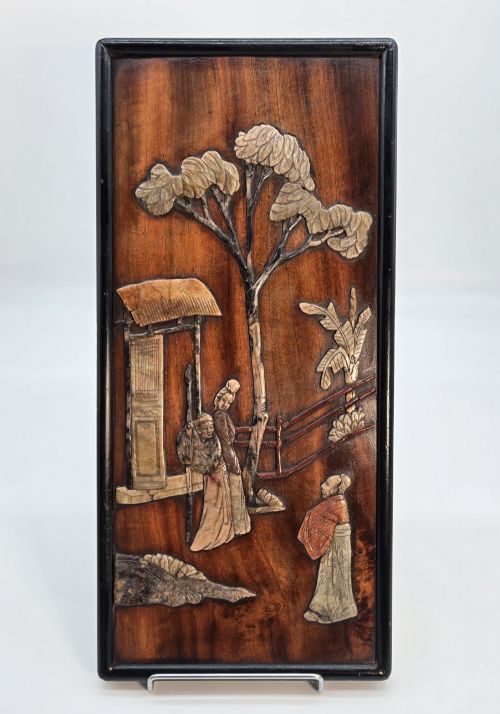
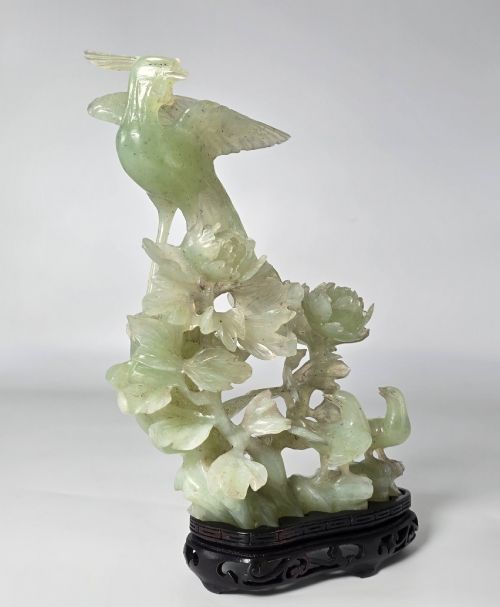
An oriental soapstone carving brings tactile depth to a desk, carved from soft mineral to catch the light.
Oriental Soapstone Carving
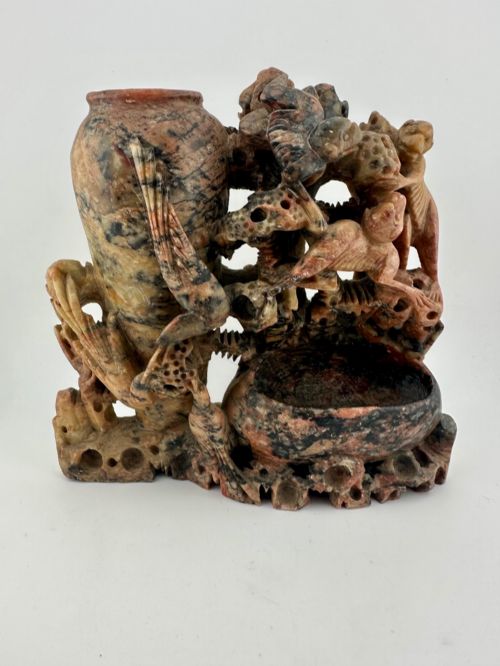
An oriental soapstone carving represents centuries of skill, taking the form of scholarly desk accessories, brush pots, and figurative sculptures. Collectors searching for oriental soapstone carving encounter works spanning the nineteenth century through the 1930s, reflecting Qing Dynasty and Republic Period aesthetics.
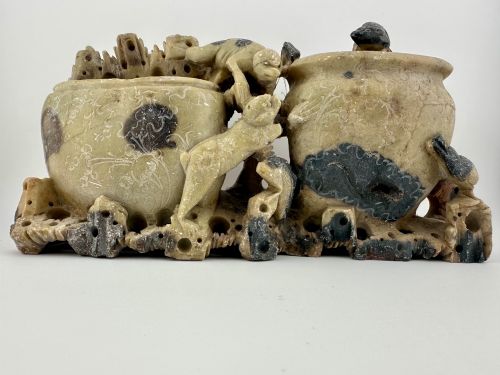
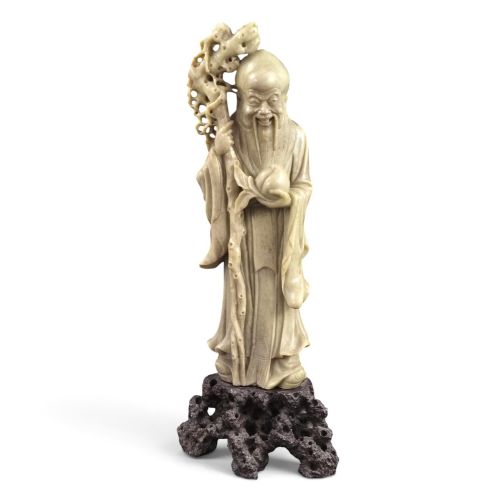
The objects vary from intricate scholar's desk groups and seals depicting mythical beasts to framed pictures and folding screens. Figures of sages, animals, and continuous landscapes dominate the available forms, often mounted on hardwood bases or framed in oak and lacquer.
Materials and methods
Makers utilised soapstone and steatite alongside related minerals such as shoushan stone, hardstone, and serpentine. These materials lend themselves to detailed hand carving due to their relative softness, allowing artisans to shape complex figures of dragons, birds, and human subjects.
Complementary materials like hardwood, brass, oak, and lacquer provide structural support for screens, seals, and framed panels. Artisans paired the carved stone with fitted wooden stands to create stable display pieces for scholars and collectors.
Oriental Soapstone Carving Retail Price Guide 2026
Typical asking prices for oriental soapstone carving among the pieces listed under this phrase on Sellingantiques today, from the lower quarter to the upper quarter. They describe what is for sale here now, not the wider market.
Listings feature soapstone, steatite, hardstone, and wood across the nineteenth century and the 1930s.
Judging quality
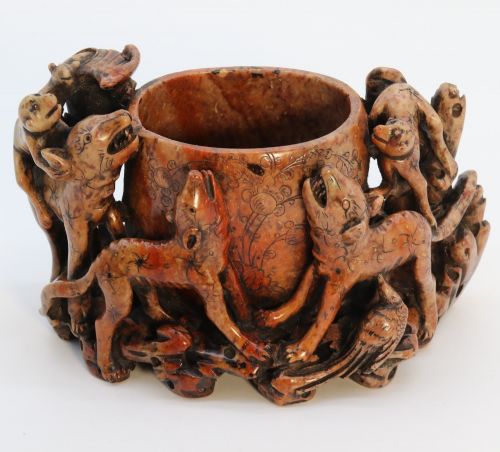
Quality rests upon the depth of the undercut and the precision of the hand carving, where finer pieces reveal distinct facial expressions, scales, and foliage. The natural variation of the soapstone, ranging from pale green to mottled hues, enhances the visual weight of the sculpture when polished.
The integration of the stone with its auxiliary materials, such as custom-carved hardwood bases or fitted lacquered frames, separates standard works from exceptional examples. Retention of original stoppers on snuff bottles or complete sets of puzzle cups further distinguishes better survivals.
The Oriental Soapstone Carving Glossary
- Soapstone
- A metamorphic rock composed primarily of talc, prized for its soft texture and suitability for intricate hand carving. It absorbs oils well, developing a rich patina over time.
- Steatite
- Another term for massive talc-schist or soapstone, frequently used by carvers for small scholar's objects and seals. Its density allows for crisp lettering and fine figurative detail.
- Shoushan Stone
- A specific variety of soapstone originating from Fujian province, known for its translucent qualities and varied colour palette. Carvers utilised these natural tones to highlight specific elements in figures and landscapes.
- Brush Washer
- A vessel designed for cleaning calligraphy brushes in scholar's studios. These often double as elaborate desk groups carved with figures or natural scenery.
- Seal
- A carved stamp used for signing documents or works of art, frequently topped with mythical beasts such as chi dragons or Foo dogs. They combine functional utility with miniature sculpture.
Oriental Soapstone Carving: Frequently Asked Questions
What is soapstone?
Soapstone is a talc-rich metamorphic rock that feels smooth to the touch and accepts fine detail easily.
Carvers utilised this material because it permits intricate undercutting without fracturing brittle edges.
How were brush washers used?
Brush washers held water on a scholar's desk to rinse ink from calligraphy brushes during writing or painting.
Many examples incorporate sculptural elements like figures or animals climbing the rim.
How do I date these carvings?
Dating relies on stylistic markers from periods like the Qing Dynasty or Republic era alongside material context.
Associated hardwood stands and framing methods also provide clues to the approximate decade of production.
Are these pieces fragile?
Soapstone is a relatively soft mineral that can scratch or chip if dropped against hard surfaces.
Careful placement away from table edges ensures these carved sculptures survive intact.