

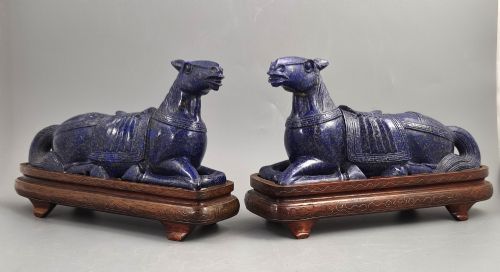
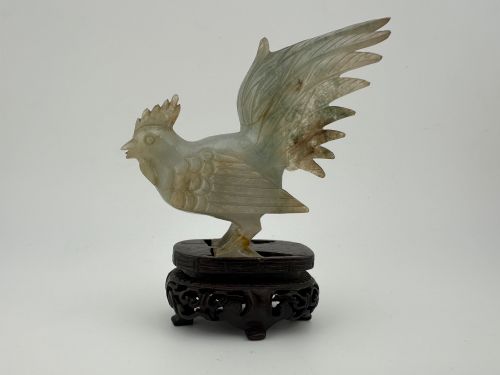
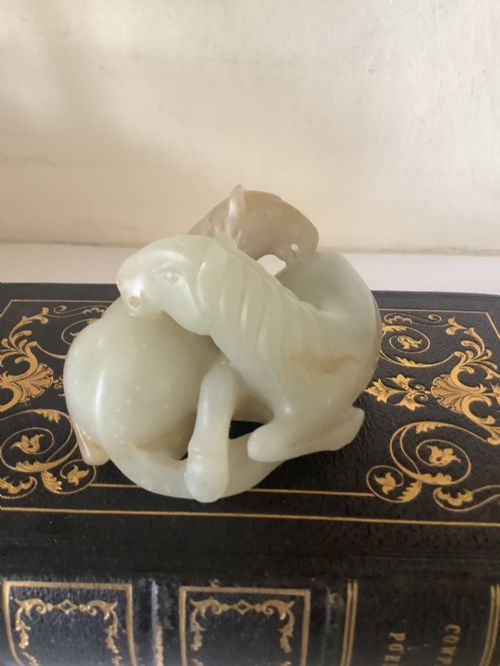
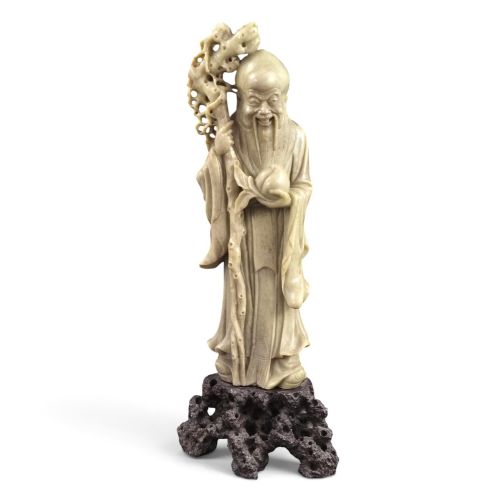


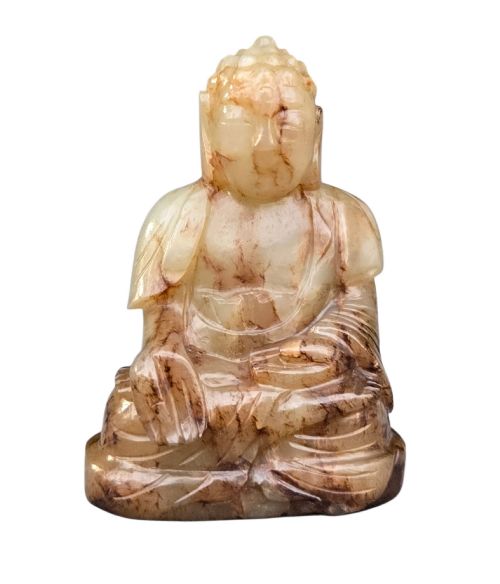


Chinese Stone Figurine
A chinese stone figurine brings centuries of carver's patience straight to a desk or shelf, capturing figures and animals in soapstone, jade and hardstone.
Chinese Stone Figurine
A chinese stone figurine represents carved figures and animals shaped from soapstone, jade, nephrite, and hardstone. These sculptures range from small miniatures to large statues and desk seals originating across the nineteenth century and earlier Ming or Qing dynasties.
The most common examples encountered on this page feature soapstone and jade carvings depicting figures such as Shoulao, seated Buddhas, sages, and animals including monkeys, horses, geese, and pigs. Forms span decorative sculptures, statues, and matched pairs.
Materials and carving techniques
Carvers shaped these pieces from soapstone, steatite, jade, and various hardstones, sometimes mounting them on hardwood bases. The natural characteristics of the stone dictated the depth and flow of each carved line.
Makers utilised traditional hand-carving methods to work resistant materials into detailed figures of men, animals, and religious icons. The resulting textures show the deliberate removal of stone to create distinct forms like birds' nests, robes, and fur.
Chinese Stone Figurine Retail Price Guide 2026
Typical asking prices for chinese stone figurine among the pieces listed under this phrase on Sellingantiques today, from the lower quarter to the upper quarter. They describe what is for sale here now, not the wider market.
Listings feature soapstone, jade, and hardstone across the nineteenth century and earlier Qing periods.
Separating the ordinary from the exceptional
Quality rests entirely in the ambition of the carving and the responsiveness of the material to the maker's hand. Softer soapstone allows for intricate undercut details in robes and animal groups, whilst dense jade demands precise control over stubborn mineral.
The best pieces demonstrate an expressive fluidity in posture and subject, whether capturing a seated Buddha or a sow with piglets. Weaker examples rely on stiff postures and flat planes that fail to engage with the natural grain of the stone.
The Chinese Stone Figurine Glossary
- Soapstone
- A soft metamorphic rock composed mainly of talc, prized for its smooth feel and ease of carving. It frequently takes on rich colouration and detailed miniature work.
- Jade
- A dense, tough gemstone encompassing nephrite and jadeite, historically revered in Chinese carving. It requires specialist abrasive techniques to shape.
- Shoulao
- The Chinese Taoist god of longevity, commonly depicted with a high forehead and a staff. He appears frequently in nineteenth-century soapstone figures.
- Steatite
- A massive variety of talc closely related to soapstone, frequently utilised for seals and small sculptures. The material takes a fine polish.
- Hardstone
- A general term for semi-precious stones harder than ordinary building stone, used for miniature sculptures and decorative objects.
Chinese Stone Figurine: Frequently Asked Questions
What is a chinese stone figurine made of?
These sculptures are carved from various minerals including soapstone, steatite, nephrite, and other hardstones. Some examples include hardwood elements in their overall composition.
The choice of material heavily influences the tactile quality and the level of detail the carver could achieve.
How old are these carvings typically?
The pieces span multiple periods, with many originating in the nineteenth century, including the Qing dynasty. Earlier examples date back towards the late Ming era.
Dating relies on stylistic conventions of the figures and the handling of the stone material rather than fixed maker marks.
What subjects do these figures show?
Subjects range from human figures such as sages, Shoulao, and seated Buddhas to animals including horses, monkeys, geese, and pigs. Miniature sculptures of fish and boys with birds' nests also appear.
Many of these subjects carry traditional symbolic meanings associated with longevity, wisdom, and prosperity.
Are desk seals included in this group?
Desk seals formed from soapstone are part of the broader category of carved stone objects. These functional items often feature figural tops like corpulent Buddhas.
Carvers applied the same sculptural skill to utilitarian desk items as they did to standalone statues.
How do I care for a stone carving?
Keep soapstone and jade pieces away from sudden temperature changes and harsh cleaning chemicals. Gentle dusting with a dry cloth preserves the polished surface.
Soft stones like soapstone are susceptible to scratching and benefit from careful placement on stable display surfaces.