




Oriental Hardstone Carving
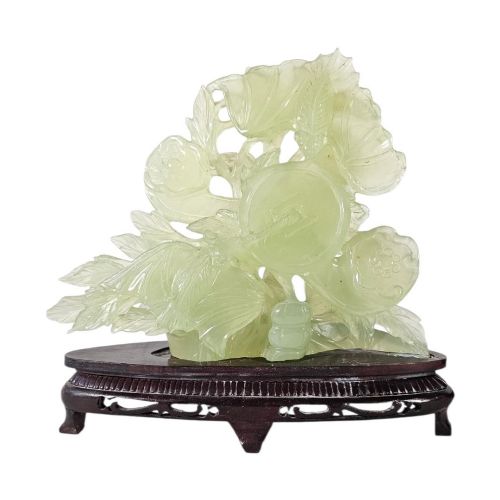
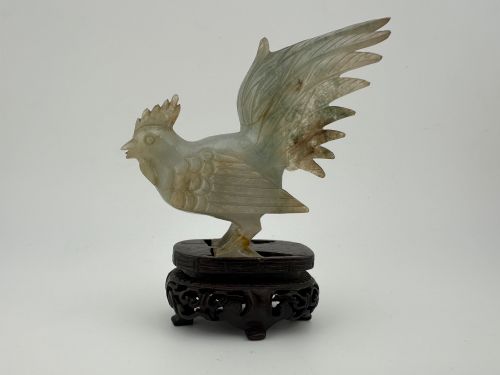
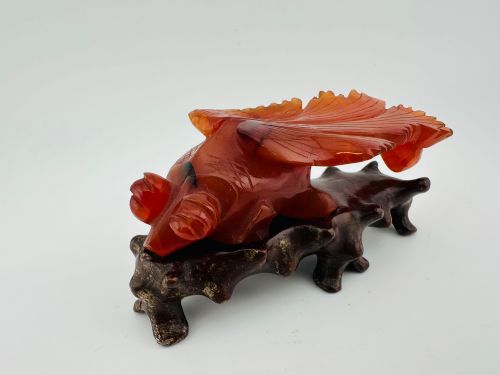
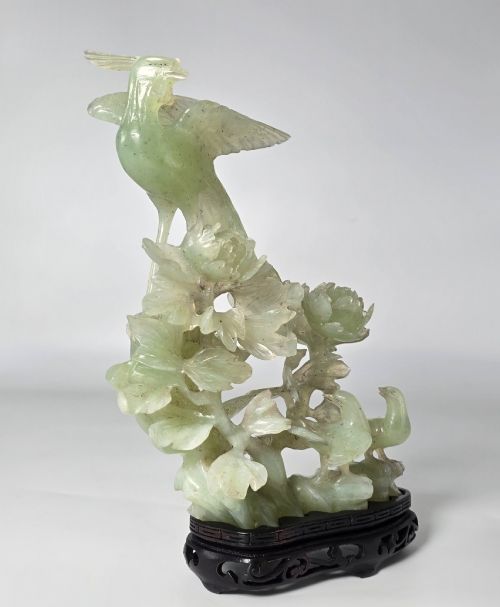
Oriental hardstone carving encompasses sculpted figures, vessels and screens shaped from jade, agate, soapstone and serpentine.
Oriental Hardstone Carving
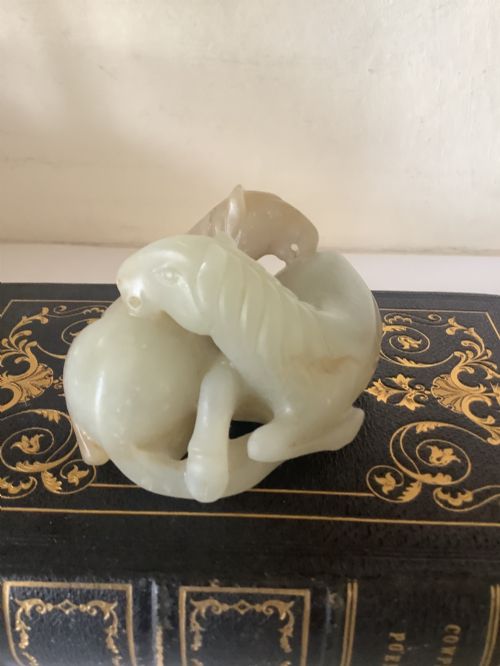
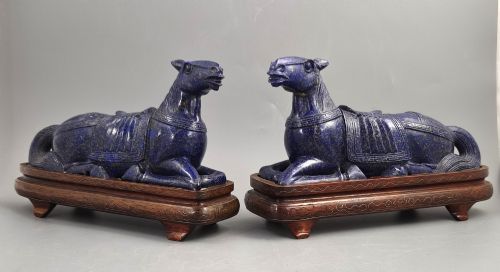
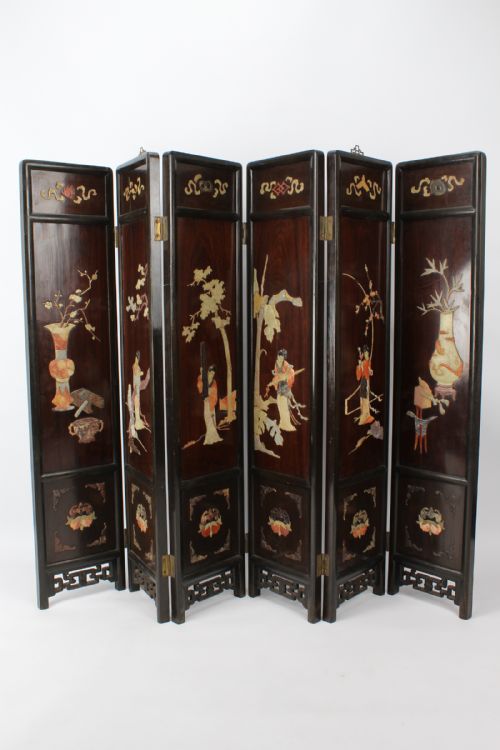
Oriental hardstone carving includes a diverse range of objects such as snuff bottles, desk seals, bird and animal sculptures, ceremonial vessels and large folding screens. These pieces span from the 18th century through to the Edwardian period, 1930 and the mid-century, reflecting traditional Chinese and Chinoiserie aesthetics.
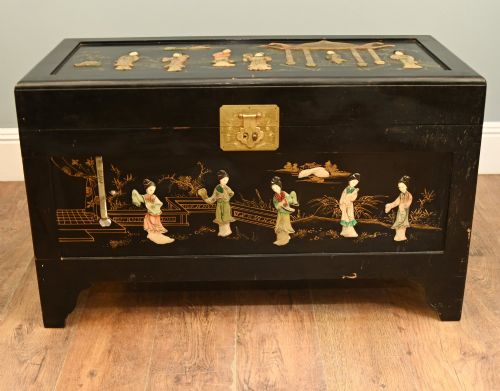
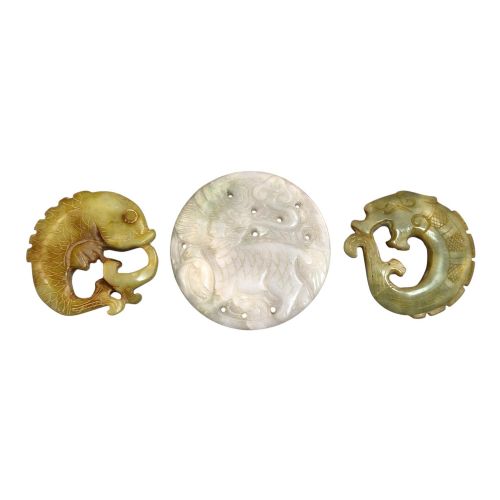
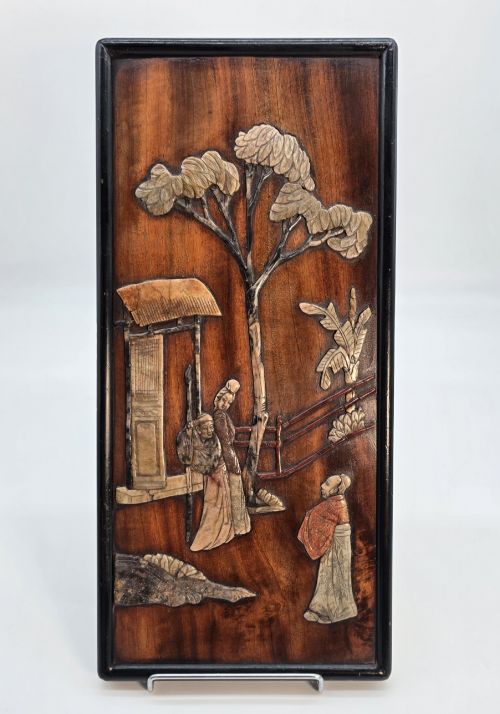
Buyers will most frequently encounter smaller decorative items like jade and agate figures, miniature fish sculptures, amulets and stone-mounted lacquer screens. Larger works such as monumental camel and rider groups, tripod censers and multi-panel folding screens also appear among these selections.
The objects originate primarily from Chinese workshops across the Qing Dynasty, Late Qing, and Republic periods, alongside Japanese decorated lacquer and painted items. They serve as both ornamental furnishings and intricate tabletop pieces utilising organic materials.
How they were made
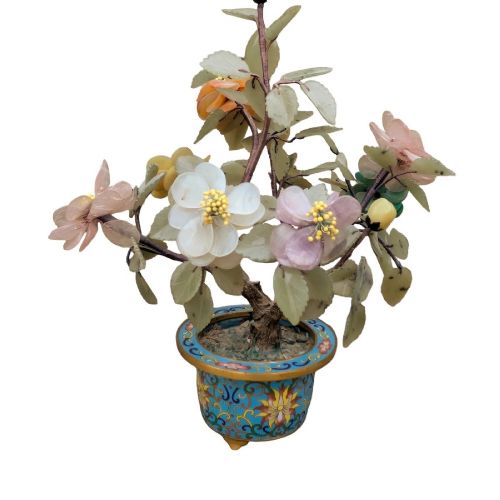
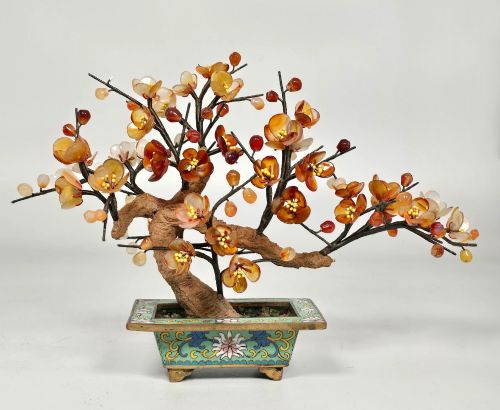
Artisans carved these objects from dense minerals including jade, jadeite, bowenite serpentine, agate and soapstone, often combining them with hardwood, brass, gilt metal and cloisonné. Lacquer and painted surfaces frequently form the backdrops or frames for hardstone-mounted panels and bonsai trees.
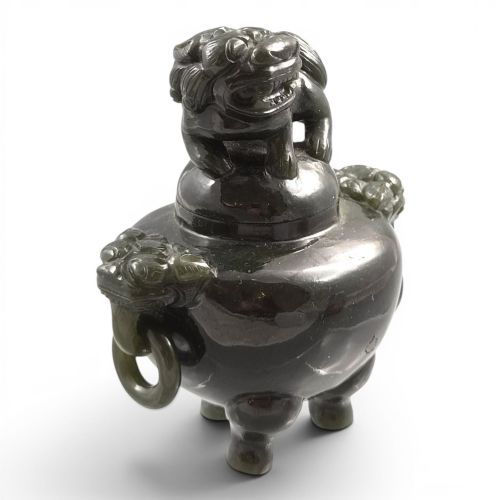
Techniques relied on meticulous hand-carving and polishing to define complex subjects like dragons, foo dogs, sages, horses and floral bonsai arrangements. Inlaid elements and raised relief details were applied to furniture and screens to create layered textures.
Oriental Hardstone Carving Retail Price Guide 2026
Typical asking prices for oriental hardstone carving among the pieces listed under this phrase on Sellingantiques today, from the lower quarter to the upper quarter. They describe what is for sale here now, not the wider market.
Several stone camels carry riders across these listings, proving that even mineral beasts need a lift now and then.
What varies in quality
Quality rests in the precision of the carving and the natural characteristics of the stone itself, distinguishing smoothly articulated figures from simpler formations. Subtleties in colour graduation, such as two-coloured jade or deep green tones, elevate the visual impact of a vessel or sculpture.
The integration of secondary materials like cloisonné jardinières, gilt metal stoppers and mother of pearl inlay indicates the maker's level of ambition. Finer pieces demonstrate a harmony between the mineral's grain and the chosen subject, whether a tiny snuff bottle or a monumental group.
The Oriental Hardstone Carving Glossary
- Hardstone
- A semi-precious stone used for carving decorative objects, including jade, agate, soapstone and serpentine. These minerals demand specialised abrasive techniques to shape.
- Qing Dynasty
- The final imperial dynasty of China, lasting from the mid-17th century until the early 20th century. Many traditional carved vessels and figures date from its later decades.
- Bi Disc
- A flat circular jade or stone artefact with a circular hole in the centre. Ancient Chinese examples were associated with ritual and status.
- Snuff Bottle
- A small container utilised to hold powdered tobacco, typically fitted with a matched stopper. Artisans carved them from agate and jade with hollow interiors.
- Chinoiserie
- European artistic styles reflecting Chinese motifs and techniques, seen here in lacquered screens and tables. It gained popularity across various revival periods.
- Censer
- A vessel intended for burning incense, often cast in bronze or carved from stone on tripod supports. They frequently feature mythical creatures like foo dogs.
Oriental Hardstone Carving: Frequently Asked Questions
What is an oriental hardstone carving?
It is an object sculpted from a semi-precious mineral such as jade, agate or soapstone by eastern artisans.
These pieces range from tiny snuff bottles and amulets to larger figures, vessels and folding screens.
How were hardstone snuff bottles used?
They were carried by Qing dynasty individuals to store powdered tobacco for social or medicinal consumption.
The small stoppers often doubled as tiny spoons for dispensing the contents.
How do I identify a Qing Dynasty piece?
Look for traditional motifs such as dragons, foo dogs and sages carved into jade, serpentine or hardstone.
Dating relies on stylistic markers from the 18th century through to the late Qing and Republic periods.
Where were hardstone bonsai trees displayed?
They stood as permanent decorative ornaments on tables and within reception rooms.
The hardstone blossoms and leaves were typically mounted in cloisonné or ceramic jardinières.
What is a Chinese desk seal?
A carved stone stamp utilised for marking documents or artwork with an individual's personal signature.
They frequently feature sculpted figures like dogs of fo seated atop the main block.