





Oriental Stone Figure
An oriental stone figure brings carved ritual and figurative weight into a room, spanning soapstone deities, jade animals and temple Buddhas.
Oriental Stone Figure
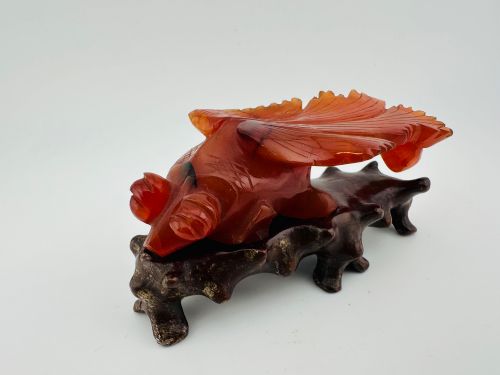
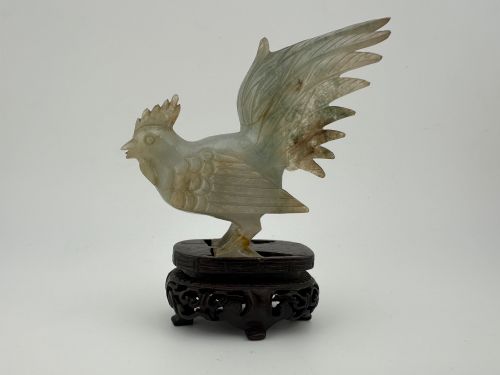
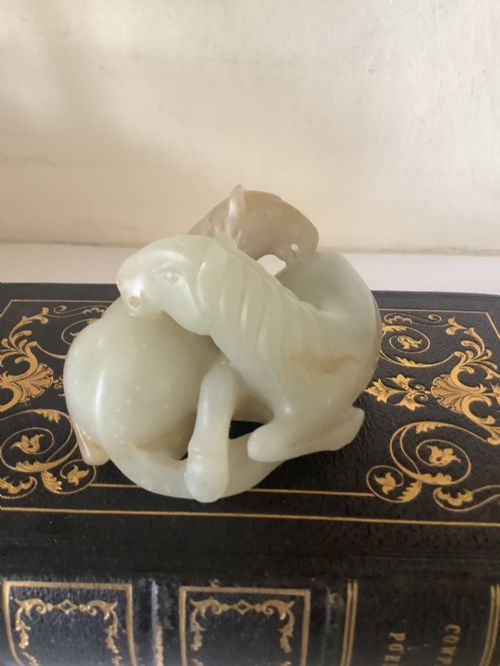
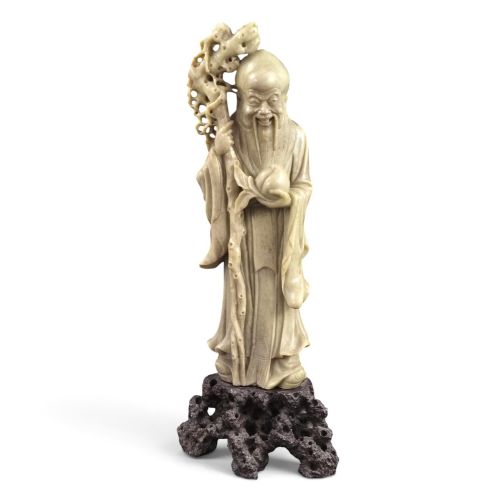
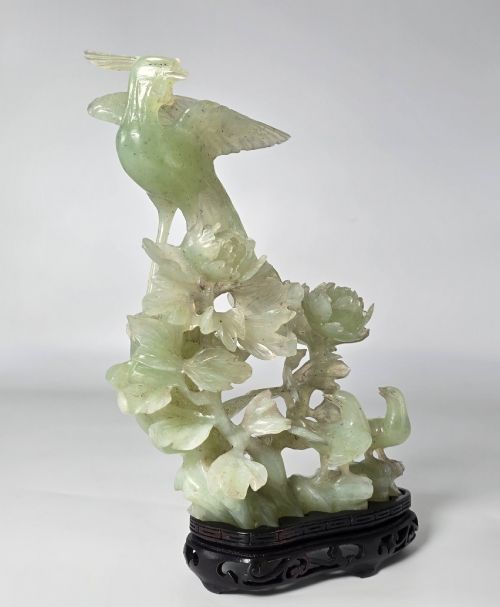
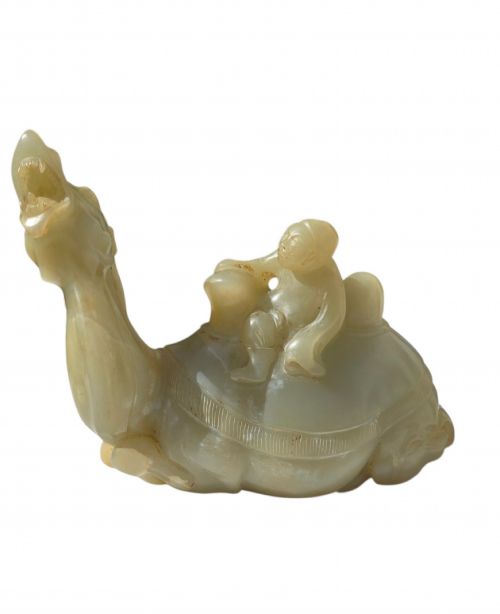
When you search for an oriental stone figure, you encounter carved deities, scholars, animals and temple guardians originating primarily from China and South East Asia. The selection ranges from nineteenth century soapstone immortals and soapstone sages to jadeite groups, serpentine camels and marble Buddhas.
You are most likely to meet nineteenth century soapstone carvings on this page, alongside hardstone animal sculptures and temple figures. These pieces encompass seated Buddhas, Foo dogs, birds, dragons and scholars rendered in diverse regional materials.
Materials and carving techniques
Carvers shaped these sculptures from soapstone, hardstone, jade, nephrite, bowenite, serpentine and marble. Softer stones like soapstone and Shoushan stone allowed for detailed undercut carving of figures, robes and botanical elements.
Harder materials such as jadeite and nephrite required abrasive cutting and polishing to reveal natural translucency and colour variation. Certain sculptures incorporate carved hardwood bases or gold leaf surface treatments.
Oriental Stone Figure Retail Price Guide 2026
Typical asking prices for oriental stone figure among the pieces listed under this phrase on Sellingantiques today, from the lower quarter to the upper quarter. They describe what is for sale here now, not the wider market.
Materials represented across the inventory include soapstone, jade, hardstone, marble, serpentine and bowenite.
Distinctions in quality and execution
Quality rests upon the sensitivity of the carving, the exploitation of natural stone variations and the anatomical proportion of the subject. Finer pieces display crisp detail in facial expressions, hands and drapery, whilst simpler items rely entirely on the natural grain of the material.
The choice of medium also dictates the tier of the piece, with translucent jade and bowenite generally commanding greater lapidary skill than softer soapstone. Monumental scale and complex multi-figure compositions further separate standard decorative items from significant works.
The Oriental Stone Figure Glossary
- Soapstone
- A soft, talc-based metamorphic rock easily carved with hand tools. It permits intricate detail and accepts varied colouration.
- Bowenite
- A hard, compact variety of serpentine resembling jade in appearance and durability. Carvers utilise its tough structure for detailed animal and human groups.
- Shoulao
- The Taoist god of longevity, frequently depicted as an elderly man with an enlarged forehead holding a peach. Sculptors often render him in soapstone or hardstone.
- Foo Dog
- A mythical temple guardian lion symbolising protection and prosperity. These figures frequently appear in pairs or serve as bookends.
- Qing Dynasty
- The final imperial dynasty of China, lasting from sixteen forty-four to nineteen twelve. Many carved hardstone figures date from its later decades.
Oriental Stone Figure: Frequently Asked Questions
How do I clean an antique stone figure?
Dust the surface gently with a soft, dry brush to prevent dirt accumulation in crevices.
Avoid using water, chemical cleaners or oils, particularly on porous stones like soapstone.
Are these figures handmade?
Traditional oriental stone figures are hand-carved using manual lapidary tools and abrasives.
Tool marks and individual variations distinguish these historical carvings from modern factory reproductions.
How can I tell soapstone from jade?
Soapstone feels softer to the touch and can be scratched with harder steel implements.
Jade and bowenite exhibit high density, cold temperature retention and resistance to scratching.
Where were these figures displayed originally?
Smaller carvings like seals, snuff bottles and scholar pieces sat on desk spaces for contemplation.
Larger statues and temple figures stood in ancestral halls, shrines or domestic altars.