



Qing Dynasty Soapstone
Qing dynasty soapstone carvings combine soft mineral texture with intricate carving, offering collectors a tactile piece of historic Chinese artistry.
Qing Dynasty Soapstone
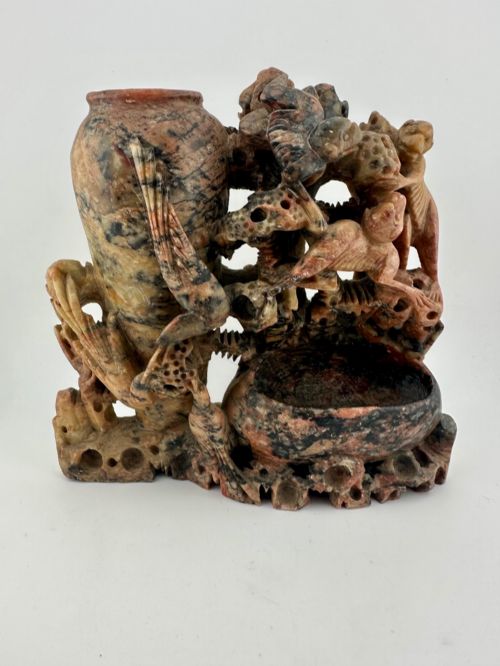
When searching for qing dynasty soapstone, collectors encounter carved sculptures, brush pots, seals, and scholarly figures dating from the nineteenth century. These objects reflect traditional Chinese motifs, including figures of sages, deities, animals, and mythological beasts.
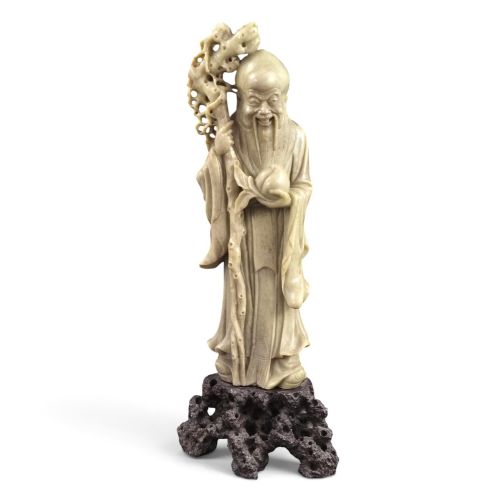
The versions most commonly met on this page include late nineteenth-century figures such as Shoulao and sages, alongside functional scholar's items like brush pots and seals. Materials span soapstone, steatite, and Shoushan stone, often accompanied by fitted hardwood bases.
How they were made
Carvers utilised the naturally soft and variegated nature of soapstone, steatite, and Shoushan stone to model intricate details directly into the material. Artisans took advantage of the stone's colour variations to accentuate elements of drapery, flora, and fauna.
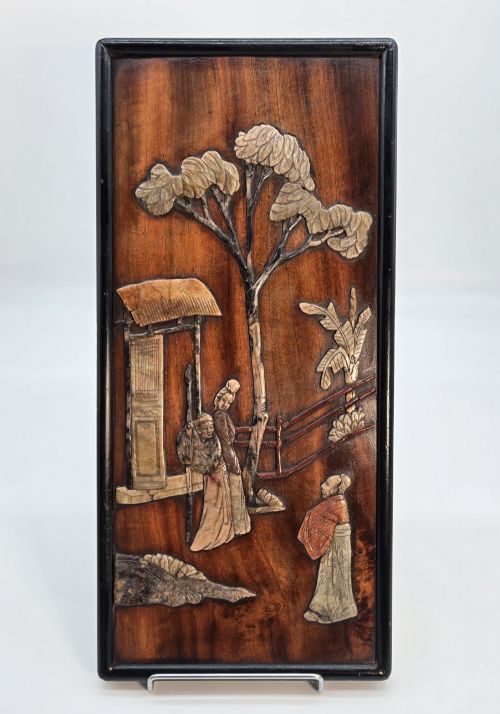
Many sculptural pieces are paired with custom-carved hardwood stands that complement the organic contours of the stone. Additional decorative elements incorporate materials like gilt metal and lacquer to enhance seals, snuff bottles, and framed wall art.
Qing Dynasty Soapstone Retail Price Guide 2026
Typical asking prices for qing dynasty soapstone among the pieces listed under this phrase on Sellingantiques today, from the lower quarter to the upper quarter. They describe what is for sale here now, not the wider market.
Listings feature soapstone, steatite, and Shoushan stone, alongside secondary materials like hardwood, lacquer, and gilt metal.
What varies in quality
The distinction between ordinary and superior pieces rests upon the depth of the carving and the sensitivity with which the artisan responded to the natural grain of the stone. Finer examples display crisp detail in facial expressions, robes, and dragon scales without losing the harmonious balance of the block.
Another factor is the integration of the subject matter with the material itself, where natural inclusions are cleverly turned into folds of cloth or clouds. The quality of any associated hardwood base or secondary material like gilt metal also influences the overall cohesion of the piece.
The Qing Dynasty Soapstone Glossary
- Soapstone
- A metamorphic rock composed largely of talc, prized for its soft texture and ease of carving. It allows artisans to achieve high levels of fine detail.
- Shoushan Stone
- A traditional Chinese soapstone originating from Fujian province, known for its rich colour palette and translucency. Carvers frequently selected it for scholar's objects and seals.
- Steatite
- A dense, compact variety of soapstone often used interchangeably in historical carvings. Its uniform consistency supports intricate surface work.
- Brush Pot
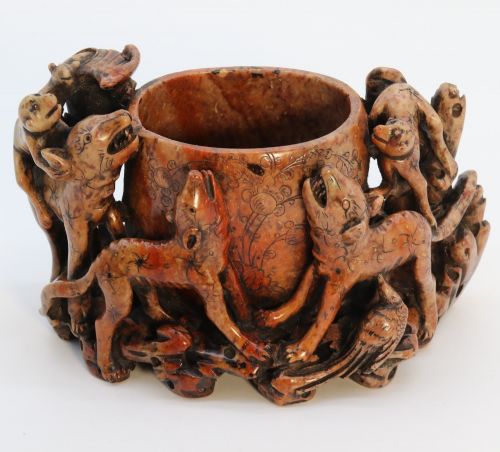
- A cylindrical vessel traditionally kept on a scholar's desk to hold writing brushes. These items are frequently carved from stone or wood with pictorial scenes.
- Shoulao
- The Chinese Taoist god of longevity, commonly depicted as an elderly man with a high forehead and a staff. He is a recurring subject in nineteenth-century carvings.
Qing Dynasty Soapstone: Frequently Asked Questions
What is qing dynasty soapstone?
Qing dynasty soapstone refers to carved mineral objects produced during the Qing period in China, utilising soft stone materials such as steatite and Shoushan stone. These items range from figural sculptures and sages to functional scholar's objects like brush pots and seals.
Collectors value them for their intricate hand-carved details and the natural polychromatic qualities of the stone. They represent a significant tradition of Chinese decorative arts from the nineteenth century.
How were soapstone brush pots used?
Soapstone brush pots served as desktop implements for scholars and literati in traditional China, holding calligraphy brushes upright when not in use. They combined practical utility with aesthetic contemplation on the scholar's desk.
Carved with figurative or natural scenes, these vessels allowed the owner to appreciate both fine craftsmanship and the tactile qualities of the stone during daily study.
How do I identify a Shoushan stone carving?
Shoushan stone carvings are identified by their characteristic smoothness, soft waxy lustre, and natural colour variations that often blend yellows, reds, and whites. This specific type of soapstone originates from Fujian province and was widely used for detailed scholarly carvings.
Examining the depth of the carving and the way the artisan used the stone's natural strata helps confirm the material. Many genuine pieces also retain fitted hardwood stands characteristic of the period.
How do I care for antique soapstone?
Antique soapstone requires gentle handling due to the relative softness of the mineral, which is susceptible to scratching and impact. Dusting with a soft, dry cloth is usually sufficient for regular maintenance.
Keep these pieces away from direct sunlight and extreme humidity fluctuations to preserve the stability of the stone and any accompanying wooden elements. Avoid chemical cleaners entirely.