

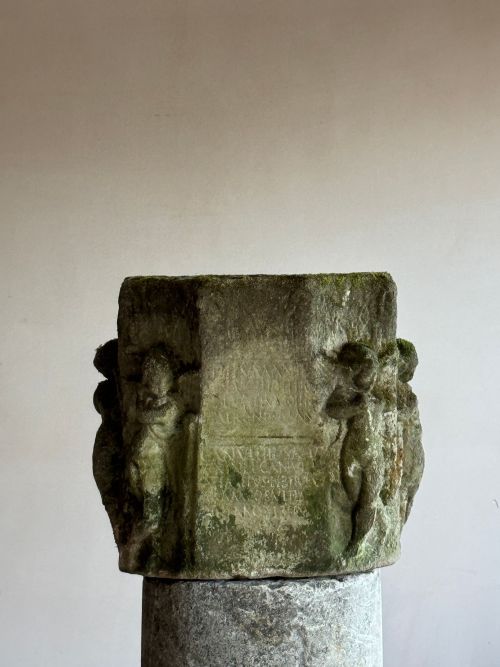

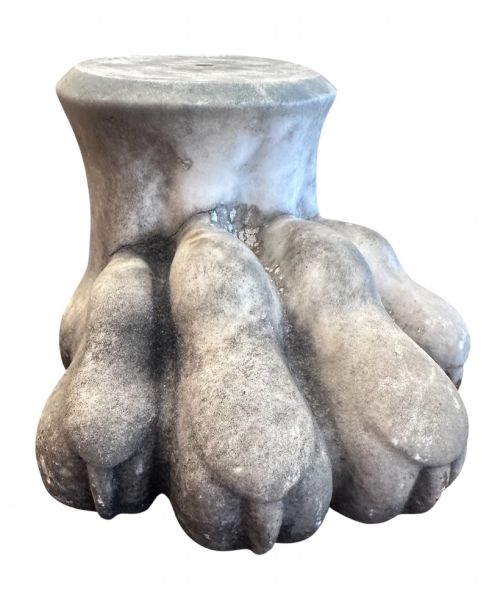

Carved Grey Stone Sculpture
A carved grey stone sculpture brings weight and centuries of handler touch directly into a room, shaped from durable mineral by anonymous masons.
Carved Grey Stone Sculpture
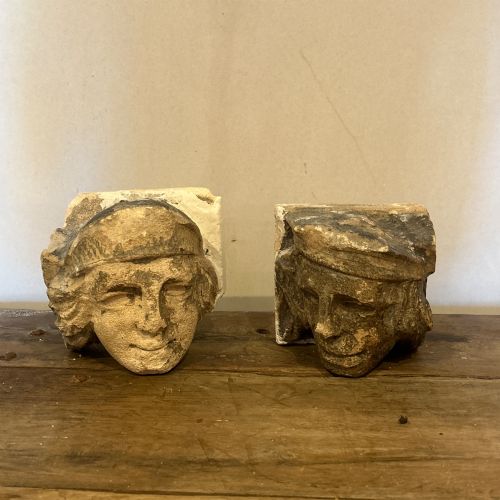
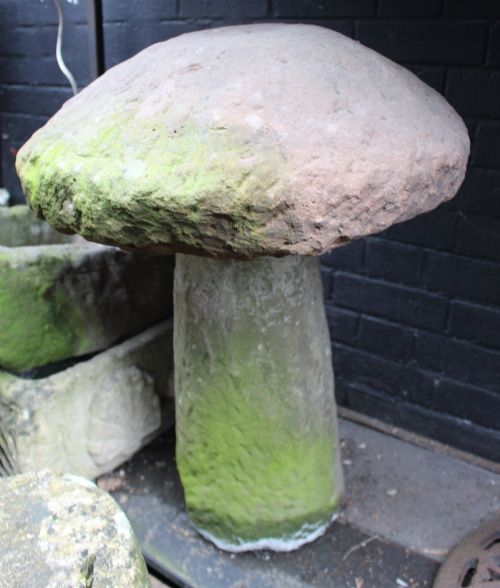
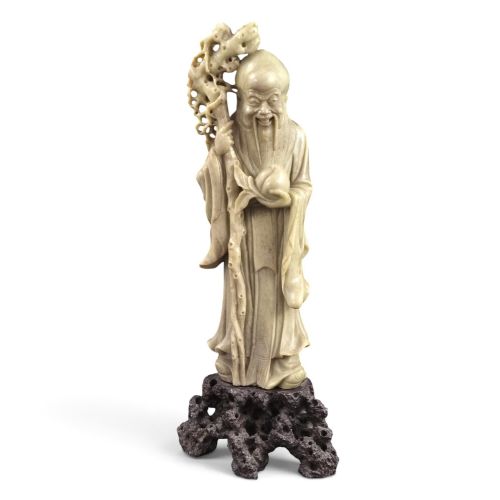
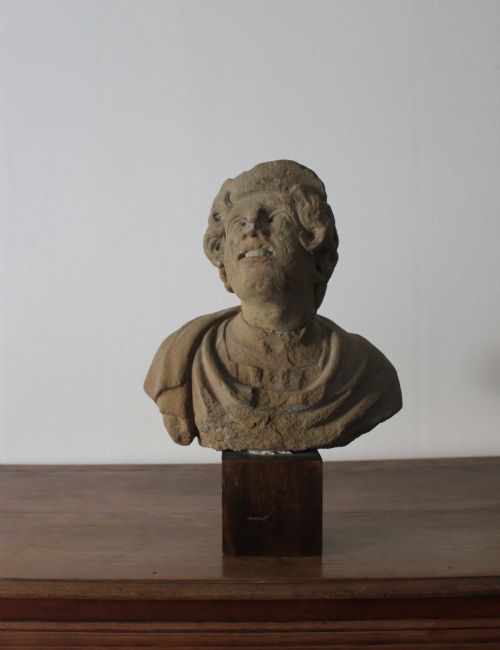
A carved grey stone sculpture encompasses architectural fragments, garden ornaments, and figurative statues originating from periods spanning the medieval era to the twentieth century. When searching for a carved grey stone sculpture, a buyer encounters everything from weathered corbels and staddle stones to classical busts and East Asian deities.
The material ranges from dense limestone and sandstone to soapstone and reconstituted aggregate, each bearing the tool marks of its maker. Many pieces emerge from architectural salvage or grand tour collections, carrying the distinct patina of age and exposure.
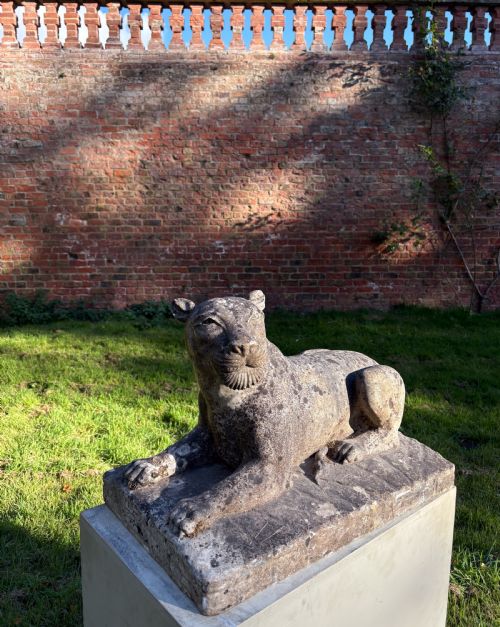
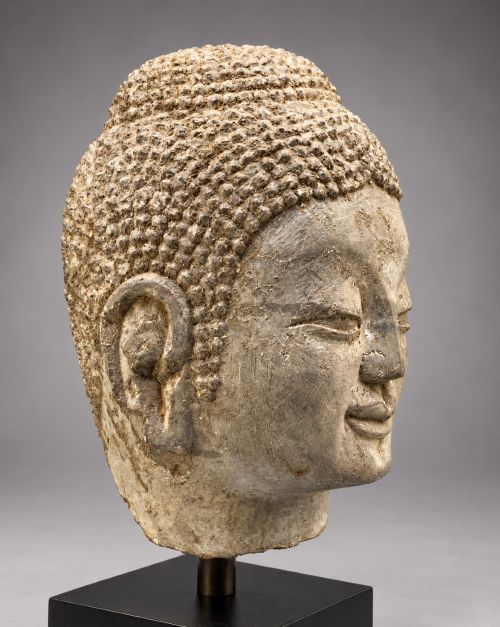
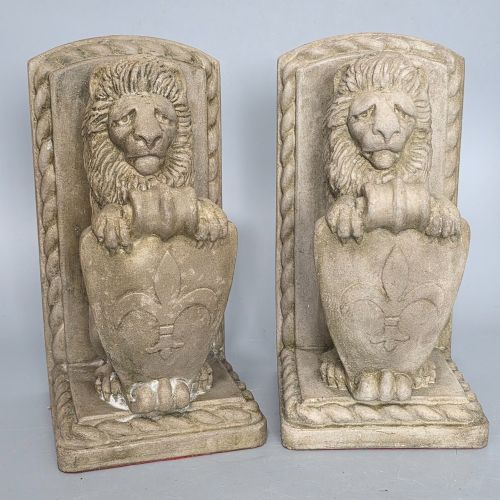
Form varies widely between functional garden supports and devotional objects, including recumbent lions, cherubs, and Buddha heads. These items serve equally as focal points in gardens and protected interior displays.
Materials and carving techniques
Masons utilised traditional hand tools such as chisels, gouges, and mallets to shape natural sedimentary and metamorphic rocks like limestone, sandstone, and marble. The hardness of the mineral dictated the depth of the relief and the crispness of the final detail.
Cast and reconstituted stone alternatives emerged later, utilising moulds filled with aggregate mixtures to replicate hand-carved textures more affordably. Surface finishes occasionally incorporated traces of gold leaf or polishes, though natural weathering remains the predominant state.
Carved Grey Stone Sculpture Retail Price Guide 2026
Typical asking prices for carved grey stone sculpture among the pieces listed under this phrase on Sellingantiques today, from the lower quarter to the upper quarter. They describe what is for sale here now, not the wider market.
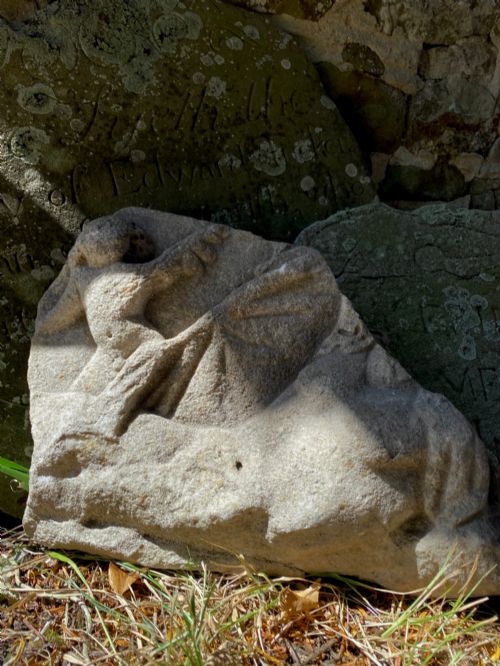
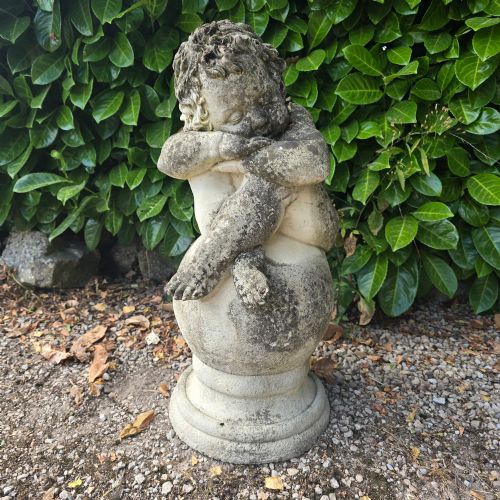
A sleeping cherub rests permanently in stone, undisturbed by centuries of passing weather.
Distinctions in craftsmanship and preservation
Quality rests in the anatomical accuracy of figurative works and the expressive depth of the carving, where master sculptors achieved fluid motion in rigid mineral. Architectural fragments demonstrate superior quality through the crispness of surviving mouldings and the intentionality of the chisel work.
Condition and original context heavily influence the standing of a piece, distinguishing direct architectural salvage from later garden ornaments. Natural weathering enhances certain surfaces while masking poorly executed restorations on lesser items.
Gugielmo Pugi
The Carved Grey Stone Sculpture Glossary
- Corbel
- A projecting stone block supporting a weight, often carved with grotesque or figurative imagery in medieval architecture.
- Staddle stone
- A mushroom-shaped support historically used to elevate granaries above damp ground and deter vermin.
- Grand tour
- A cultural journey undertaken by wealthy young Europeans in the eighteenth and nineteenth centuries, collecting classical sculpture and antiquities.
- Soapstone
- A relatively soft, talc-rich metamorphic rock favoured by Asian carvers for intricate figural groups and smooth surface details.
Carved Grey Stone Sculpture: Frequently Asked Questions
How do I date a stone sculpture?
Dating relies on tool marks, style, and the known provenance of the material, comparing architectural profiles against established historical periods. Older medieval and Renaissance pieces display irregular hand-chiseled surfaces absent in later cast substitutes.
Surface weathering and mineral composition provide further clues, though expert examination of the carving technique remains definitive for ancient and pre-modern works.
Can these sculptures stay outdoors?
Harder sandstones, limestones, and cast stone varieties withstand external elements well, developing a rich organic patina of moss and lichen over decades. Softer algebaster, soapstone, and delicate interior marbles require indoor placement to prevent moisture damage and frost cracking.
Sheltered garden placement under a portico or patio extends the lifespan of porous pieces significantly.
What is architectural salvage?
Architectural salvage comprises elements rescued from buildings undergoing demolition or significant alteration, including corbels, capitals, and wall fragments. These items preserve decorative stonework that once formed an integral part of ecclesiastical or domestic structures.
Collectors prize them for their authentic historical context and direct connection to historical building traditions.
How should I clean weathered stone?
Gentle brushing with water removes loose dirt without stripping the historic patina or eroding the soft stone surface beneath. Avoid harsh chemical cleaners and pressure washers, which permanently pit the mineral and destroy delicate tool marks.
Allowing natural weathering to persist generally preserves the integrity and visual character of older sculptures.