






Grey Marble Statue
A grey marble statue brings classical gravitas and tactile permanence into a room, drawing the eye with cool veining and sculptural mass.
Grey Marble Statue
A grey marble statue combines neoclassical form with the heavy, natural veining characteristic of grand tour and 19th century sculpture. These pieces take the shape of mythological figures, lions, historical busts, and allegorical subjects derived from classical antiquity.
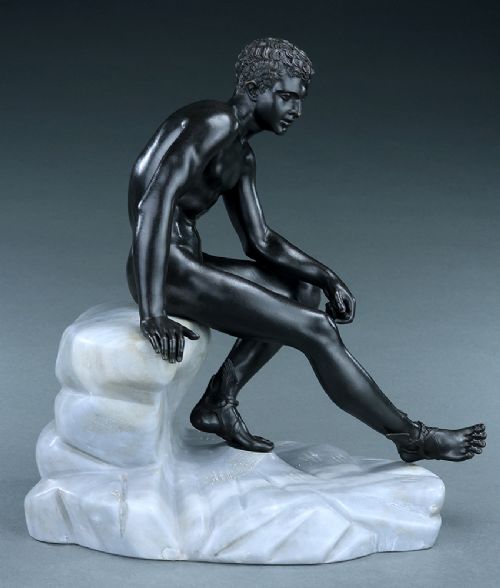
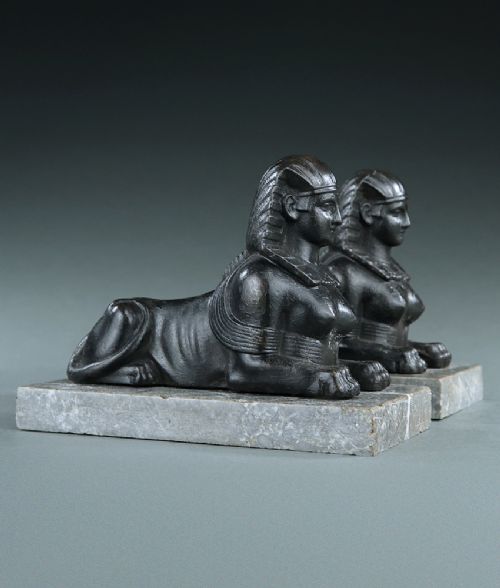
You are most likely to encounter 19th century works on this page, often linked to the Grand Tour tradition or Italian workshops. They range from cabinet bronzes featuring marble plinths to monumental garden carvings and carved busts.
The materials span pure grey marble alongside mixed media compositions where carved stone meets patinated metal or cast iron. Each grey marble statue reflects the enduring European fascination with ancient Greek and Roman models.
How they were made
Carvers shaped a grey marble statue using chisels, rasps, and abrasive sands to bring out the subtle layers and dense grain of the stone. Artisans frequently combined grey marble with cast bronze or patinated metal elements, anchoring figures to heavy plinths.
Foundries and studios in Italy and across Europe utilised traditional pointing machines to scale down antique sculptures into manageable cabinet or monumental pieces. The surface finish relies on hand polishing rather than glazes, letting the natural mineral inclusions of the marble show.
Grey Marble Statue Retail Price Guide 2026
Typical asking prices for grey marble statue among the pieces listed under this phrase on Sellingantiques today, from the lower quarter to the upper quarter. They describe what is for sale here now, not the wider market.
Listings feature periods spanning from the seventeenth century through to the 1930s Art Deco era.
What varies in quality
The choice of stone also dictates worth, with uniform grey blocks contrasting against dramatic two-tone marble or alabaster featuring striking natural mineral movement. Furthermore, the integration between the marble base and any bronze or metal figures demonstrates the skill of the original workshop.
H. Bal·R Henn·Gugielmo Pugi
The Grey Marble Statue Glossary
- Grand tour
- A cultural journey undertaken by wealthy young Europeans in the 18th and 19th centuries to collect classical art and antiquities. Souvenirs from these travels heavily influenced later European sculpture.
- Neoclassical
- An artistic movement drawing inspiration from the art and culture of classical antiquity. It prioritises restraint, heroic proportions, and mythological subject matter.
- Patinated metal
- Metal treated with chemicals or heat to produce a coloured surface finish. It often accompanies grey marble in mixed media sculptural groups.
- Spelter
- A zinc alloy frequently used as a cheaper substitute for bronze in decorative figures. It is softer than bronze and typically carries a painted or bronze-look finish.
- Alabaster
- A fine-grained mineral softer than marble, often carved into translucent statues. It accepts intricate detail and offers a warm, waxy glow.
Grey Marble Statue: Frequently Asked Questions
How do I clean a grey marble statue?
Dust the surface regularly with a soft, dry microfibre cloth to prevent dirt from settling into the porous grain of the stone. Avoid chemical cleaners, acidic household liquids, or excessive water, which can stain or etch the polished marble.
For stubborn marks, consult a professional conservator rather than attempting DIY solvent treatments. Safe maintenance preserves the historic patina and protects the integrity of the carved details.
How can I tell the age of a grey marble statue?
Examine the tool marks, weathering patterns, and the style of the mounting hardware where the figure meets the base. 19th century Grand Tour pieces often display specific foundry stamps, hand-cut screws, or patination consistent with Italian studio work of that era.
Compare the anatomical proportions and subject matter against known classical prototypes. Stylistic nuances in the carving technique help distinguish Victorian revival items from earlier seventeenth century carvings or modern reproductions.
Are these statues made of solid marble?
Many sculptures feature solid carved grey marble or alabaster, while other pieces combine marble bases with bronze, cast iron, or spelter figures. Listings specify the exact material makeup, differentiating pure stone carvings from mixed media compositions.
Checking the underside or weight of the object helps confirm construction methods. Solid stone pieces are exceptionally heavy, whereas mixed media sculptures reveal distinct joining points between the metal figure and the marble plinth.