




White Marble Lion
White marble lion carvings range from monumental garden statuary to small desk ornaments, capturing classical majesty for the home.
White Marble Lion
When you search for white marble lion, you encounter sculptures, garden statuary, and decorative inkstands spanning multiple centuries. The selection includes grand architectural figures alongside smaller Italian carved pieces.
You are most likely to meet nineteenth century Italian works and French nineteenth century designs on this page. These vary from single recumbent figures to pairs modelled after classical antiquities.
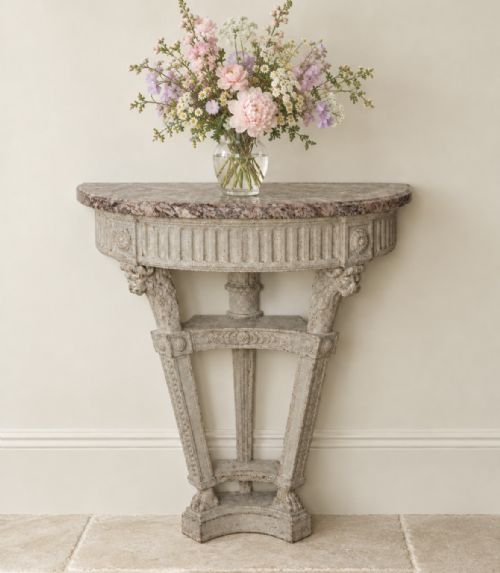
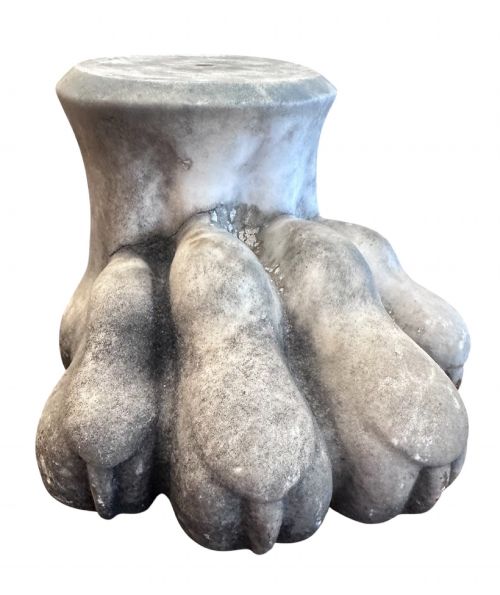
Forms extend beyond standalone sculptures to incorporate functional pieces such as inkstands and console tables supported by carved feline paws. Each object reflects the enduring appeal of the lion motif in European interiors.
How they were made
Carvers shaped these figures from solid blocks of white marble, Carrara marble, and alabaster using traditional chisel and mallet techniques. Details such as manes and facial expressions relied entirely on hand carving by skilled sculptors.
Certain pieces integrate complementary materials, combining carved stone with gilt bronze mounts or gilt wood bases. Inlaid specimen marble occasionally appears on tabletops associated with these sculptural forms.
White Marble Lion Retail Price Guide 2026
Typical asking prices for white marble lion among the pieces listed under this phrase on Sellingantiques today, from the lower quarter to the upper quarter. They describe what is for sale here now, not the wider market.
The listings feature marble, alabaster, gesso, stone, and gilt bronze across forms spanning the seventeenth to twentieth centuries.
What varies in quality
The anatomical precision of the carving distinguishes superior examples from simpler production pieces. Master carvers captured tension in the muscles and naturalistic texture in the fur rather than relying on generic symmetry.
The purity and consistency of the stone itself influence the character of each piece. Finer white and Carrara marbles show subtle translucency and minimal grey veining that distracts from the sculptural form.
Antonio Canova
The White Marble Lion Glossary
- Carrara Marble
- A type of white or blue-grey marble quarried in the city of Carrara in Tuscany, widely used for classical sculpture. It is prized for its fine, uniform grain.
- Grand Tour
- A traditional trip of Europe undertaken by upper-class European young men of sufficient means in the seventeenth to nineteenth centuries. Souvenirs from this journey frequently included carved marble sculptures.
- Neoclassical
- A Western cultural movement in the decorative arts beginning in the mid-eighteenth century. It drew inspiration from the art and culture of classical antiquity.
- Alabaster
- A fine-grained, translucent stone often used for ornamental carvings and sculptures. It offers a softer texture than marble and allows light to pass slightly beneath the surface.
- Gilt Bronze
- Bronze that has been coated with a thin layer of gold or gold amalgam. This technique adds metallic contrast to stone and marble objects.
White Marble Lion: Frequently Asked Questions
How do I clean a marble lion sculpture?
Dust the surface regularly with a soft, dry cloth to prevent dirt accumulation.
Avoid acidic cleaning products, water, and harsh detergents, which can etch or stain the stone.
Are these marble lions suitable for outdoor gardens?
Certain larger garden statuary pieces are designed to withstand external environments.
Softer materials like alabaster and interior decorative items must remain indoors to prevent weather damage.
How can I tell nineteenth century pieces apart from later copies?
Examine the tool marks and the natural wear patterns across the carved surface.
Older sculptures display hand-chiselled details and an aged patina that modern machine replication cannot duplicate.
What is the difference between marble and alabaster?
Marble is a hard metamorphic rock formed from recrystallised carbonate minerals.
Alabaster is significantly softer, more translucent, and easier to carve into intricate decorative objects.