





Carved Stone Lions
Carved stone lions bring strength and presence to any room or garden, spanning centuries of global sculpture from grand garden statuary to small desk seals.
Carved Stone Lions
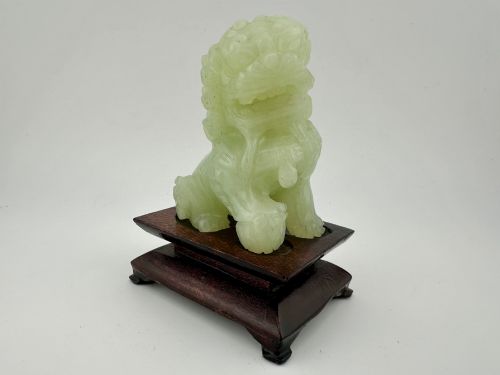
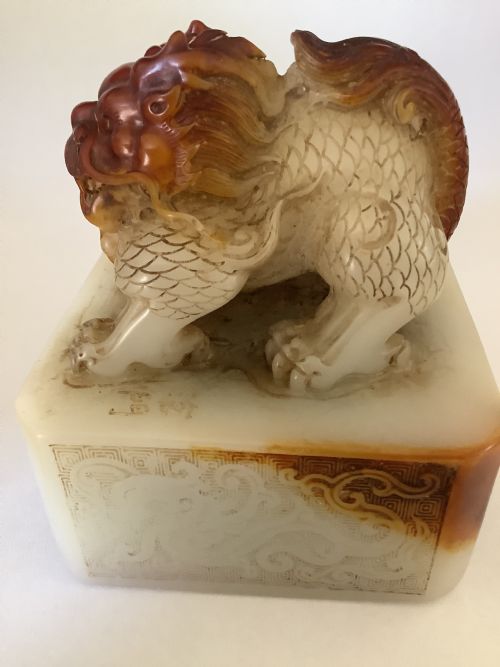
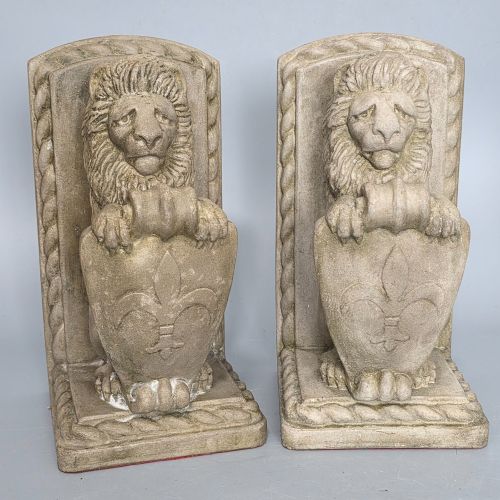
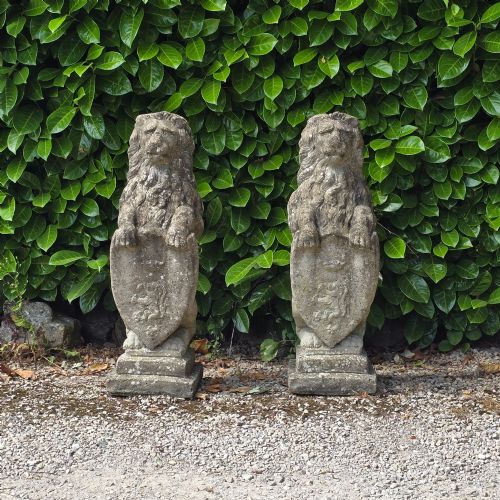
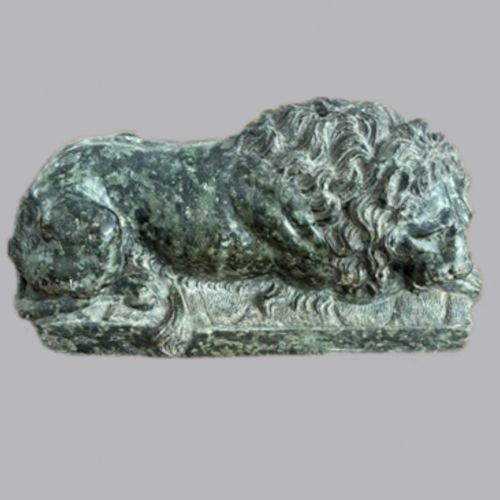
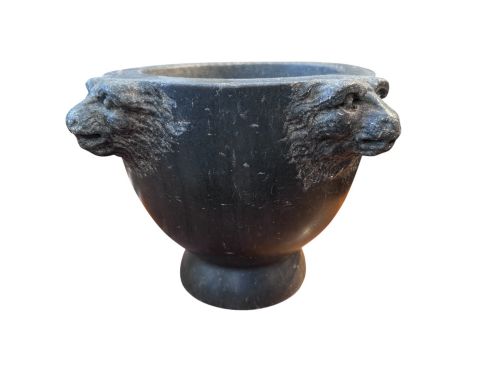
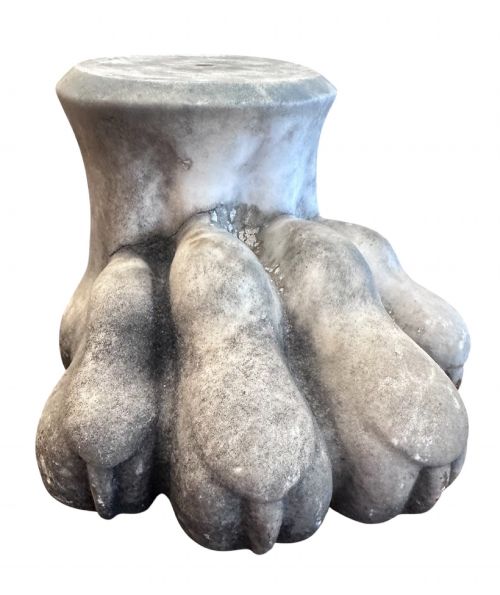
Carved stone lions encompass a diverse array of forms, ranging from monumental garden statues and architectural elements to intimate desk seals and bookends. When exploring carved stone lions, buyers encounter everything from massive Italian marble guardian figures to modest soapstone and jade carvings.
The materials and origins stretch across multiple periods and traditions, including 19th century European neoclassical works and traditional Chinese temple guards or foo dogs. These pieces serve as both decorative accents and commanding focal points in domestic and outdoor settings.
How they were made
Artisans shaped these sculptures using hand chisels and abrasive friction on various stone mediums, including Carrara marble, serpentine, basalt, and alabaster. For garden ornaments, workshops utilised cast stone and reconstituted stone poured into moulds to capture intricate details.
In smaller decorative objects like desk seals and bookends, carvers worked with softer minerals such as soapstone and jade. The surface finishes range from highly polished serpentine and marble to weathered, painted, or patinated exterior stone.
Carved Stone Lions Retail Price Guide 2026
Typical asking prices for carved stone lions among the pieces listed under this phrase on Sellingantiques today, from the lower quarter to the upper quarter. They describe what is for sale here now, not the wider market.
Listings feature items spanning from the 17th century to the mid-20th century, encompassing marble, soapstone, jade, and cast stone.
What varies in quality
The choice of material heavily influences the piece, with solid marbles, fine-grained alabaster, and high-grade jade commanding greater artistic interest than standard cast or reconstituted alternatives. The historical integrity and preservation of the surface finish further elevate the stature of an individual sculpture.
The Carved Stone Lions Glossary
- Foo Dog
- A traditional guardian lion figure originating from Chinese art, often depicted protecting sacred spaces. These stylised beasts frequently appear in pairs on desk seals and bookends.
- Grand Tour
- A cultural journey undertaken by wealthy Europeans in the 18th and 19th centuries to collect classical antiquities and souvenirs like miniature marble lions. These cabinet-sized sculptures emulate famous monuments.
- Neoclassical
- An artistic movement drawing inspiration from the classical art and culture of ancient Greece and Rome. Sculptures from this period emphasise restraint, symmetry, and classical anatomical accuracy.
- Reconstituted Stone
- A composite material made from crushed stone and a binder, cast in moulds to replicate natural carved masonry. It offers durability for exterior garden statuary.
- Serpentine
- A group of green silicate minerals often polished to resemble jade, frequently utilised in 19th century decorative carvings and desk items.
Carved Stone Lions: Frequently Asked Questions
Where should I place a stone lion?
Large garden statuary and seated figures suit exterior settings like entranceways, patios, or garden plinths where weather-resistant materials endure the elements.
Smaller items like alabaster sculptures, bookends, and desk seals fit comfortably on interior console tables, desks, or bookshelves.
Are Chinese stone lions different from European ones?
Chinese pieces often represent guardian lions, shi shi, or foo dogs with stylised curls in the mane and fierce yet decorative facial expressions. They frequently appear in jade, soapstone, or traditional stone carvings.
European interpretations lean towards classical realism, emulating neoclassical or Grand Tour aesthetics with an emphasis on naturalistic lion anatomy.
How do I care for indoor stone sculptures?
Dust marble, alabaster, and soapstone regularly with a soft, dry cloth to prevent the accumulation of dirt in carved crevices and recesses. Avoid using harsh chemical cleaners or excess water.
Keep delicate stones away from direct heat sources and strong sunlight to preserve the natural polish and finish of the material.