



Carved Marble Animal
These carved marble animal pieces bring heavy stone figures into domestic spaces, prized for their solid weight and carved detail.
Carved Marble Animal
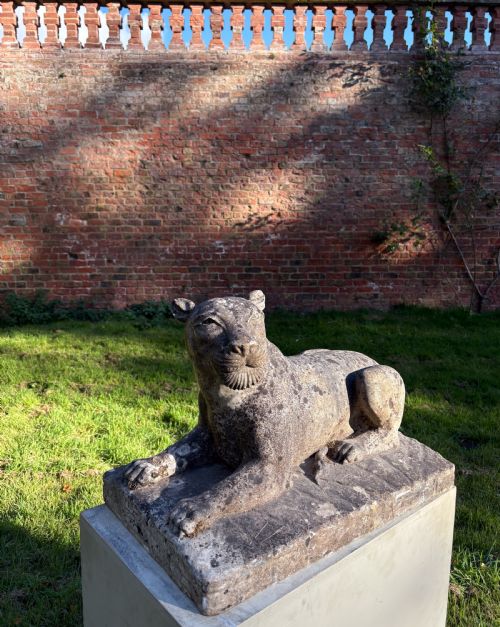
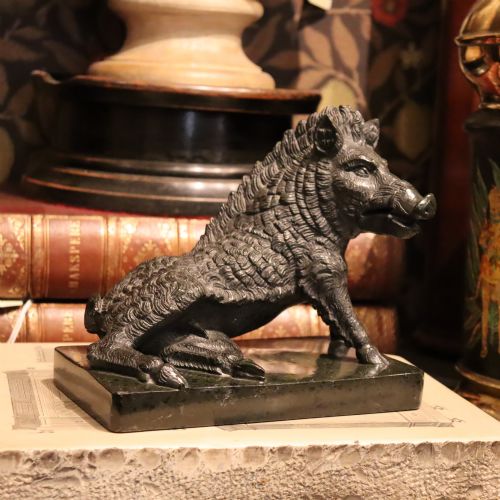
When you search for carved marble animal, you are looking at solid stone figures and functional objects shaped into the forms of lions, hounds, boars, and eagles. These pieces span the nineteenth century through the art deco period, taking the shape of free-standing sculptures, bookends, and lamp bases.
You are most likely to meet nineteenth-century Italian green serpentine or carrara marble models alongside French art deco examples. They range from grand tour souvenirs of classical subjects to domestic bookends and pet memorials.
Materials and carving techniques
Makers shaped these animal figures using solid blocks of carrara marble, green serpentine marble, and alabaster. The stone was hand-carved and polished to render the musculature of lions, dogs, and horses, occasionally paired with brass or wood elements.
Sculptors utilised traditional chisel and rasp techniques to define the forms, frequently drawing on classical antiquity or animalier traditions. Bases were often shaped and polished separately to mount the heavy stone subjects securely.
Carved Marble Animal Retail Price Guide 2026
Typical asking prices for carved marble animal among the pieces listed under this phrase on Sellingantiques today, from the lower quarter to the upper quarter. They describe what is for sale here now, not the wider market.
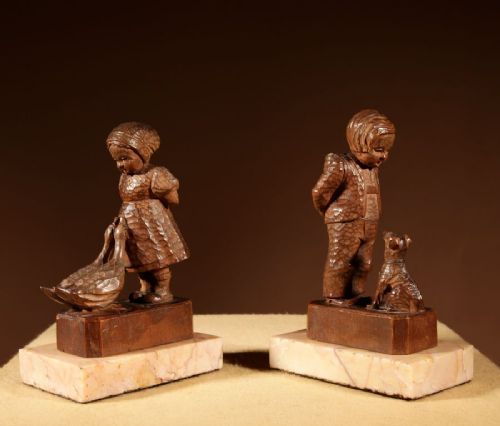
Listings feature marble alongside wood, brass, fabric, and glass elements across pieces dated from the mid-nineteenth century to 1930.
Quality variations in stone sculpture
The distinction between ordinary and superior pieces rests on the natural figuring of the stone and the anatomical precision of the carving. Finer sculptures show subtle handling of muscle and expression, whereas simpler versions rely on basic blocked-out forms.
Quality also appears in the finish of the marble surface, where careful hand-polishing brings out the depth of the grain. Lesser examples show coarse tool marks or lack the crisp definition seen in grand tour and art deco works.
Eugene Emile Borga·Joseph Gott·Andrey
The Carved Marble Animal Glossary
- Grand Tour
- A cultural journey undertaken by nineteenth-century travellers who acquired classical sculptures and architectural models in Italy.
- Animalier
- A nineteenth-century artistic style focused on the realistic depiction of animals, particularly in sculpture.
- Serpentine marble
- A dark green, mottled stone resembling serpent skin, commonly utilised for nineteenth-century decorative carvings.
- Carrara marble
- A white or blue-grey stone quarried in Tuscany, favoured for classical statues and architectural details.
Carved Marble Animal: Frequently Asked Questions
What animals appear most often?
Lions, hounds, eagles, and horses form the majority of the subjects represented in these stone carvings. They appear as single figures, pairs, or integrated into bookends and table bases.
Artists frequently turned to classical motifs, reproducing famous ancient models or depicting domestic and wild creatures with naturalistic proportions.
Where were these pieces made?
Many of the stone carvings originate from Italian workshops catering to travellers on the grand tour, particularly in centres like Florence. Others stem from French and European studios working during the art deco period.
Workshop production ranged from specialised Italian stone-carvers to European foundries and studios mounting metal subjects onto marble bases.
How heavy are these sculptures?
Solid marble and alabaster construction makes these pieces exceptionally heavy for their size. Collectors need to ensure supporting furniture has adequate load-bearing capacity.
The substantial weight comes from the dense stone blocks utilised to carve the animals, often augmented by thick marble bases.
How should I clean marble?
Dusting with a dry, soft cloth is sufficient for routine maintenance of carved stone surfaces. Avoid harsh chemical cleaners that can etch or dull the polished marble grain.
Moisture should be kept away from unsealed alabaster or mixed-material pieces to prevent staining or damage to the underlying structure.