

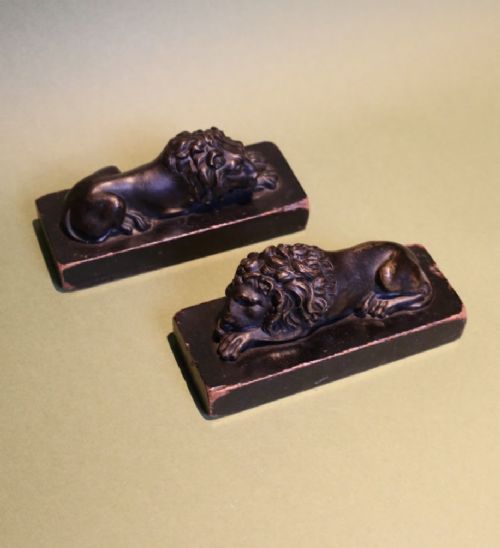


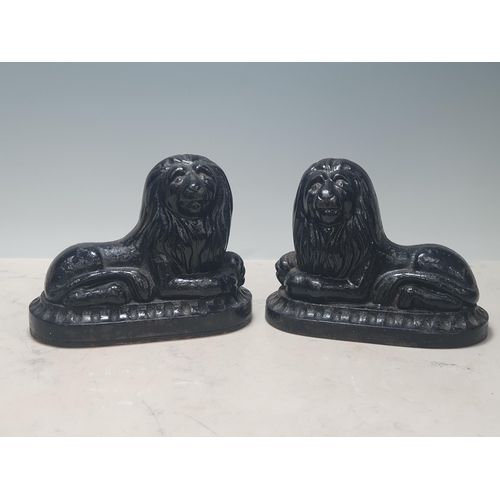


Recumbent Lion Sculpture
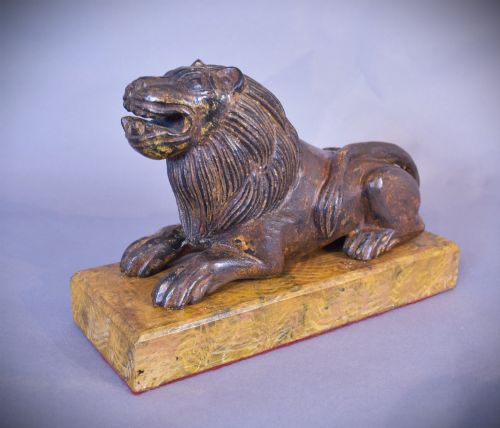
A recumbent lion sculpture brings monumental repose to a room, offering the quiet dignity of classical antiquity cast in bronze, terracotta or stone.
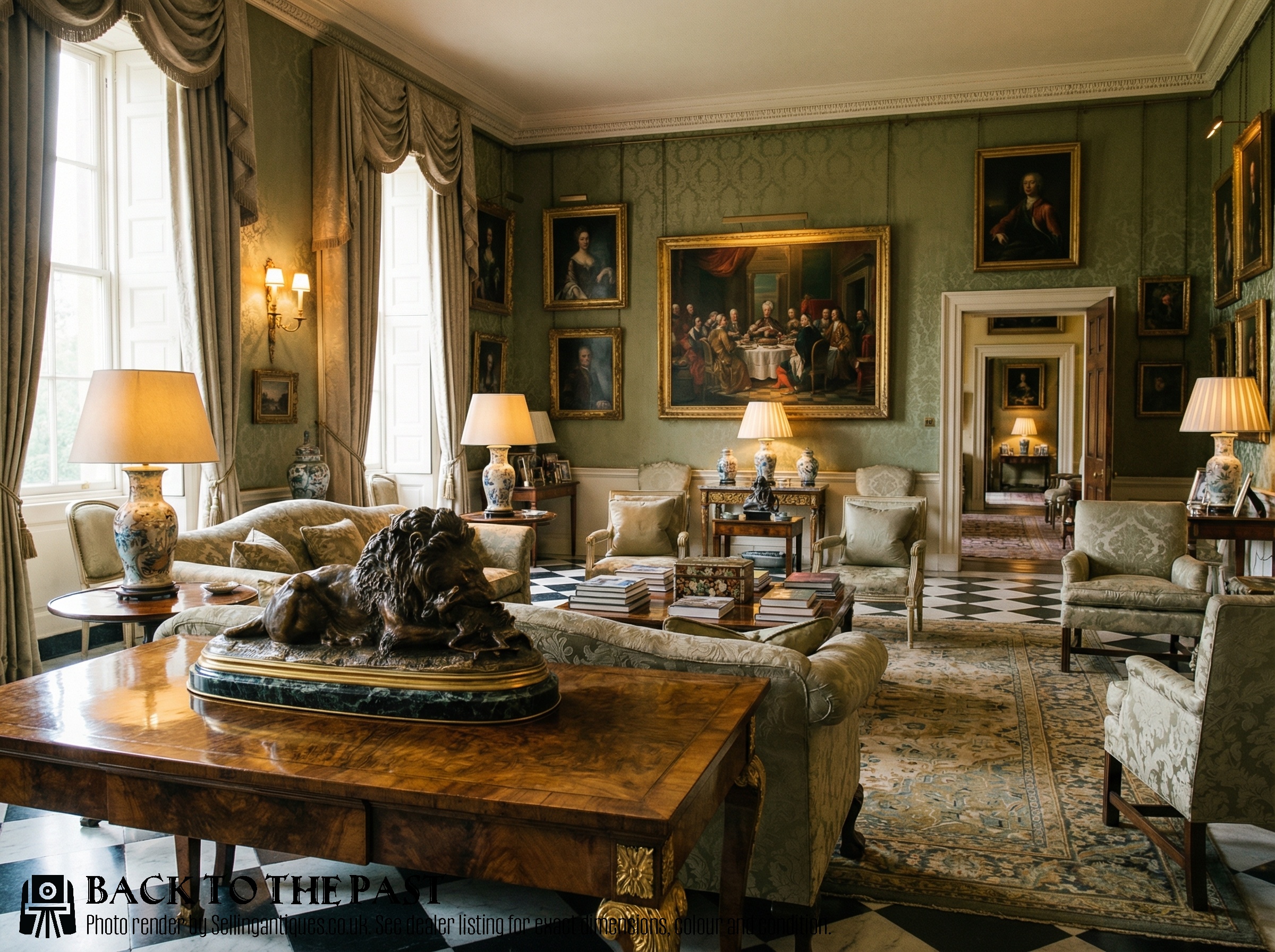
Recumbent Lion Sculpture
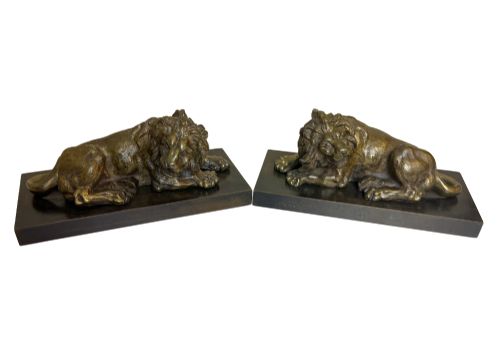
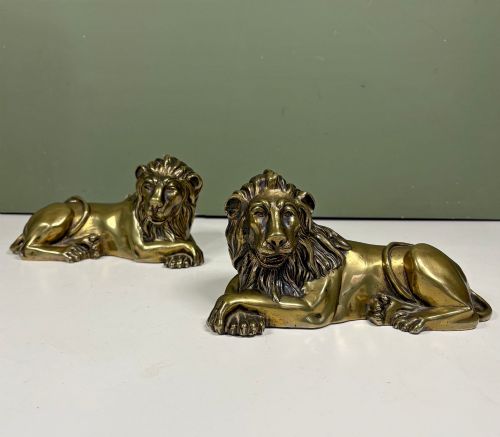
The selections span several centuries, with the nineteenth century producing the largest number of examples in bronze, brass, iron and ceramic. These include pairs designed as bookends, garden ornaments on bases, and decorative objects modelled after celebrated classical prototypes like the Canova and Capitoline lions.
Materials and methods of creation
Metals dominate the better sculptural works, utilising bronze cast by the lost wax method alongside patinated brass and cast iron. French animalier bronzes achieve their fine musculature through careful chasing and patination after casting, whilst earlier works often show the simpler surfaces of sand casting.
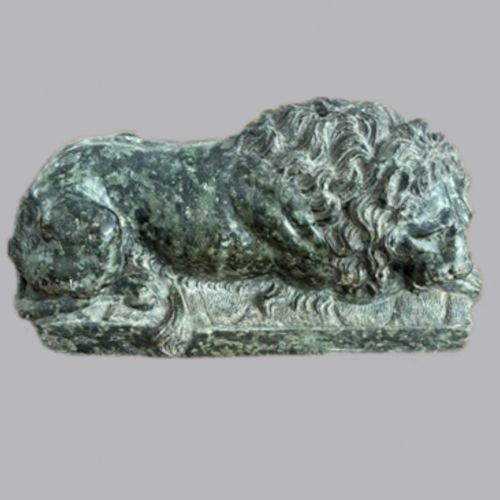
Moulders working in clay utilised terracotta and salt-glazed pottery, firing large figures in sections before applying glazes or leaving the buff clay bare. Stonemasons and marble carvers worked directly from blocks, shaping serpentine, green marble and reconstituted stone with chisels and rasps.
Listings feature materials ranging from nineteenth-century bronze and marble to twentieth-century reconstituted stone and ceramic bookends.
Factors determining sculptural quality
The anatomical precision of the modelling separates works of high artistic merit from generic decorative castings. Superior pieces capture the tension in the resting paws, the ripple of muscle beneath the hide, and the expressive modelling of the face without relying solely on surface paint.
The quality of the material and its subsequent finish dictate the presence of enduring detail. Castings with sharp, crisp chiselling after the metal leaves the mould retain deep relief in the mane and claws, whereas inferior mass-produced items lose definition in the softer contours.
Paul-Édouard Delabrièrre·Al Barye·Barbedienne
The Recumbent Lion Sculpture Glossary
- Canova lions
- Replicas of the monumental sculptural lions carved by Antonio Canova for the tomb of Pope Clement XIII in Rome. These specific recumbent figures became essential souvenirs for travellers on the Grand Tour.
- Animalier
- A nineteenth-century French artistic movement focused on the realistic portrayal of animals. Sculptors in this tradition studied live subjects closely to capture authentic movement and anatomy.
- Patinated metal
- Metal treated with chemicals, heat or paint to produce an aged surface colour. This process enhances the shadows in the modelling and protects the underlying material.
- Terracotta
- Fired unglazed clay of a brownish-red or buff colour. It allows for expressive hand-modelling before firing, though large garden sculptures require substantial internal support during the process.
Recumbent Lion Sculpture: Frequently Asked Questions
Where were these lions originally displayed?
Sculptures of resting lions traditionally guarded the entrances to grand houses, public monuments and tomb complexes across Europe. Smaller versions migrated indoors to libraries and drawing rooms as decorative accents.
Pairs often flanked fireplaces, bookcases or garden pathways to create a sense of symmetry and architectural gravitas.
How do I distinguish bronze from painted cast iron?
Bronze develops a natural patina over time and is non-magnetic, whereas cast iron often shows surface oxidation beneath chipped paint and attracts a magnet strongly. Lifting the piece also helps, as iron is generally heavier and more rigid in section.
Examining the underside usually reveals casting seams or threaded fixing points characteristic of iron production methods.
Can terracotta lions stay outside year-round?
Terracotta and salt-glazed pottery withstand outdoor placement only if fired to a high temperature and sheltered from severe frost expansion. Trapped moisture inside porous clay bodies will expand when frozen and crack the sculpture.
Moving garden figures indoors during freezing winter months ensures their survival through harsh weather.
What is a Grand Tour sculpture?
Grand Tour pieces are works purchased by wealthy young Europeans during their travels through Italy and France during the eighteenth and nineteenth centuries. They served as tangible proof of classical education and refined taste.
Workshop reductions of famous Roman monuments allowed collectors to display museum-scale antiquities on domestic mantelpieces.