


Antique Lion Ornament
An antique lion ornament brings classical sculpture, grand tour bronzes, and country house character into a room.
Antique Lion Ornament
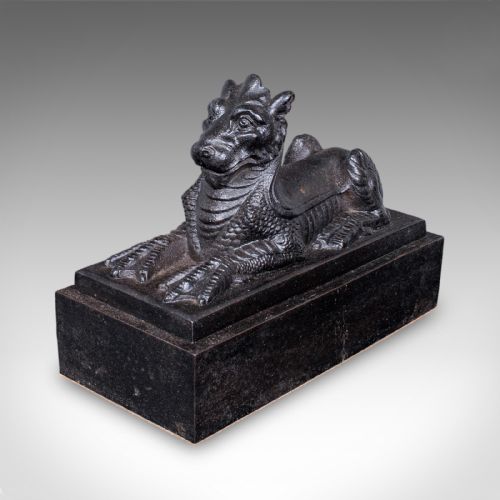
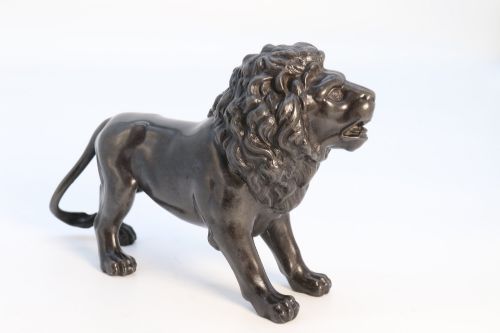
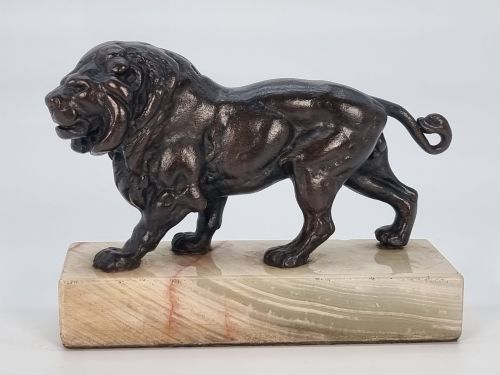
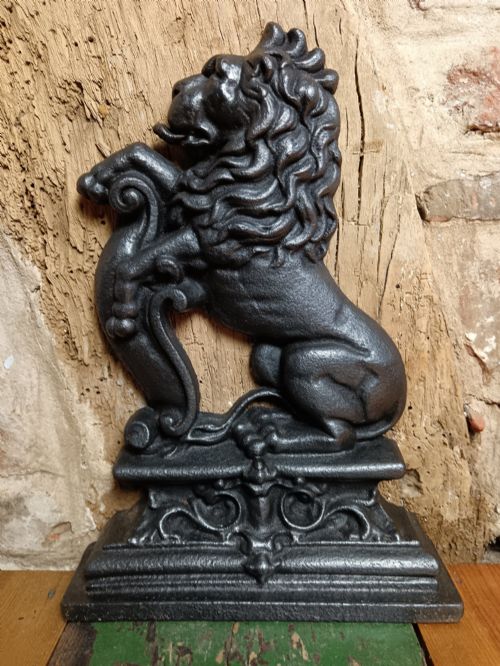
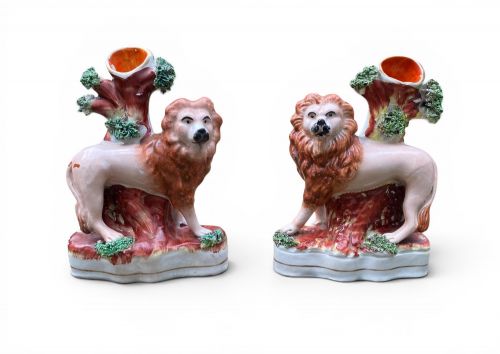
The most common examples you meet on this page are nineteenth century bronze studies, Victorian cast iron doorstops, and ceramic models such as Staffordshire pearlware or treacle glazed earthenware lions. Grand tour souvenirs and Asian mythical beast figures also appear frequently.
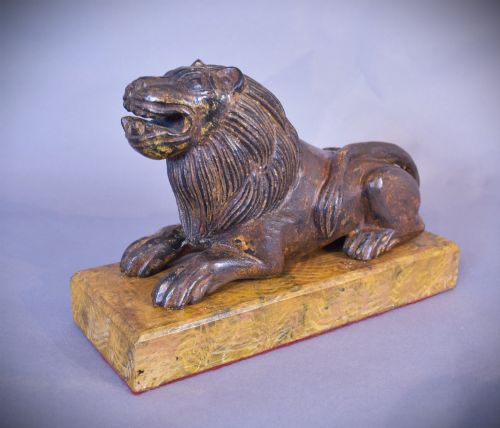
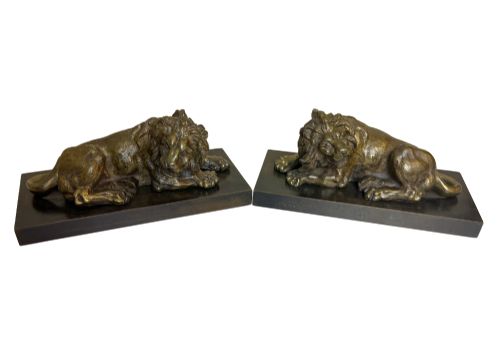
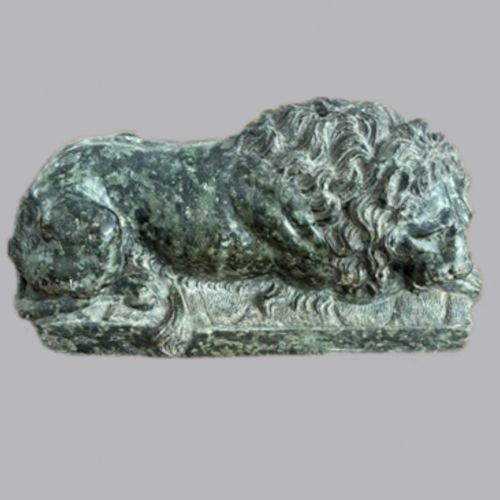
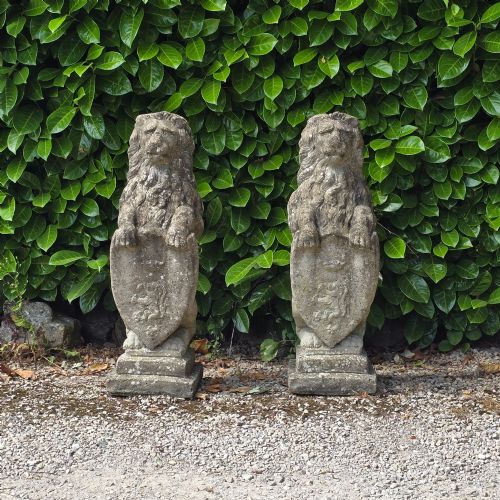
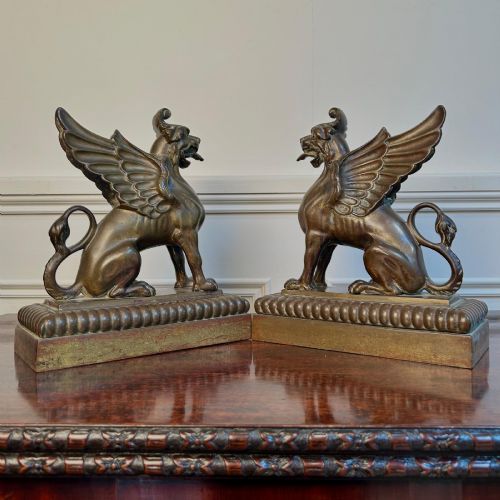
Forms vary from recumbent pairs and rampant guardians to seated post finials and miniature paperweights. Makers and sculptors drew on neoclassical motifs, animalier realism, and mythological subjects like the Canova lions or the Venetian Lion of St Mark.
Materials and construction
Metals form a substantial portion of these pieces, utilising cast iron, bronze, brass, and pewter shaped through casting and cold-painting. Marble, serpentine, and onyx frequently serve as heavy plinths or bases for bronze and metal sculptures.
Ceramic examples rely on earthenware, terracotta, and pearlware, often finished with treacle glaze, copper lustre glaze, or simple paint. Wood and stone, including composite stone and green marble, appear in larger garden statues, bookends, and carved figures.
Some miniature lions double as functional silver pin cushions or tiny desk inkwells.
Factors of quality
Sculptural definition and anatomical accuracy distinguish finer bronze and marble studies from simpler decorative objects. Crispness in cast iron doorstops and detailed hand-painting on ceramic or cold-painted bronze figures indicate superior workmanship.
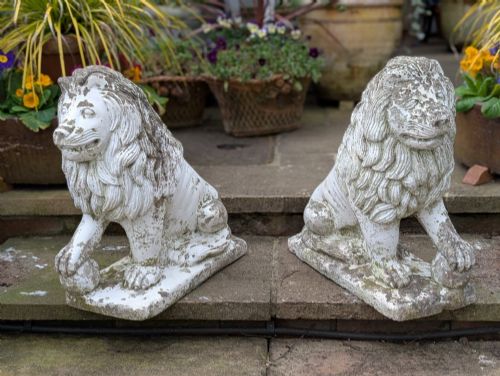
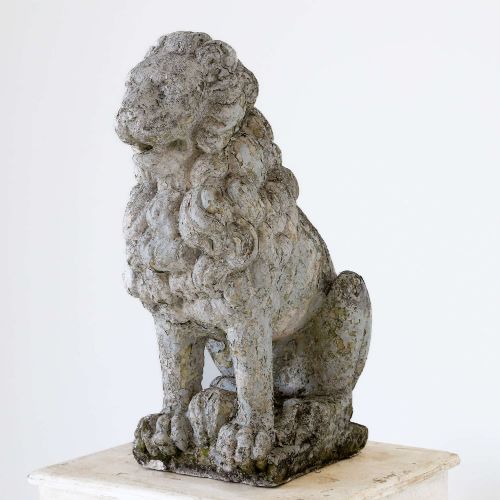
Original surfaces and weathering contribute significantly to the appeal of stone and terracotta garden ornaments. Proportion and weight, particularly in pairs of lions and heavy doorstops, reflect the care taken during initial production.
Franz Bergman·Paul-Édouard Delabrièrre·Rockingham Pottery·Unno Shomin
The Antique Lion Ornament Glossary
- Animalier
- A nineteenth-century artistic movement focused on the realistic portrayal of animals. Sculptors in this style captured lions in prowling or resting poses with close attention to anatomy.
- Grand Tour
- A traditional trip through Europe undertaken by upper-class young men in the eighteenth and nineteenth centuries. Travellers collected small bronzes, marble carvings, and serpentine models as souvenirs.
- Medici Lion
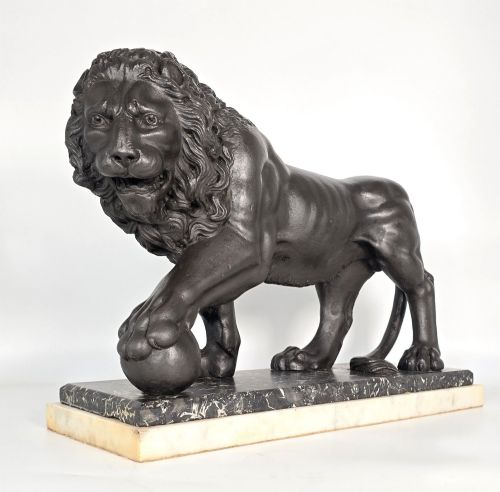
- A marble sculpture of a lion, one of a pair originally guarding the Villa Medici in Rome. Replicas in bronze, brass, iron, and ceramic became popular subjects for interior and exterior ornament.
- Spill vase
- A hollow ceramic figure featuring an attached tube designed to hold wooden spills for lighting fires or candles. Staffordshire potters frequently shaped these vessels as pairs of lions.
- Treacle glaze
- A dark, translucent lead glaze used on pottery to create a glossy, amber-brown finish. This technique appeared widely on nineteenth-century ceramic lion figures.
Antique Lion Ornament: Frequently Asked Questions
Where were antique iron lion doorstops placed?
Heavy cast iron lion doorstops were positioned on interior floors to hold heavy doors open against drafts in hallways and drawing rooms.
Their robust metal construction provided the necessary weight to keep wooden doors stable during daily use.
How do I identify a Grand Tour lion?
Grand Tour lion ornaments typically replicate famous classical sculptures, such as the Medici lions or the Venetian Lion of St Mark, cast in bronze or carved from marble.
These pieces were brought back as souvenirs from European travels during the nineteenth century and often feature integrated stone bases.
What is the difference between a Shishi and a Western lion?
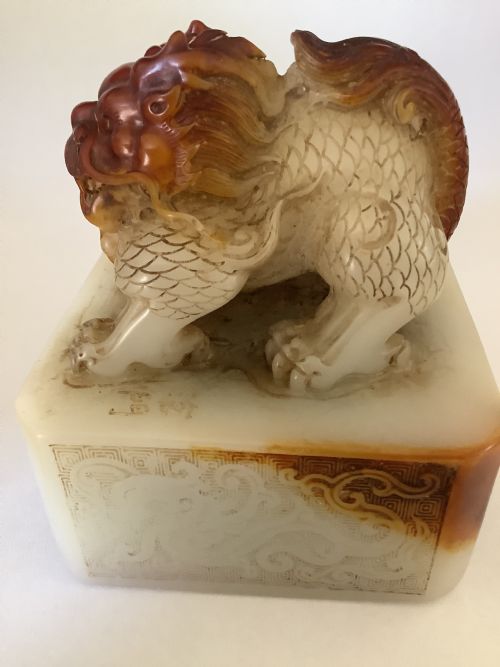
A Shishi, or Buddhist lion, is a traditional Asian mythical guardian creature featuring stylized curls, an ornate mane, and often a paw resting on a ball or brocade sphere.
Western lion ornaments generally follow neoclassical or animalier traditions aimed at naturalistic anatomy rather than symbolic guardianship.
Can stone and terracotta lion ornaments stay outside?
Stone, composite stone, and terracotta lions are suitable for garden placement, where exposure to weather creates a natural weathered patina over time.
Heavier standing and seated stone pairs function effectively as gatepost finials or garden guardians.