




Marble Lion Carving
A marble lion carving brings classical majesty into a room, uniting sculptural weight with enduring stone.
Marble Lion Carving
A marble lion carving encompasses sculptural figures, architectural elements, and decorative panels produced across the eighteenth and nineteenth centuries. These pieces reflect Neoclassical, Grand Tour, and Italian Baroque influences, often taking the form of recumbent beasts, monumental garden statues, or symbolic representations like the Lion of St Mark. Buyers seeking this phrase encounter both standalone Italian figures and structural elements integrated into tables or architectural salvage.
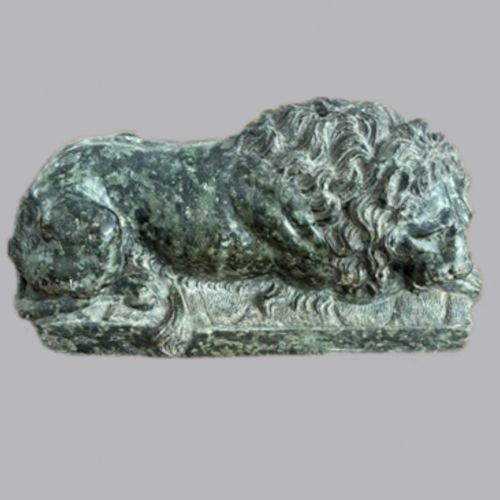
The materials span standard white marble alongside specific variants such as green marble, serpentine, Carrara, and breccia. Many items emerge from Italian and French workshops, capturing classical animalier subjects through solid stone carving or relief panels. Whether miniature Grand Tour souvenirs or massive garden ornaments, these sculptures demonstrate enduring affection for feline strength in solid mineral forms.
Materials and techniques
Sculptors utilised solid blocks of marble, serpentine, and alabaster, shaping the stone through manual chiselling, drilling, and abrasive smoothing. The reliance on dense mineral media required considerable skill to render anatomical details such as musculature, manes, and paws without fracturing the stone.
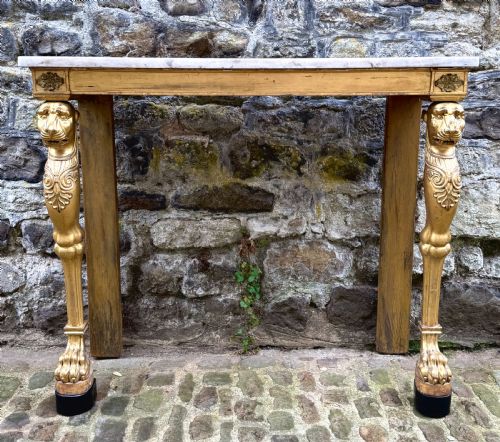
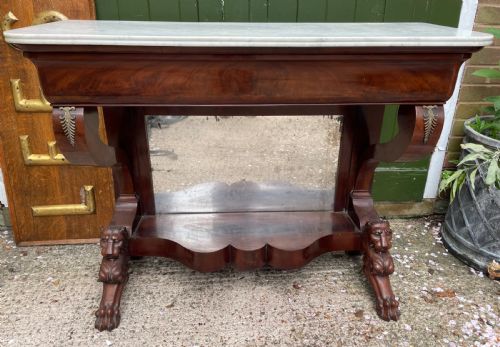
Certain works combine carved marble bodies with supporting elements in giltwood, gesso, mahogany, or ormolu, particularly when the carving forms part of a console table base or a decorative panel. This multi-media approach highlights the contrast between polished stone figures and complementary furniture structures.
Listings feature periods spanning the seventeenth, eighteenth, and nineteenth centuries, alongside early twentieth-century Art Deco interpretations.
Assessing quality and execution
The standard of a marble lion carving depends largely on anatomical precision and the liveliness of the form. Superior examples capture musculature, facial expression, and posture with naturalistic verve, whereas lesser pieces can appear stiff or formulaic in their execution.
The choice of stone and the crispness of the finishing work further define the hierarchy of pieces. Finely figured serpentine, Carrara, or inlaid specimen marbles demand greater technical mastery from the carver than plain stone, elevating the visual impact of the finished sculpture.
Eugene Emile Borga·Jean Joseph Chapuis
The Marble Lion Carving Glossary
- Grand Tour
- A cultural journey undertaken by European elites in the eighteenth and nineteenth centuries, often resulting in the acquisition of classical sculptures and architectural models. These portable souvenirs frequently depicted iconic monuments and animal figures.
- Neoclassical
- An artistic movement spanning the eighteenth and nineteenth centuries that revived the styles and subjects of ancient Greece and Rome. This aesthetic prioritises balanced proportions, restraint, and classical mythology.
- Serpentine Marble
- A green, mottled mineral rock resembling snakeskin that takes a high polish and was favoured for decorative carvings. It appears frequently in Italian ornamental objects and table tops.
- Console Table
- A wall-mounted or freestanding table supported by ornate brackets or legs, often featuring marble tops and carved wooden or stone bases. They serve as prominent decorative furniture in traditional interiors.
Marble Lion Carving: Frequently Asked Questions
Where were these marble carvings made?
Many pieces originate from Italian and French workshops, reflecting the artistic output of the eighteenth and nineteenth centuries. Artisans produced these works to satisfy both domestic demand and the market for classical souvenirs.
Regional centres such as Carrara provided direct access to premier stone quarries, allowing local sculptors to supply international buyers with finished statues and architectural fragments.
How do I style a marble lion carving?
These sculptures suit placement on heavy timber furniture, side tables, or dedicated pedestals where their substantial weight and presence can anchor a room. They pair naturally with classical interiors, libraries, or hallway consoles.
Larger garden statues function as focal points in courtyards or formal terraces, enduring outdoor conditions while retaining their carved definition.
What is the difference between a sculpture and a console table base?
A standalone sculpture is carved entirely as an independent figure or group, designed to be viewed from multiple angles on a flat surface. These pieces focus purely on animalier representation and form.
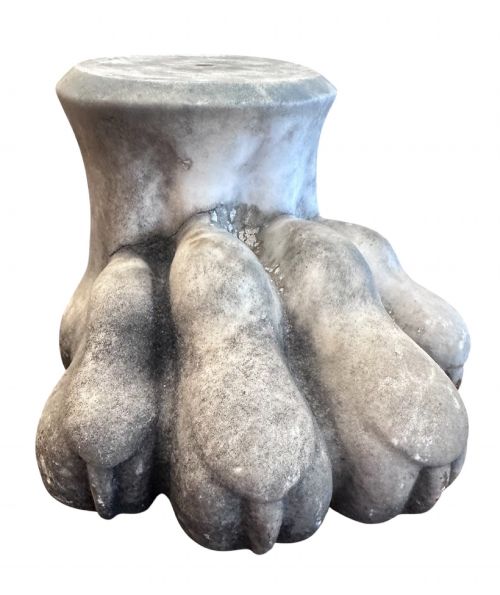
Conversely, console table supports incorporate lion paws or figures as structural weight-bearing elements beneath a stone or wooden top, combining utility with decorative sculpture.
How do I identify a Grand Tour piece?
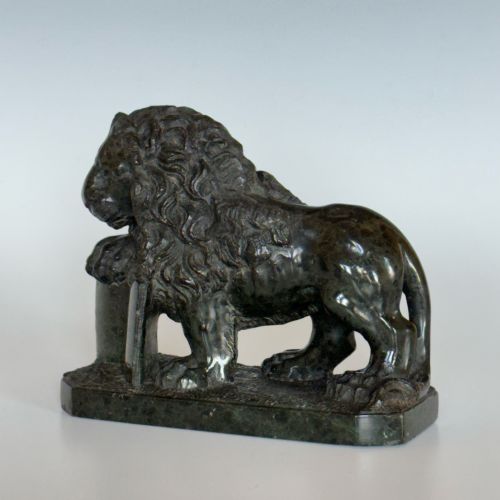
Grand Tour items are generally smaller in scale, designed for transport across Europe by travellers visiting classical sites in Italy. They frequently replicate famous monuments or antique sculptures like the Lion of St Mark.
The choice of distinctive regional stones such as serpentine or alabaster often points towards nineteenth-century Italian production aimed at foreign collectors.