



Carved Stone Lion Figures
Carved stone lion figures bring heft and historic presence to a room, ranging from classical garden guardians to diminutive desk ornaments.
Carved Stone Lion Figures
Carved stone lion figures encompass both ferocious temple guardians and relaxed neoclassical sculptures drawn from long-established sculptural traditions. These pieces draw on materials such as marble, alabaster, soapstone, and jade to portray beasts in seated, recumbent, or guarding postures.
Buyers browsing carved stone lion figures encounter works originating from European grand tour ateliers alongside traditional Chinese workshops. The selection balances monumental garden statuary with intimate decorative objects like bookends and cabinet sculptures.
Victorian and nineteenth-century classical revivals dominate the European offerings, while republican period Chinese pieces bring distinct regional iconography. Each format serves a different interior role, from grounding a terrace to anchoring a library shelf.
How they were made
Sculptors wrought these carved stone lion figures using dense minerals including marble, serpentine, and alabaster, working the material with chisels and abrasive powders to shape muscles and manes. Softer stones like soapstone and jade allowed for intricate undercutting and polished surface finishes on smaller guardian figures.
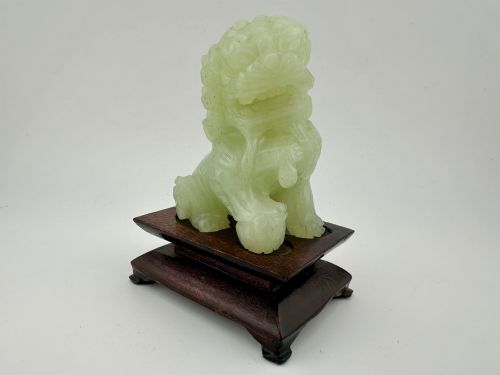
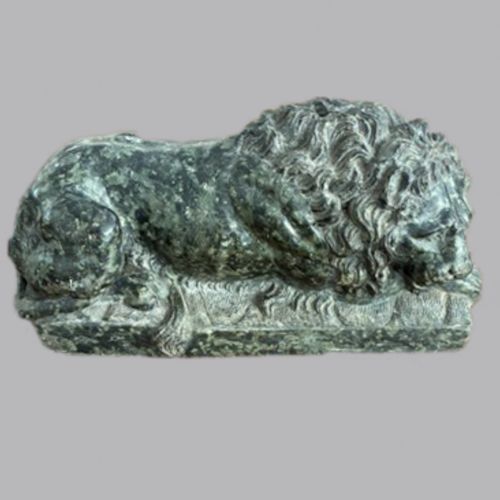
European classical pieces often utilised veined marbles and fine-grained alabaster to emulate ancient statuary, sometimes referencing specific masterworks by sculptors like Antonio Canova. Chinese export and republic period works relied on meticulous hand-polishing to bring out the natural translucency and colour variation of hardstones.
Carved Stone Lion Figures Retail Price Guide 2026
Typical asking prices for carved stone lion figures among the pieces listed under this phrase on Sellingantiques today, from the lower quarter to the upper quarter. They describe what is for sale here now, not the wider market.
One persistent lioness keeps vigil alongside Una from the Faerie Queene, proving that even mythological heroines need a reliable big cat.
What varies in quality
Quality in carved stone lion figures rests upon the precision of the anatomical carving and the liveliness of the posture. Superior examples display careful attention to musculature, facial expression, and the texture of the mane rather than relying on generic symmetry.
The choice and natural figure of the raw stone dictate the visual impact of the finished sculpture. Uniform blocks or harmonious veining elevate a piece, whereas dull finishes and clumsy proportions diminish the sculptural force of the work.
The Carved Stone Lion Figures Glossary
- Grand Tour
- A cultural journey undertaken by wealthy young Europeans in the eighteenth and nineteenth centuries, bringing home classical sculpture copies like the Canova lions seen here.
- Foo Dog
- A traditional Chinese guardian lion, also known as a dog of fo, placed outside temples and palaces to ward off evil spirits.
- Recumbent
- Lying down or resting with the head raised, a common posture for large stone garden lions.
- Hardstone
- A term for semi-precious stones such as jade, serpentine, and agate that take a fine polish and resist scratching.
- Neoclassical
- A Western style inspired by the classical art and architecture of ancient Greece and Rome, evident in nineteenth-century interpretations.
Carved Stone Lion Figures: Frequently Asked Questions
Where should I place a stone lion?
Larger stone and marble figures suit gardens, porticos, and entrance halls where their weight and scale provide architectural balance. Smaller soapstone or alabaster pieces function well on desks, mantelpieces, or as substantial bookends.
Interior placement protects softer stones from weathering while displaying the finer polish of cabinet sculptures. Outdoor garden statuary requires a stable, leveled plinth to support the mass of the stone safely.
How do I distinguish European from Chinese lion figures?
European carved stone lion figures typically follow classical, neoclassical, or grand tour traditions, often referencing antique prototypes and Roman sculpture. They emphasise naturalistic muscle structure and realistic mammalian proportions.
Chinese guardian lions and foo dogs incorporate stylized curls in the mane and tail, frequently paired with a ball or a cub under the paw. The iconography reflects traditional temple guardian designs rather than Western anatomical realism.
What is the difference between marble and alabaster here?
Marble is a hard, metamorphic rock that resists weathering and holds crisp architectural details, making it suitable for both indoor and outdoor placement. Alabaster is a softer, translucent mineral that allows light to penetrate the surface.
Because alabaster dissolves in moisture and scratches easily, pieces carved from it belong strictly indoors. Its softness enables carvers to achieve subtle gradations and smooth, luminous skin and fur textures.