


Serpentine Marble Sculpture
These serpentine marble sculpture pieces are heavy, green-veined souvenirs of the Grand Tour that bring classical antiquity directly onto a nineteenth-century desk or mantelpiece.
Serpentine Marble Sculpture
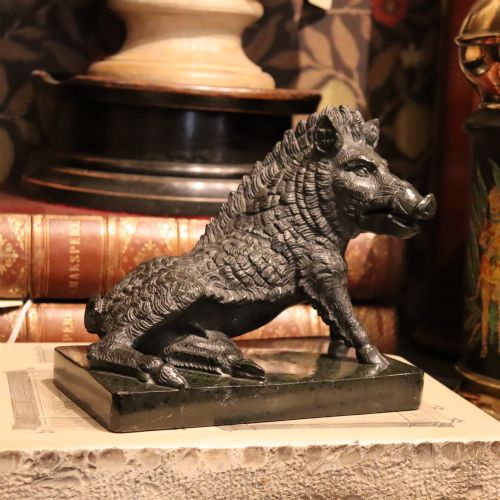
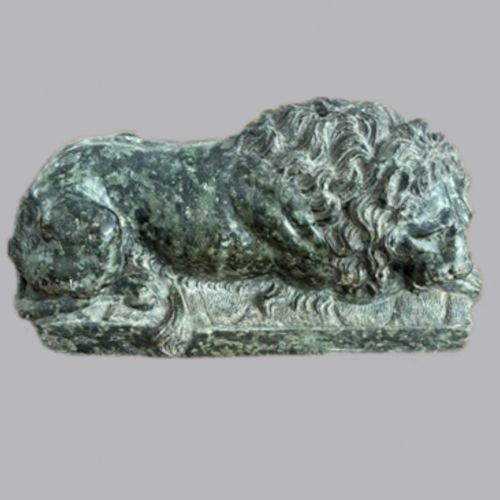
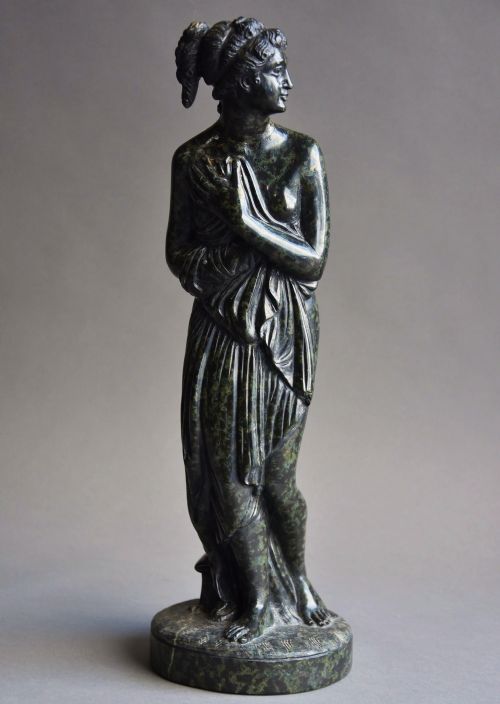
A serpentine marble sculpture is typically a nineteenth-century souvenir from the Grand Tour, recording famous classical antiquities in miniature. These carvings replicate renowned subjects such as the Florentine boar, the Venetian lion of St Mark, Canova lions, and figures like Venus.
The objects span pedestals, columns, paperweights, and figurative carvings originating largely from Italian workshops. Victorian examples frequently utilise green stone and soapstone to emulate ancient statuary.
Buyers encounter subjects modeled after classical sculpture, rendered in variegated green stones across the nineteenth century, including specific dates around eighteen eighty and eighteen fifty.
Materials and construction
Makers shaped these pieces from stone, marble, and serpentine marble, selecting green varieties to evoke classical bronze and stone. Soapstone also appears among the materials utilised for smaller desk accessories.
Carvers worked the variegated stone by hand to capture the musculature of animals and the drapery of figures after the antique. Finished surfaces range from polished columns to matte pedestals and sculptural reductions.
Materials recorded across the inventory include stone, marble, green marble, serpentine, and soapstone.
Evaluating quality in carved stone
Quality rests upon the crispness of the carving and how closely the reduction follows the antique source material. Finer pieces display sharper anatomical detail in subjects like hounds, lions, and human figures.
The visual depth of the green marble and the natural variation of the serpentine veins dictate the visual impact of each sculpture or pedestal. Larger scale works and paired columns demand superior block selection and heavier turning.
The Serpentine Marble Sculpture Glossary
- Grand Tour
- A nineteenth-century cultural journey undertaken by wealthy Europeans to study classical art and architecture abroad. Souvenirs purchased along the way included carved stone models and reductions of famous antiquities.
- Serpentine
- A group of green silicate minerals characterised by a mottled appearance resembling snakeskin. The stone takes a high polish and forms the primary material for these nineteenth-century carvings.
- Neoclassical
- An artistic movement drawing inspiration from the classical art and culture of ancient Greece and Rome. This aesthetic governed the design of pedestals, columns, and sculptural figures during the period.
- Prato verde
- An Italian term for green meadow stone used by carvers of nineteenth-century souvenirs. It describes the specific shade found on monumental animal sculptures like the Uffizi boar.
- Reduction
- A scale copy of a larger monumental statue or architectural element. Carvers produced these smaller versions for travellers to pack and display at home.
Serpentine Marble Sculpture: Frequently Asked Questions
What is a serpentine marble sculpture?
These pieces are nineteenth-century carved stone models reproducing famous classical sculptures and architectural elements. They originated largely as Grand Tour souvenirs for travellers visiting Italy.
Subjects include mythological animals, classical lions, and human figures derived from ancient statues. They range from small desk paperweights to substantial pedestals and columns.
How were these sculptures used?
Victorian collectors displayed these carved stones on tables, desks, and dedicated pedestals within domestic interiors. They served as visible proof of travel and an education in classical art.
Smaller pieces functioned as decorative paperweights or cabinet objects, while larger columns and pedestals supported busts or urns.
How do I date a serpentine sculpture?
Dating relies on stylistic markers associated with the nineteenth century, particularly the Victorian era and the height of the Grand Tour. The evidence points to production dates spanning the mid to late nineteenth century up to nineteen ten.
Matching the subject to known antique sources helps establish the context of the carving. The specific type of green marble and the manner of the hand-carving also align with nineteenth-century workshop practices.
Where did these sculptures originate?
The majority of these carved works originated in Italy as souvenirs for the tourist market. Workshops produced reductions of famous antiquities housed in Florentine and Roman collections.
Other examples show Chinese craftsmanship utilising soapstone and marble for desktop items. French workshops also produced architectural green serpentine marble columns during the nineteenth century.
How do I care for marble sculpture?
Marble and serpentine require gentle dusting with a dry cloth to prevent abrasion on the polished surface. Avoid moisture, chemical cleaners, and oils which can penetrate the porous stone.
Place heavy pedestals and sculptures on stable surfaces capable of supporting substantial stone weight. Keep them away from direct heat sources and sudden temperature shifts.