
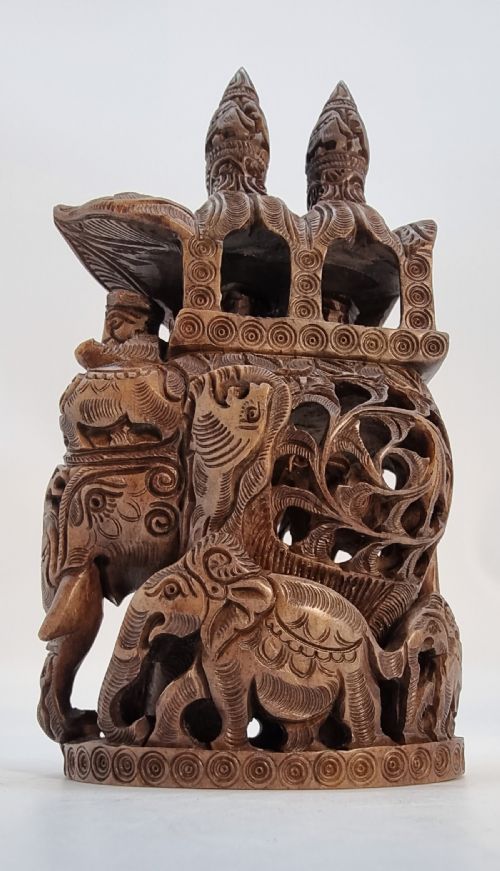


Carved Stone Animal Figure
These carved stone animal figure pieces bring classical weight and animal presence into a room, spanning nineteenth-century Grand Tour lions to Art Deco squirrels.
Carved Stone Animal Figure
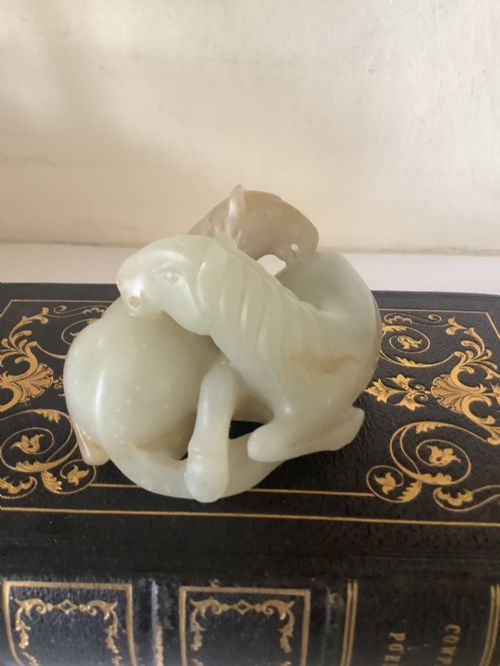
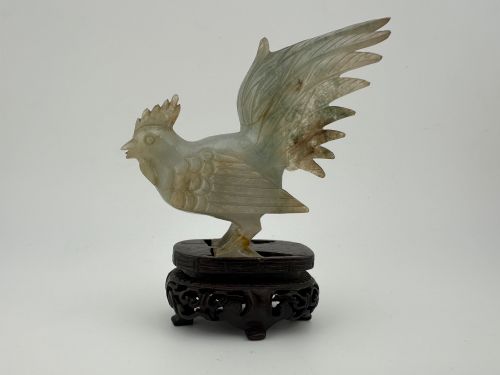
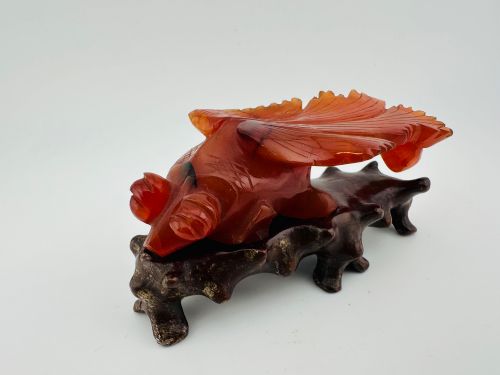
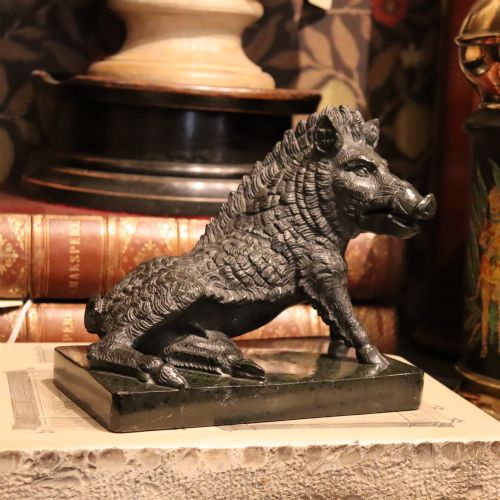
When someone searches for a carved stone animal figure, they are looking at sculptural works carved from materials like marble, soapstone, and alabaster. The pieces on this page range from nineteenth-century Grand Tour horses and boars to twentieth-century Art Deco bookends and Asian decorative studies.
The most common examples met here are nineteenth-century interpretations of classical subjects, such as Italian green serpentine marble lions and boars. Alongside these sit later domestic subjects, including alabaster lionesses and soapstone elephants from the early twentieth century.
Forms vary from single animal studies to paired bookends and complex groups, including dogs, eagles, squirrels, and horses. Origins span European workshops, Anglo-Indian carvers, and Chinese decorative arts traditions, reaching back through nineteenth-century revivals.
How they were made
Carvers shaped these figures from natural mineral blocks using chisels, files, and abrasive powders to achieve the final form. The material choice dictated the possible detail, with fine-grained stones like Carrara marble allowing sharp muscular definition while softer soapstone suited rounded animal contours.
Surface finishing involved hand-polishing to bring out the natural veining and colour variations inherent in serpentine, alabaster, and specimen marble. Makers of Grand Tour pieces often worked after classical antiquities, whereas twentieth-century carvers embraced streamlined Art Deco profiles.
Recorded styles span nineteenth-century Grand Tour, Art Deco, Anglo-Indian, and Tang Dynasty stone carving traditions.
What varies in quality
Quality rests upon the natural figuring of the stone and the anatomical conviction of the carving. Superior pieces display thoughtful selection of marble or serpentine veins to accentuate the musculature and form of the animal.
The precision of the chisel work separates standard decorative objects from master studies. Successful carving captures the specific weight and posture of the creature, whether copying an antique model or executing a contemporary design.
Bright And Sons·Joseph Gott
The Carved Stone Animal Figure Glossary
- Serpentine Marble
- A green, mottled stone resembling serpent skin that carvers polished to a deep lustre. It was widely used by nineteenth-century Italian workshops for classical models.
- Grand Tour
- The nineteenth-century tradition of travelling through Europe to collect classical antiquities and architectural models. Sculptors produced reduced copies of famous statues for these travellers.
- Soapstone
- A soft, talc-based stone that is easily carved into detailed figures. It yields a smooth, soapy feel when handled.
- Steatite
- A dense, magnesium-rich metamorphic rock belonging to the soapstone family. It provides a durable medium for small decorative carvings.
Carved Stone Animal Figure: Frequently Asked Questions
How do I clean a marble animal carving?
Dust the surface regularly with a soft, dry cloth to prevent dirt settling in the crevices. Avoid using household detergents or water, which can damage the polish of older stones.
For stubborn marks, consult a specialist restorer rather than attempting chemical cleaning. Natural stone is porous and absorbs harsh liquids easily.
Are these figures solid stone?
The pieces listed are carved from natural mineral blocks, including various marbles, alabaster, soapstone, and serpentine. Each material possesses distinct weight and geological characteristics.
Makers selected specific stones to suit the scale and subject of the animal study. The natural weight of the stone provides stability without internal weighting.
What is a Grand Tour carving?
Grand Tour carvings are nineteenth-century souvenirs created for travellers touring classical sites in Italy and Europe. Workshops produced reduced marble and serpentine copies of famous ancient sculptures.
These pieces allowed collectors to bring classical art and natural history specimens into private homes. They reflect the nineteenth-century fascination with antiquity.
How should I display stone sculptures?
Place stone figures on stable, level surfaces away from direct sunlight and sudden temperature shifts. Marble and alabaster can be sensitive to environmental extremes.
Ensure heavy pieces sit on furniture capable of supporting dense stone weight. Adequate lighting from the side highlights the carved contours and natural stone veining.