


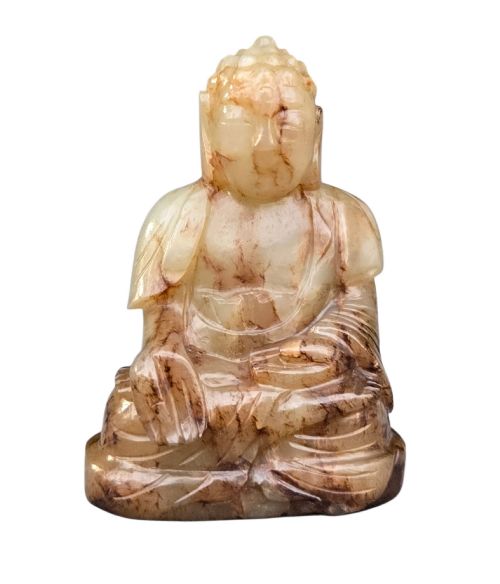


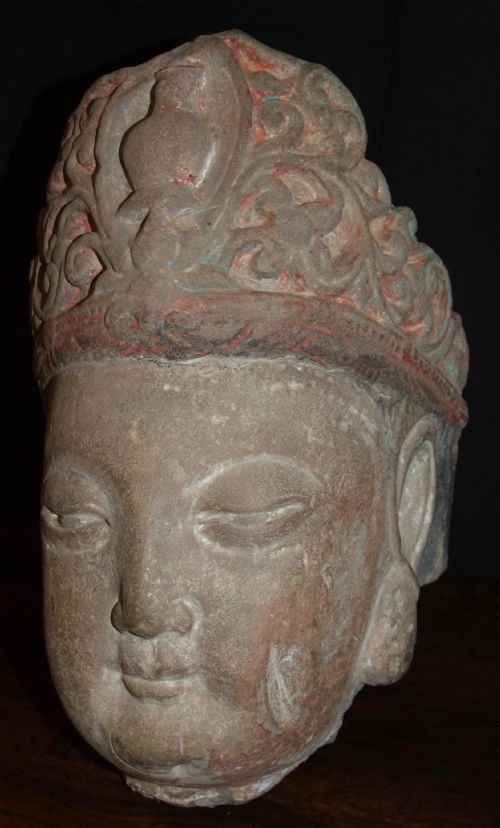

Chinese Carved Stone Statue
A chinese carved stone statue brings centuries of disciplined artisan skill and patient material shaping straight into a room.
Chinese Carved Stone Statue
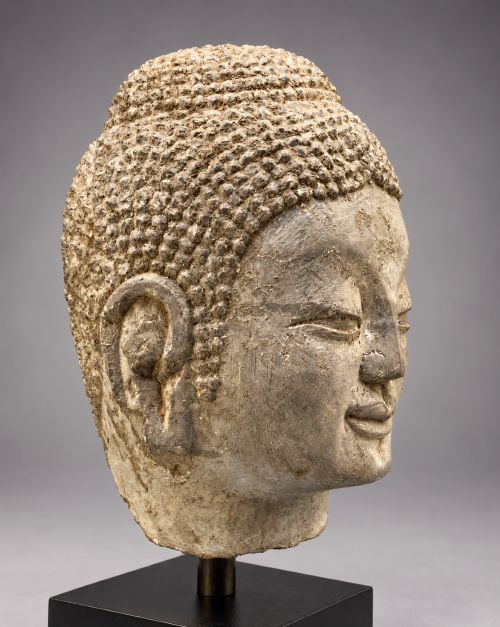
A chinese carved stone statue encompasses everything from monumental limestone Buddha heads to soapstone animal groups and jade figures. Buyers seeking these sculptures encounter works spanning the pre 16th century dynasties up through the 19th century and the Republic period.
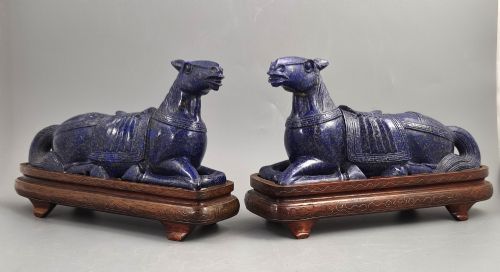
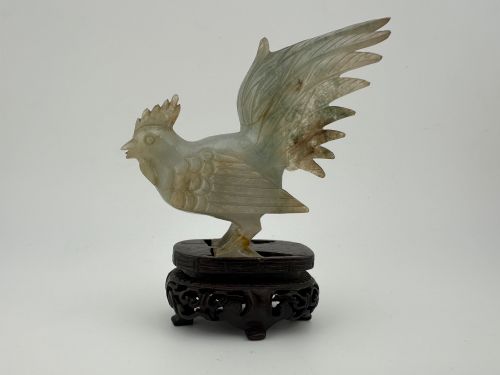
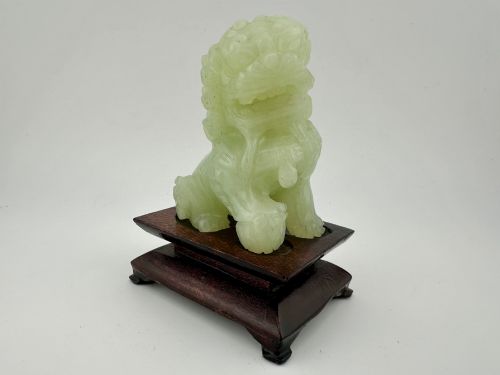
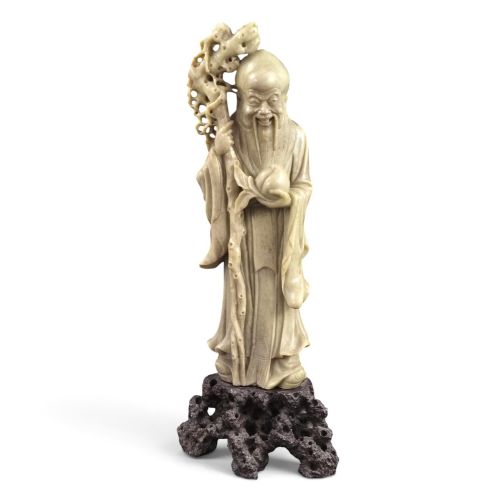
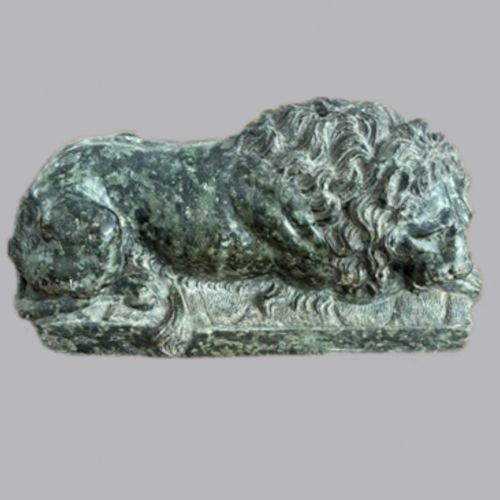
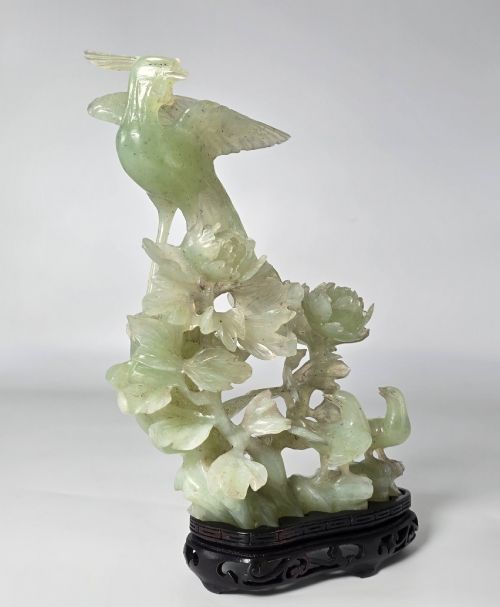
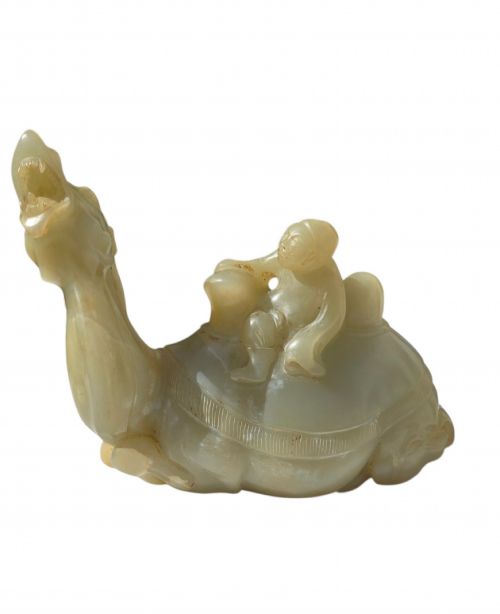
The objects take diverse physical shapes, including recumbent lions, Foo Dog temple guards, bookends, and figural groups depicting sages or animals like geese and camels. Soapstone and various hardstones appear frequently among the pieces available on this page.
Earlier examples often draw from Buddhist iconography, featuring limestone and sandstone heads or seated figures from the Ming and Tang dynasties. Later Victorian and 19th century interpretations tend toward decorative jadeite figures and soapstone groupings.
Materials and carving techniques
Carvers utilised a range of regional materials including soapstone, limestone, sandstone, jade, bowenite serpentine, and hualien green marble. Each stone demanded specific handling, from the relative softness of soapstone to the immense hardness of jadeite and sandstone.
Artisans shaped these geological mediums using abrasive cutting, drilling, and polishing methods passed down through generations. The resulting sculptures display both the natural fissures of the raw stone and the precise tool marks of the workshop.
Listings span periods from pre 16th century dynastic fragments to late 19th century soapstone and jade carvings.
Quality factors in stone carving
The calibre of a carving rests on the harmony between the natural characteristics of the stone and the ambition of the sculptor. Superior pieces show a confident understanding of the material's grain, colour variation, and density.
Detail and proportion dictate the upper tier of works, where facial expressions, drapery folds, and anatomical forms demonstrate sustained control. Weaker examples often rely on generic mass production with flat planes and static postures.
The Chinese Carved Stone Statue Glossary
- Soapstone
- A talc-schist mineral known for its soft, soapy texture and ease of carving. It readily accepts intricate detail and polished finishes.
- Jadeite
- A pyroxene mineral valued for its toughness and crystalline structure. It forms intricate carvings that resist scratching.
- Foo Dog
- A traditional Chinese architectural guardian lion symbolising protection. These creatures frequently appear in pairs guarding entrances or supporting bookends.
- Shoulao
- The Chinese Taoist god of longevity, commonly depicted with a high forehead and a staff. Sculptors often render this figure in soapstone or hardstone.
Chinese Carved Stone Statue: Frequently Asked Questions
How do I date a stone carving?
Dating relies on stylistic markers, tool traces, and the specific geological material typical of particular dynasties or periods.
Comparison with documented museum examples helps confirm whether a piece belongs to earlier dynastic eras or later revival periods.
Are soapstone statues fragile?
Soapstone is a relatively soft mineral that can scratch or chip if dropped or handled roughly.
Gentle dusting with a dry cloth keeps the surface secure without risking abrasion to delicate projections.
What is hardstone?
Hardstone is a general term for semi-precious stones harder than ordinary building stone, including jade, bowenite, and serpentine.
These materials require specialised abrasive techniques to shape and polish effectively.
How were these statues displayed?
Many figures served as scholar's objects for quiet contemplation on desks or within private residences.
Larger sculptures and pairs of lions or bookends anchored architectural spaces or functioned as decorative mantelpieces.