
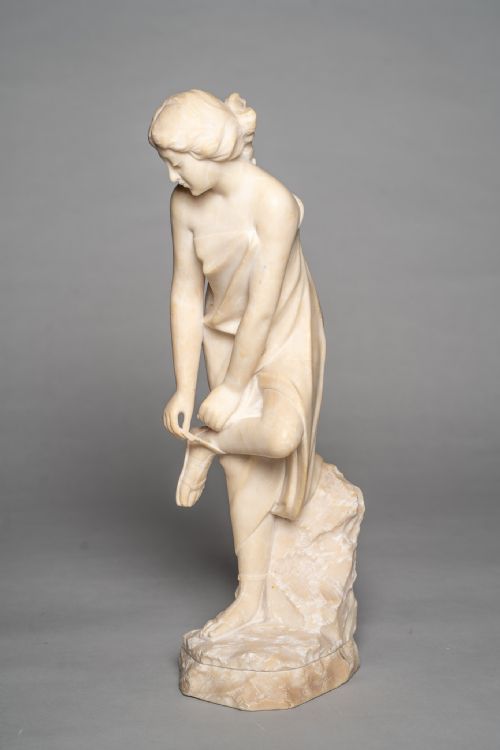

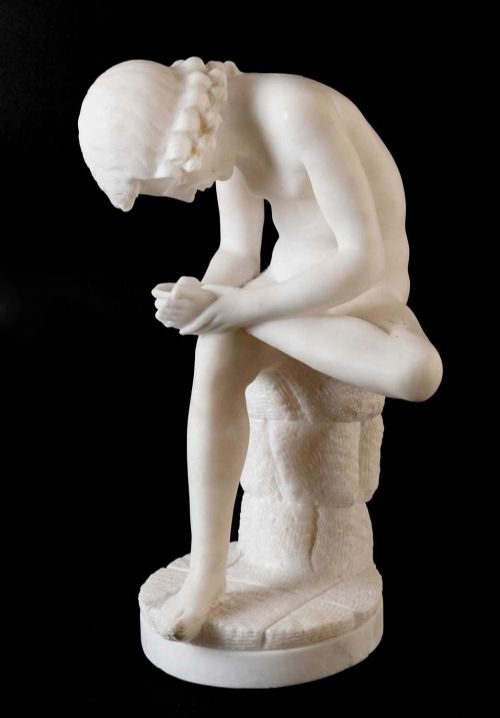


Italian Carved Stone Figure
An italian carved stone figure brings classical myth and Grand Tour elegance directly into a room through masterly hand-chiselled detail.
Italian Carved Stone Figure
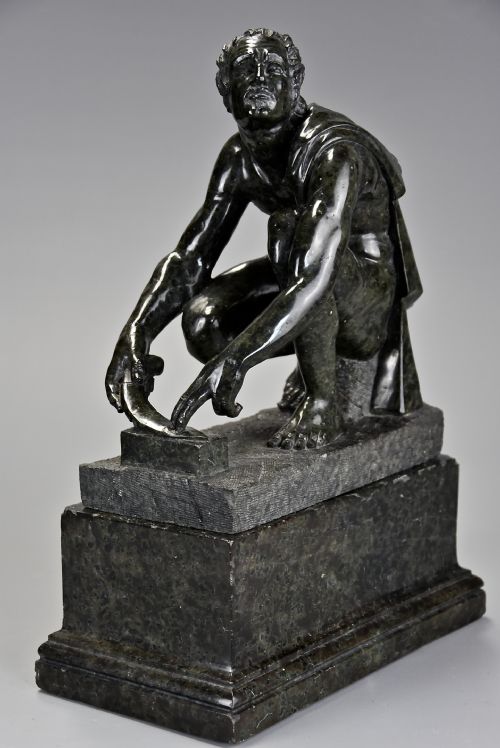
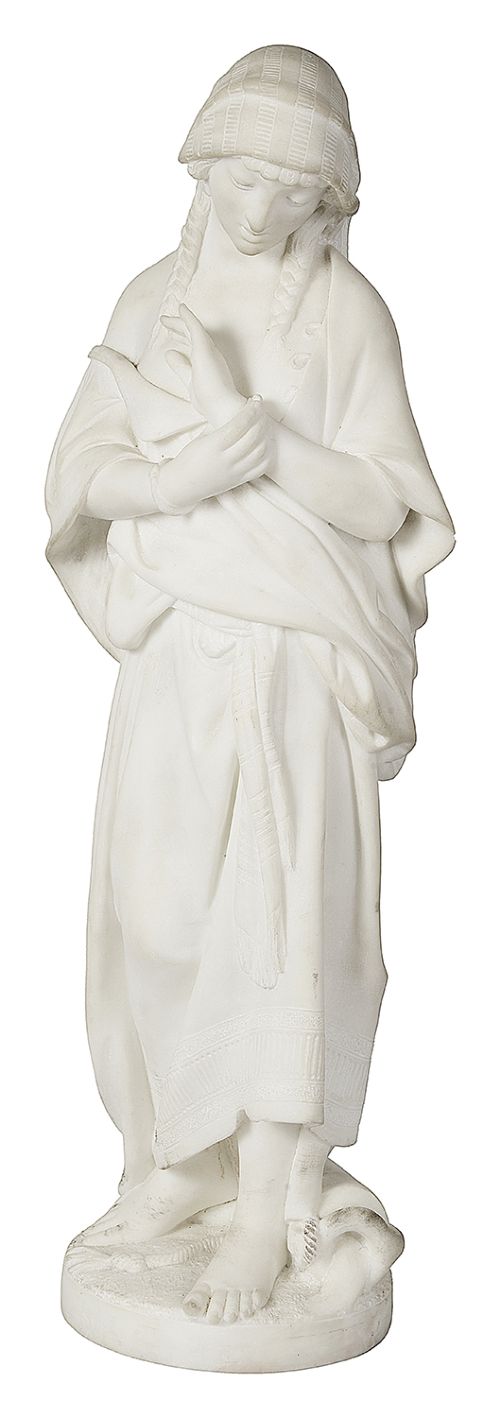
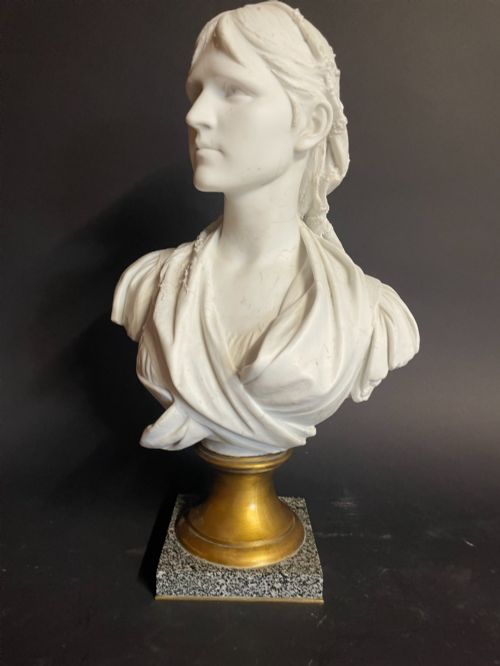
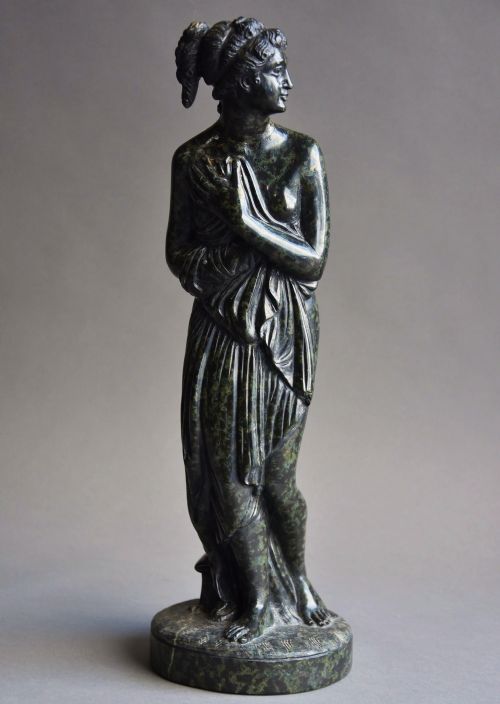
When a buyer searches for an italian carved stone figure, they encounter sculptural works ranging from modest portrait busts to complex mythological groups. The material typically manifests as fine white Carrara marble, veined green serpentine, or translucent alabaster.
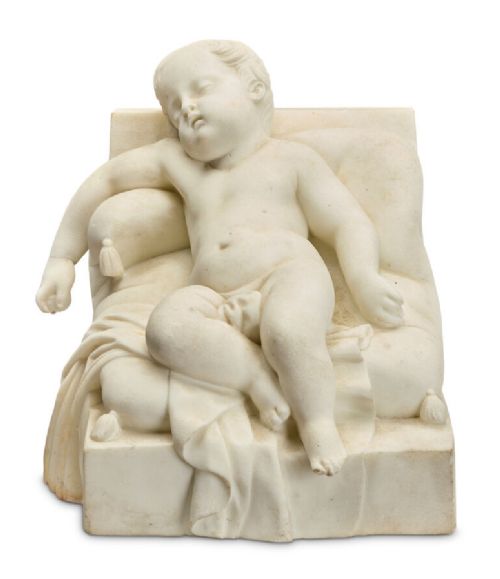
Most pieces date from the nineteenth century, reflecting the strong European demand for classical antiquity and Grand Tour souvenirs. Common subjects include putti, historical figures like Dante, and reduced-scale copies of famous statues after the antique.
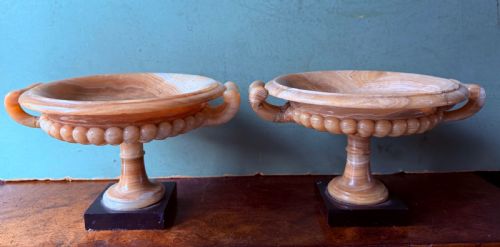
Forms span freestanding statues, library busts, decorative tazze, and figurative bookends, often mounted upon contrasting black marble bases.
Materials and Working Methods
Sculptors utilised blocks of natural stone, carving the medium by hand using chisels, rasps, and drills to achieve intricate drapery and hair. Softer stones such as alabaster allowed for delicate translucency, while hard marbles demanded rigorous abrasive polishing.
Many nineteenth-century works relied on pointing machines to transfer exact proportions from plaster models to the final marble block. Artisans then finished the surface manually, applying varying grades of grit to create matte skin or polished drapery.
Assessing Artistic Execution
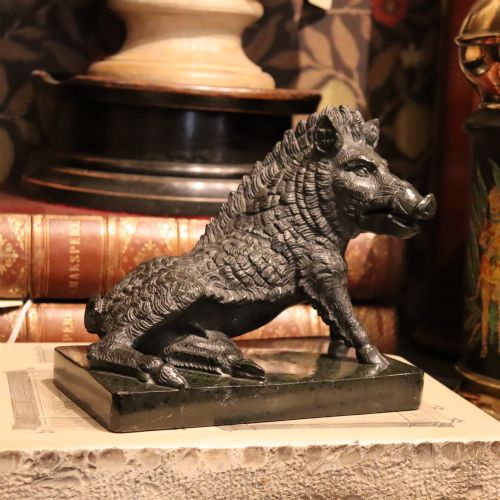
The distinction between ordinary and exceptional carving lies in the crispness of anatomical rendering and the depth of undercut detail. Superior works capture organic movement and subtle muscle tension in subjects like the Florentine boar or crouching figures.
Signed examples by known sculptors or established Florentine workshops generally demonstrate greater refinement in facial expression and finishing polish. The choice of stone also influences quality, with highly figured serpentine or richly veined alabaster commanding attention.
Barranti Florence·Antonio Canova·A Gamay·Eduardo Giolli·P Della Vedova·Ferdinando Vichi·Cipriani
The Italian Carved Stone Figure Glossary
- Grand Tour
- A traditional trip through Europe undertaken by upper-class young men to study classical art and architecture. Souvenirs collected along the way frequently included miniature marble and alabaster sculptures.
- Putto
- A plump, naked male child often depicted in classical art and Renaissance sculpture. These figures frequently appear in nineteenth-century Italian stone carvings as cherubs or mythological attendants.
- Alabaster
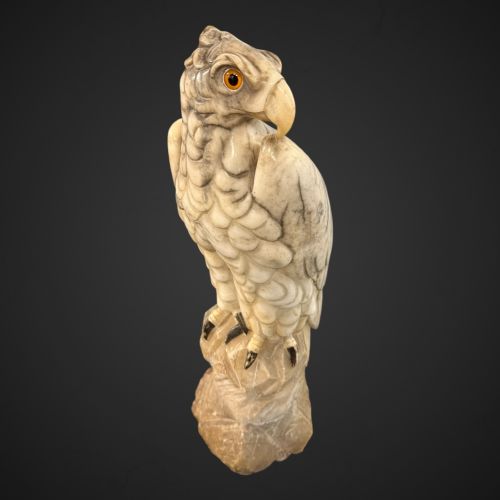
- A fine-grained stone used for detailed carving and valued for its soft, translucent quality. It allows light to penetrate slightly beneath the surface.
- Serpentine
- A group of green minerals often polished for decorative architectural stonework and sculptural bases. The resulting surface displays mottled shades resembling snake skin.
- Tazza
- A shallow saucer-like ornamental vessel elevated on a stem and foot. They appear in carved stone pairs on architectural blocks.
Italian Carved Stone Figure: Frequently Asked Questions
What is a Grand Tour sculpture?
A Grand Tour sculpture is a miniature or reduced-scale copy of a famous ancient monument or classical statue produced in Italy during the eighteenth and nineteenth centuries.
Travellers purchased these carved stone and marble figures as cultural souvenirs to display in their homes upon returning to Britain.
Are these sculptures signed?
Many nineteenth-century Italian figures bear signatures or attribution marks carved directly into the stone base or rear plinth. Signatures often indicate prominent Florentine studios or specific sculptors such as Guglielmo Pugi or Ferdinando Vichi.
Unsigned works remain common, often representing output from anonymous workshops catering to the tourist market.
What is Carrara marble?
Carrara marble is a type of white or blue-grey stone quarried in the city of Carrara in the north of Tuscany. It has been utilised for prestigious neoclassical sculpture since the Roman period due to its fine grain.
Nineteenth-century carvers favoured this material for its smooth texture and luminous surface when polished.