



Carved Marble Animals
These carved marble animals are solid stone figures of beasts and birds that bring weight and presence to any room.
Carved Marble Animals
Carved marble animals encompass sculptural figures, bookends, and decorative models created across the nineteenth and twentieth centuries. These pieces draw on classical traditions, Grand Tour souvenirs, and later Art Deco interpretations of wildlife and domestic pets.
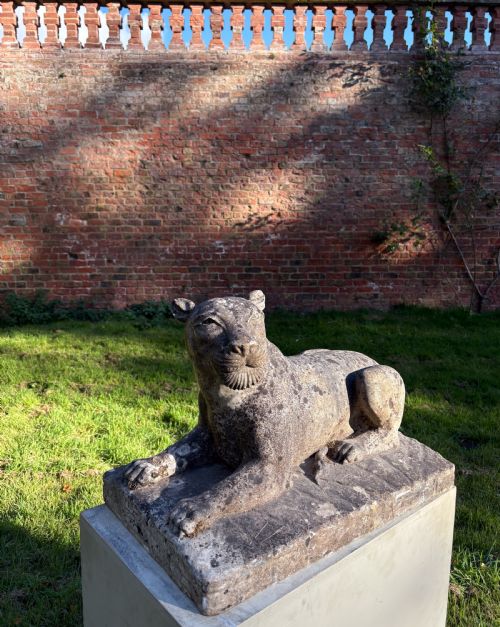
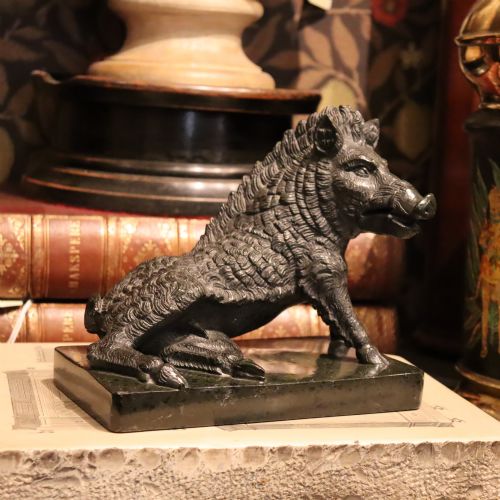
The selections available here lean heavily toward Italian workshops producing serpentine and Carrara marble models after antique prototypes. Figures of lions, boars, hounds, and eagles dominate the form, often mounted on contrasting stone or wood bases.
Materials and methods
Carvers shaped these figures from blocks of solid marble, serpentine, and occasionally alabaster using traditional hand chisels and drills. Artisans utilised the natural veining and varied colouration of the stone to suggest muscle definition, fur texture, and dramatic shadows.
Many works combine carved stone figures with metal components, mounting marble animals onto brass or bronze bases, or pairing stone sculpture with wooden structural elements. Finishing involved careful polishing to highlight the smooth surfaces against rougher, pecked details.
Carved Marble Animals Retail Price Guide 2026
Typical asking prices for carved marble animals among the pieces listed under this phrase on Sellingantiques today, from the lower quarter to the upper quarter. They describe what is for sale here now, not the wider market.
At least two seated hounds double as side tables, holding a pose that suggests they might stand up if dinner is late.
Evaluating quality and execution
The distinction between ordinary and exceptional pieces lies in the anatomical accuracy and the sensitivity of the carving. Superior works capture the tension and movement of the animal, whereas lesser examples appear stiff and mechanical in their proportions.
The choice of stone also dictates quality, with fine, unblemished Carrara marble or rich, multi-toned serpentine commanding greater attention than heavily repaired or uniformly grey stone. The integration of the figure with its marble base reveals the maker's discipline and skill.
Eugene Emile Borga·Joseph Gott
The Carved Marble Animals Glossary
- Grand Tour
- A cultural journey through Europe undertaken by wealthy young men in the eighteenth and nineteenth centuries, which generated a demand for small marble animal sculptures bought as souvenirs in Italy.
- Serpentine Marble
- A green, mottled stone resembling snakeskin that carvers used extensively for Italian animal models and architectural ornaments. It takes a high polish and shows distinctive clouding.
- Carrara Marble
- A white or blue-grey stone quarried in the city of Carrara in Tuscany, prized since antiquity for fine sculptural work. Its relatively uniform crystalline structure allows for delicate detailing.
- Animalier
- A nineteenth-century artistic movement dedicated to the realistic portrayal of animals, particularly predators and horses in dynamic poses. Sculptors working in this style focused on accurate musculature and behaviour.
Carved Marble Animals: Frequently Asked Questions
What animals appear most often?
Lions, eagles, hounds, and boars form the bulk of the subjects, reflecting classical antiquity and Grand Tour tastes.
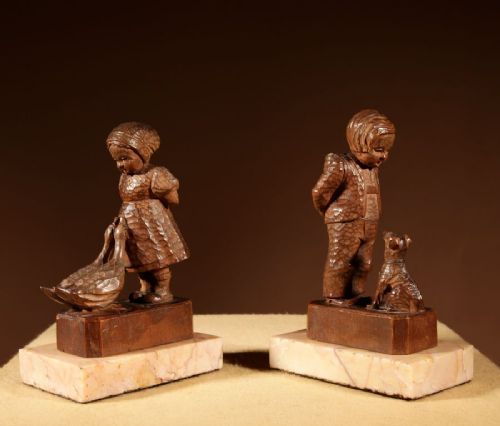
Later pieces introduce domestic dogs and squirrels, often shaped as bookends or desk ornaments.
How do I clean marble figures?
Dusting with a dry, soft cloth prevents the accumulation of dirt in the carved crevices and incised lines.
Water and harsh chemical cleaners can damage unsealed stone surfaces, so professional advice is necessary for deeper cleaning.
Where should I display these sculptures?
Sturdy surfaces such as side tables, desks, and bookshelves support the considerable weight of solid stone.
Placement away from direct heat sources and high-traffic edges protects the carved extremities from accidental knocks.
How can I tell the age of a piece?
Tool marks, the type of marble, and the style of the mounting offer clues to the period of manufacture.
Nineteenth-century Grand Tour works typically show hand-finished surfaces, while Art Deco pieces feature streamlined geometries.