
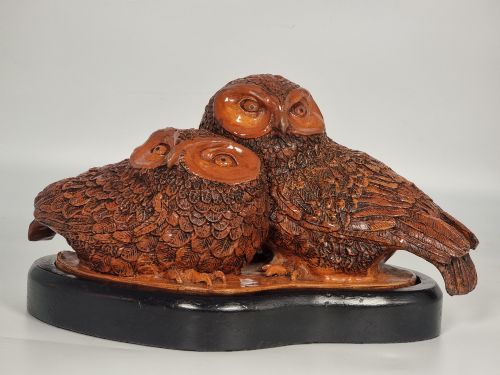
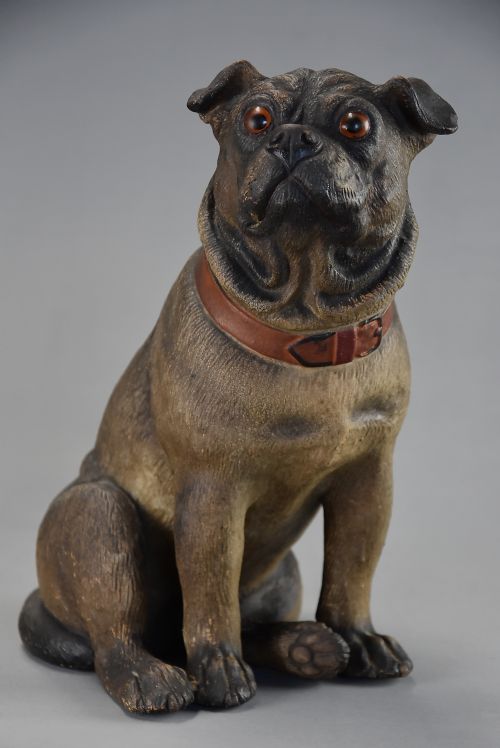
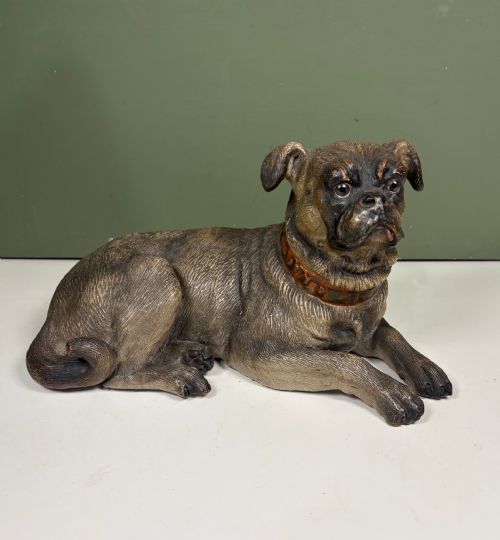
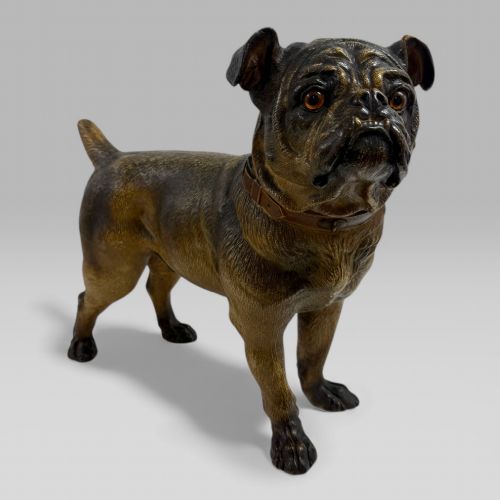


Brown Terracotta Figurine
A brown terracotta figurine brings warmth and tactile presence to a room, offering sculpted human and animal forms shaped from baked earth.
Brown Terracotta Figurine
A brown terracotta figurine represents sculpted forms ranging from seated animals to human figures and busts, originating across the nineteenth and twentieth centuries. When searching for a brown terracotta figurine, buyers encounter diverse regional traditions spanning Austrian animal studies, French Art Nouveau maiden subjects, and Italian sculptural works.
The selection includes life-size dog sculptures, decorative pairs, and portrait busts created during the Victorian, Edwardian, and Art Deco periods. Makers from Vienna and beyond utilised earthenware and clay to produce expressive decorative sculptures that sit comfortably on tables, shelves, and ebonised bases.
How these figures were shaped and finished
Makers shaped these pieces from clay and earthenware through hand sculpting and moulding, capturing fine details in the soft material before kiln firing. Some examples received surface treatments including paint, glazes, or ebonised wooden mounts to enhance the finished sculpture.
The firing process hardens the terracotta body, allowing sculptors to achieve varied surface textures and tones ranging from matte earth finishes to glossy sancai glazes.
Listings feature terracotta, earthenware, and plaster materials across Victorian, Edwardian, and Art Deco periods.
What separates the finest examples
Quality in these sculptures rests upon the crispness of the modelling and the sensitivity of the hand finishing. Superior examples display anatomical precision in animal subjects or expressive fluidity in human figures.
The presence of artist signatures, foundry marks, and well-preserved surface paint or glazes distinguishes workshop productions from standard commercial pieces.
Richard Avrilli·Pietro Calvi·Joseph Gott·Octave Galliard-Sansonetti·Friedrich Goldscheider·Bernard Bloch
The Brown Terracotta Figurine Glossary
- Terracotta
- A porous, brownish-red earthenware clay that is baked and left unglazed or painted. It provides a warm, matte surface suited to detailed sculptural modelling.
- Earthenware
- Pottery fired at lower temperatures that remains porous unless glazed. This material forms the primary body for many nineteenth-century figurative sculptures.
- Art Nouveau
- A decorative style characterised by flowing, organic lines and natural forms popular around 1900. Figures from this period often depict graceful maidens and plant motifs.
- Bust
- A sculpted representation of a person's upper chest, neck, and head. These portrait pieces frequently rest on integrated pedestals or wooden bases.
- Glaze
- A glassy coating fused to pottery through kiln firing to seal the porous clay body. Glazes introduce colour, shine, and waterproof qualities to earthenware.
Brown Terracotta Figurine: Frequently Asked Questions
How do I clean a terracotta figure?
Dust the surface gently with a soft dry brush to protect the porous fired clay body. Avoid using water or liquid cleaners that might damage painted finishes or absorb into unglazed earthenware.
Keep the piece away from damp environments to prevent moisture accumulation within the clay.
Where should I display these sculptures?
Place figures on stable surfaces such as sideboards, shelves, or dedicated pedestals where they can be viewed without risk of accidental knocks. Ensure the display area avoids direct, prolonged sunlight to protect painted or patinated surfaces.
Pairing them with ebonised wooden bases helps anchor the composition within a room.
Are these figures solid clay?
Many larger sculptures and life-size animal figures are hollow-cast to reduce weight and ensure even drying and firing in the kiln. Smaller decorative figurines and busts may utilise solid clay modelling depending on the workshop method.
Hand-sculpted pieces often show evidence of hollow construction techniques on their underside.
How do I identify the period of a figure?
Examine the stylistic cues, such as the sinuous lines typical of Art Nouveau pieces from around 1900 or the ornate detailing associated with Victorian works. Maker marks, signatures, and material combinations provide further clues to the date of manufacture.
Comparing the subject matter with documented workshop productions helps narrow down the era.