


Antique Flower Pot
An antique flower pot brings living greenery or dried stems indoors within a vessel shaped by centuries of ceramic, metal and woodworking traditions.
Antique Flower Pot
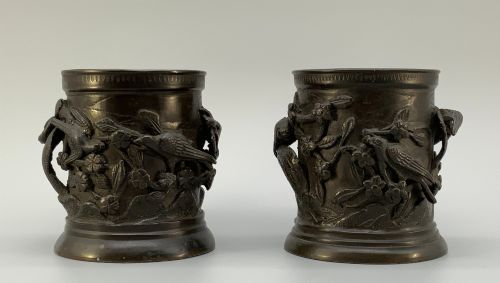
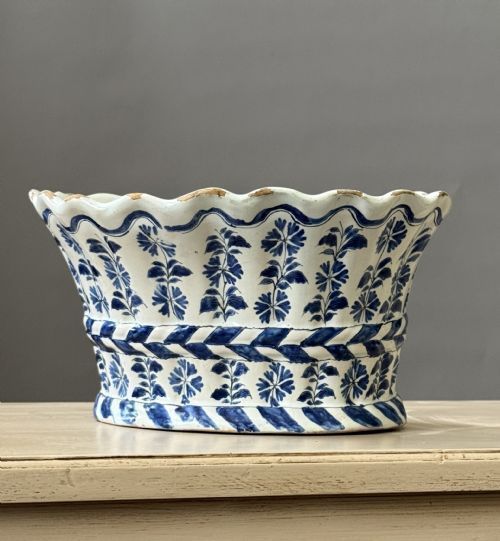
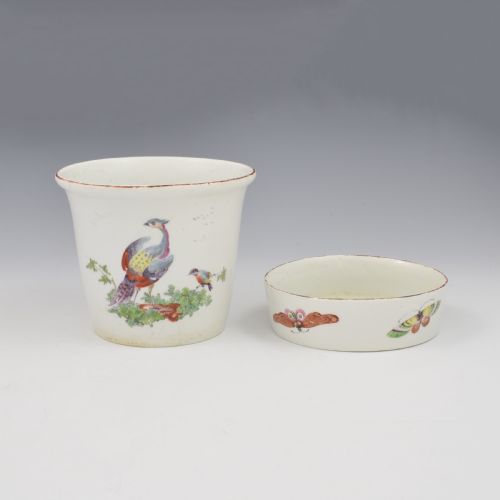
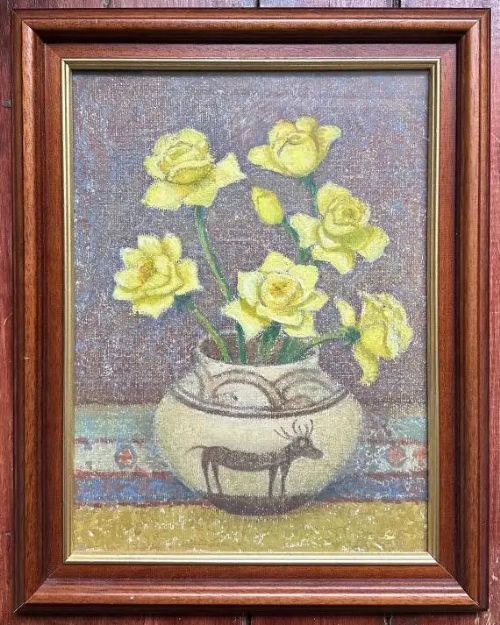
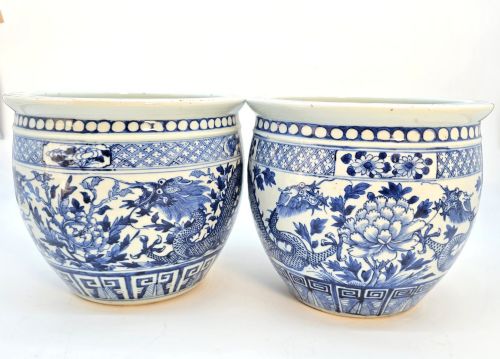
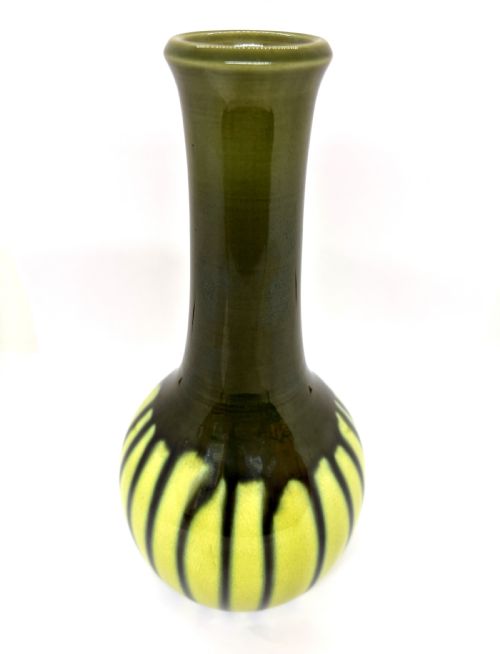
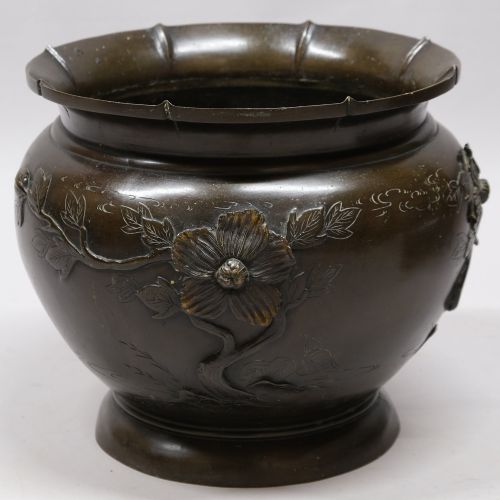
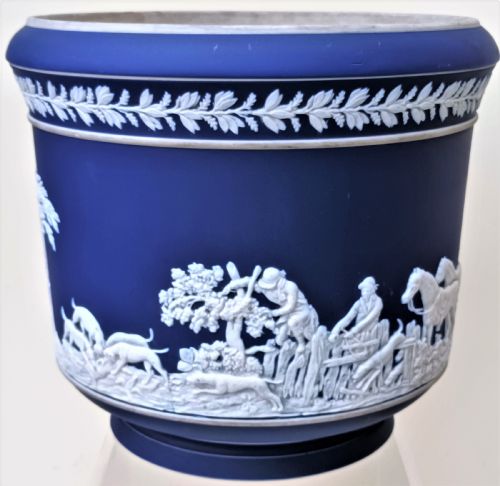
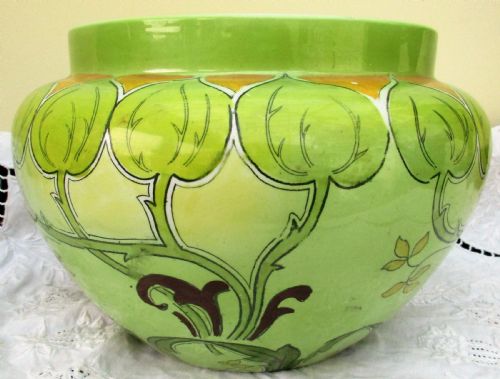
An antique flower pot encompasses a diverse group of vessels designed for indoor horticulture and botanical display, ranging from small ceramic posy vases to large copper and porcelain jardinières. When searching this phrase, a buyer encounters everything from nineteenth-century English earthenware cachepots to Meiji period Japanese bronze planters and eighteenth-century Delft bough pots.
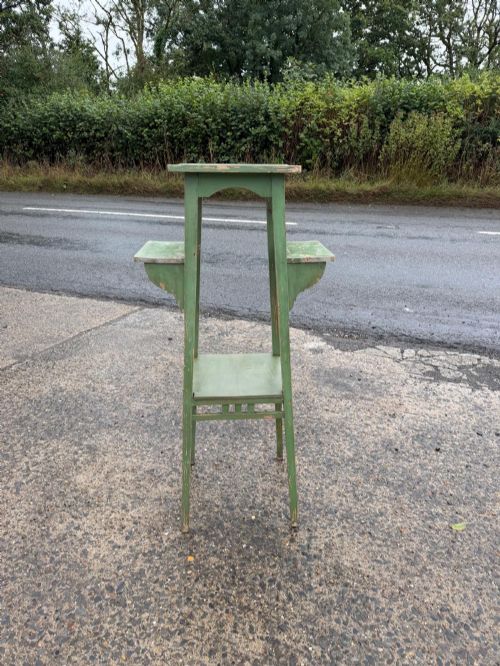
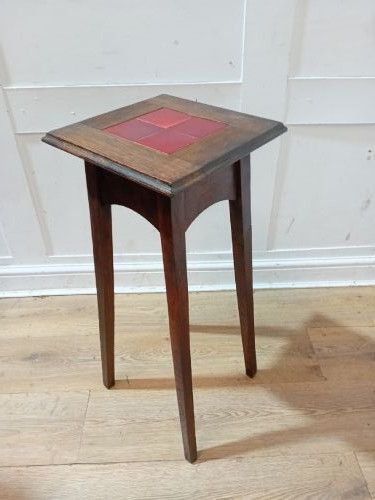
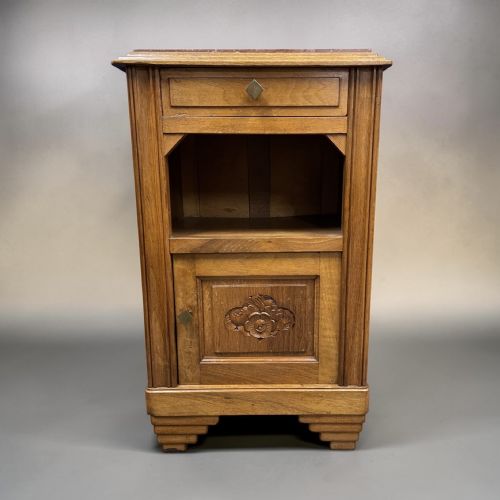
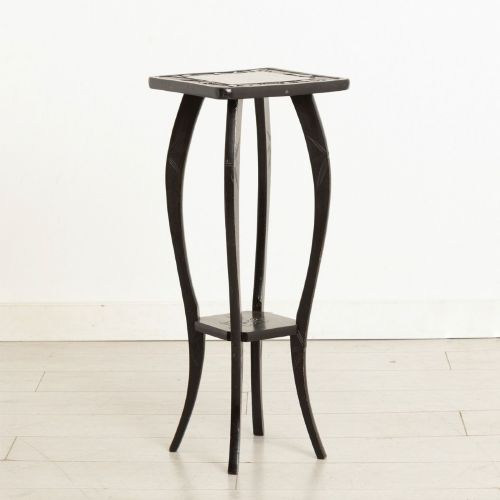
The objects frequently appear paired with matching stands or low tables carved from hardwood or formed from wrought iron, elevating the greenery above floor level. Domestic interiors from the Victorian, Edwardian and Arts and Crafts eras relied heavily on these containers to introduce nature into formal rooms through ferns, palms and floral arrangements.
How they were made
Pottery and porcelain examples utilise traditional throwing, moulding and slip-casting techniques, finished with polychrome glazes, transfer printing or hand-painted botanical motifs. Ceramic bodies span from soft-paste Derby porcelain and ironstone to heavy earthenware and salt-glazed stoneware.
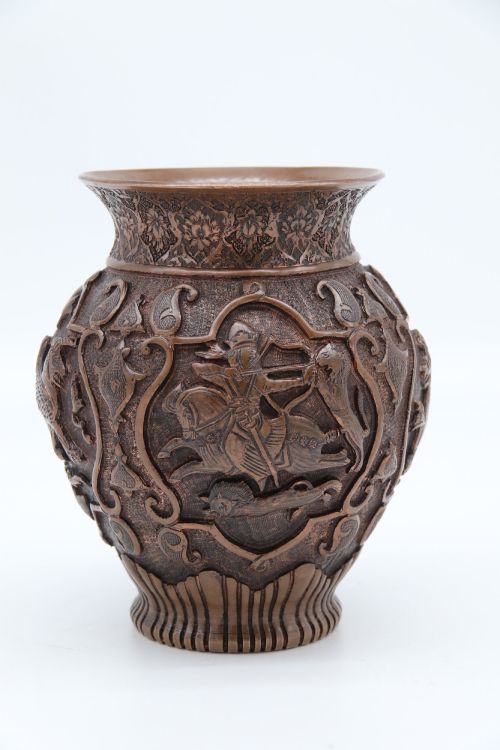
Metal vessels draw upon copper, brass and bronze, often shaped through hand-hammering, repoussé relief work or cloisonné enamelling. Artisans combined these metals with structural elements like original paint, marble inserts and carved hardwood stands to create durable display pieces.
Listings feature eighteenth-century Dutch Delft bough pots alongside nineteenth-century Japanese Meiji bronze jardinières and Edwardian ironstone posy vases.
What varies in quality
Quality rests upon the crispness of the hand-carved or hand-painted details, whether one examines the fine polychrome enamel work on Chinese Famille Rose porcelain or the precise hammering on an Arts and Crafts copper jardinière. Superior examples maintain their original matching stands, uncompromised glazes and intact structural hardware without modern replacements.
The reputation of the maker or pottery workshop heavily influences desirability, distinguishing standard factory-produced wares from signed studio pieces created by master artisans. Material weight, the depth of relief work and the preservation of original patination separate ordinary domestic vessels from collector-grade display items.
Liberty of London·William Adams and Sons·W A Adderley·Makuzu Kozan II·Royal Worcester·J Sankey and Sons·Enoch Wood and Sons·Doulton
The Antique Flower Pot Glossary
- Cachepot
- An ornamental flower pot used to conceal a plain inner growing pot without a drainage hole. The term translates from French as hiding pot.
- Bough pot
- A vessel specifically constructed for holding cut tree boughs or large floral displays during winter months. Eighteenth-century examples often feature compartmentalised lids to keep stems upright.
- Posy vase
- A small container intended for holding a short bunch or posy of gathered flowers. They appear frequently in nineteenth-century porcelain and stoneware.
- Repoussé
- A metalworking technique where an artisan hammers the metal from the reverse side to form a raised design in relief. This method is common on copper and brass vessels from the Arts and Crafts period.
- Imari
- A style of Japanese export porcelain decorated in underglaze blue, iron red, gold and supplementary colours. These pieces gained immense popularity across European interiors.
Antique Flower Pot: Frequently Asked Questions
What is the difference between a jardiniere and a cachepot?
A jardiniere generally functions as a large standalone vessel for displaying substantial plants, sometimes resting upon its own dedicated stand or table.
A cachepot is typically smaller and serves strictly as an outer decorative sleeve to hide a standard, utilitarian plant pot equipped with drainage holes.
How were antique flower pots used in Victorian homes?
Victorian interiors utilised these vessels to bring lush foliage and ferns indoors, placing them on specialised plant stands, pedestals, or tables in drawing rooms and conservatories.
They allowed households to display exotic plants safely away from cold window sills while protecting delicate furniture surfaces from water damage.
Can I plant directly into an antique ceramic flower pot?
Planting directly into antique earthenware or porcelain risks trapping moisture against porous ceramic bodies, which can cause cracking or stain the interior glazes over time.
Placing a modern plastic liner or a smaller potted plant inside the antique vessel prevents water damage and preserves the interior condition.
How do I identify an Arts and Crafts copper flower pot?
Arts and Crafts copper pots usually feature visible hand-hammered texturing, rivet construction, and stylised floral or geometric motifs inspired by nature.
They often bear patinated finishes ranging from bright polished metal to deep brown tones, reflecting honest craftsmanship over mass-produced uniformity.