





Exotic Bird Porcelain
These exotic bird porcelain pieces bring colourful avian painting to tables and cabinets, offering fine Regency and eighteenth-century ceramic artistry.
Exotic Bird Porcelain
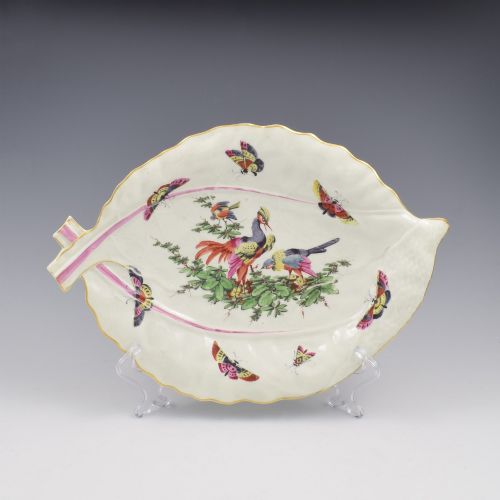
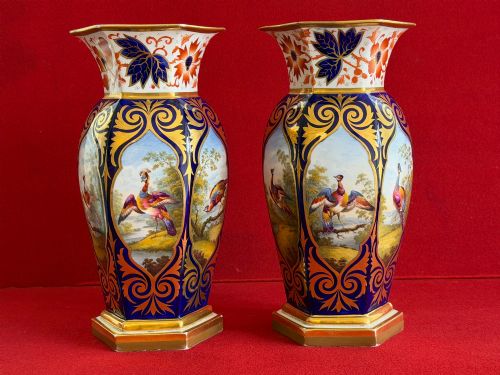
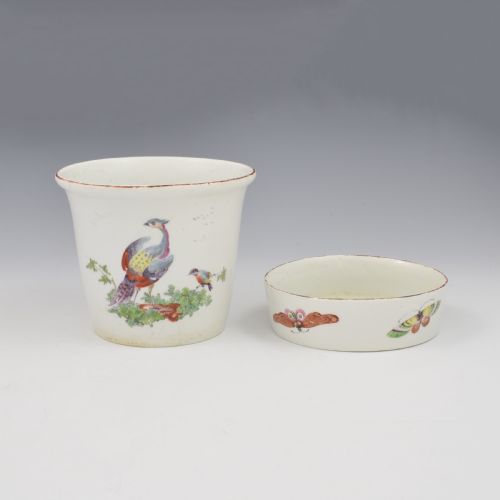
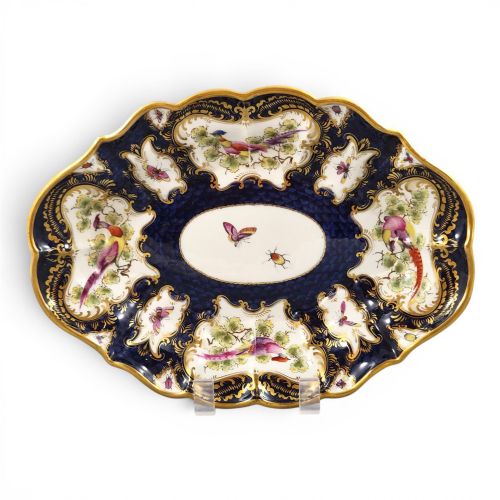
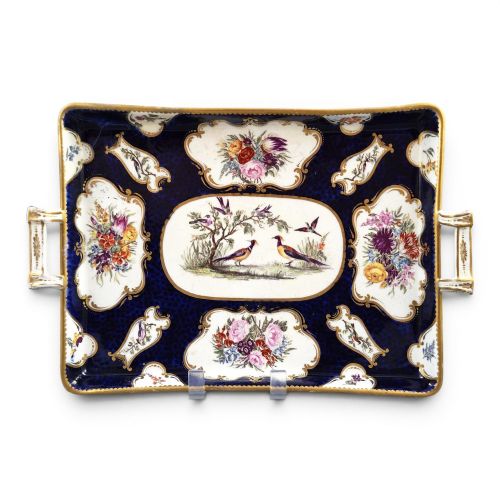
When you search for exotic bird porcelain, you are looking at plates, vases, dishes, and cachepots painted with feathered subjects. These items range from Georgian cabinet pieces and Derby flower pots to Edwardian chargers and Japanese Meiji plates.
The version you are most likely to meet on this page is nineteenth-century English porcelain, particularly Worcester wares influenced by eighteenth-century traditions. Continental factories such as Meissen also appear, alongside Samson copies and Booths items.
How they were made
Makers utilised soft-paste and hard-paste porcelain bodies, shaping them into plates, vases, and planters before applying polychrome painting. Overglaze enamels provided the vibrant plumage of the birds, often set against scale blue grounds.
Gold leaf and extensive gilding finished many of the surfaces, highlighting rims, handles, and panel borders. Some pieces involved intricate piercing, as seen in reticulated plates and cabinet dishes.
Exotic Bird Porcelain Retail Price Guide 2026
Typical asking prices for exotic bird porcelain among the pieces listed under this phrase on Sellingantiques today, from the lower quarter to the upper quarter. They describe what is for sale here now, not the wider market.
Listings feature porcelain from the eighteenth, nineteenth, and early twentieth centuries, spanning Georgian, Regency, Victorian, and Edwardian eras.
What varies in quality
The fineness of the hand-painted feather detail separates ordinary production from exceptional work. Expert artists rendered individual brushstrokes with precision, giving each bird lifelike character within its painted foliage.
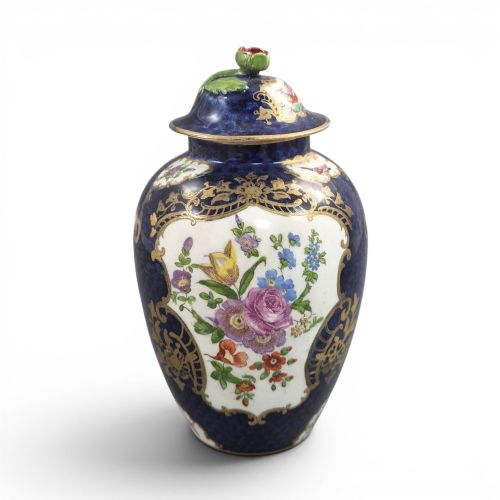
Ground colours and gilding application also set pieces apart. Rich, even scale blue grounds paired with crisp, well-preserved gold leaf indicate superior factory output.
Flight Barr & Barr·Dr Wall Worcester·Royal Worcester·Meissen·Samson of Paris·Mason·Chelsea Porcelain
The Exotic Bird Porcelain Glossary
- Soft-Paste Porcelain
- An early ceramic composition fired at lower temperatures than true hard-paste. It possesses a warm, slightly creamy body visible on eighteenth-century pieces.
- Overglaze Enamels
- Mineral colours applied over the fired glaze and refired to fuse them to the surface. This technique allowed for brilliant, varied palettes in avian painting.
- Scale Blue
- A dark blue patterned ground resembling fish scales, famously utilised at Worcester. It provided a rich background for reserved panels containing painted birds.
- Reticulated
- Having an openwork lattice or net-like pattern, often seen on borders of plates. This decorative piercing required high skill during the moulding and drying stages.
Exotic Bird Porcelain: Frequently Asked Questions
How should I display delicate porcelain plates?
These cabinet plates suit specialist wall hangers or sturdy display stands designed to support their weight safely. Keep them away from direct sunlight to preserve the vibrancy of the overglaze enamels.
Ensure they rest securely away from high-traffic areas where accidental knocks might occur. Rotating pieces occasionally prevents uneven exposure to light and dust accumulation.
Were these painted bird plates used for dining?
Many dessert dishes and cabinet plates were intended for formal dining or display during dessert courses. Wealthy households used them to present sweetmeats and fruit at the end of a meal.
Over time, collectors shifted these decorative items into display cabinets rather than active service. Surviving pieces often retain bright gilding because they avoided regular washing.
How do I distinguish eighteenth-century pieces from later copies?
Examine the paste body and glaze under magnification to check for the softness and translucency typical of early periods. Factory marks provide further clues, though many nineteenth-century makers paid homage to earlier styles.
Styles such as Rococo Revival and Regency help date nineteenth-century interpretations like those from Samson. Comparing painting technique against documented factory examples clarifies the timeline.