





Georgian Ceramic Pot
A georgian ceramic pot brings eighteenth and nineteenth-century craftsmanship directly to the table, offering utility alongside classic forms.
Georgian Ceramic Pot
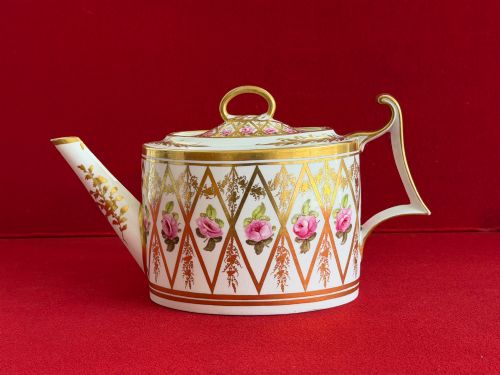
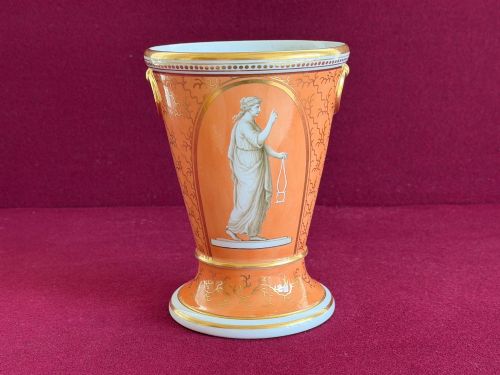
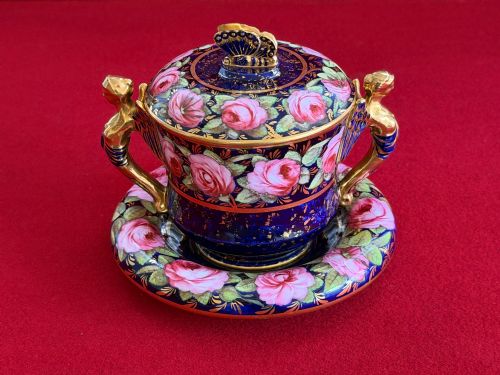
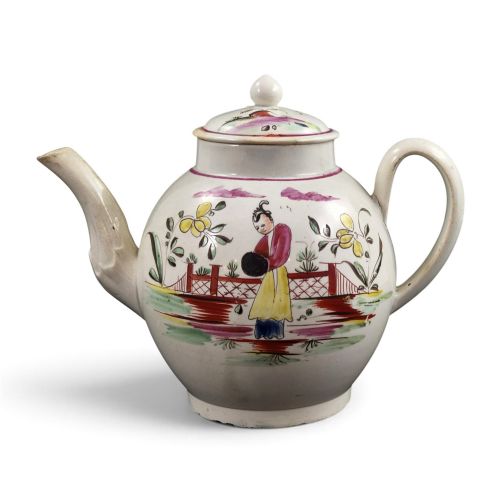
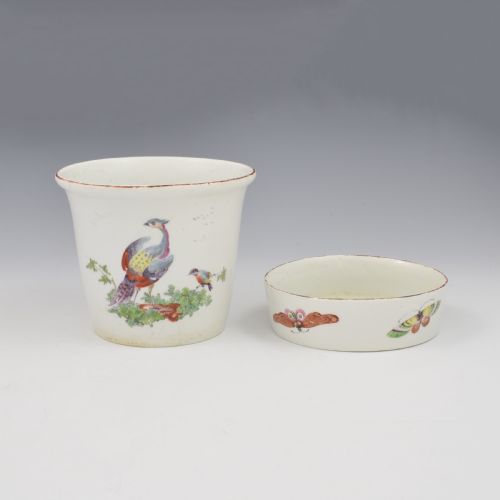
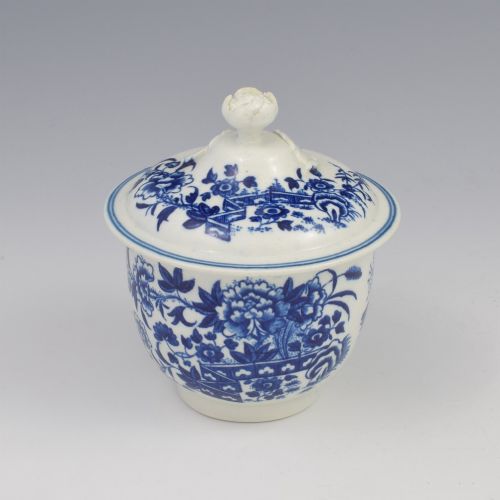
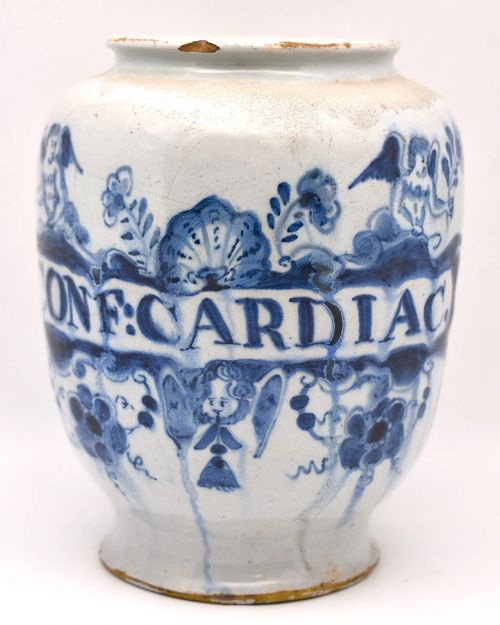
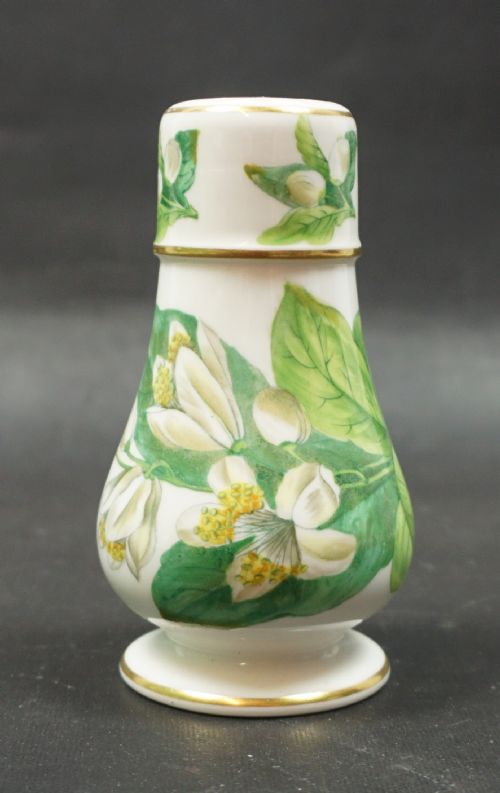
When you search for a georgian ceramic pot, you encounter an array of functional vessels spanning tea wares, jardinières, and apothecary jars. The selection leans heavily towards teapots, sugar bowls, and cachepots produced during the eighteenth and nineteenth centuries.
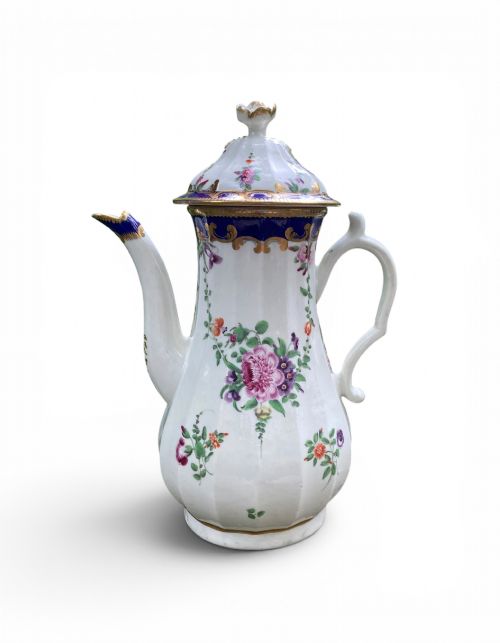
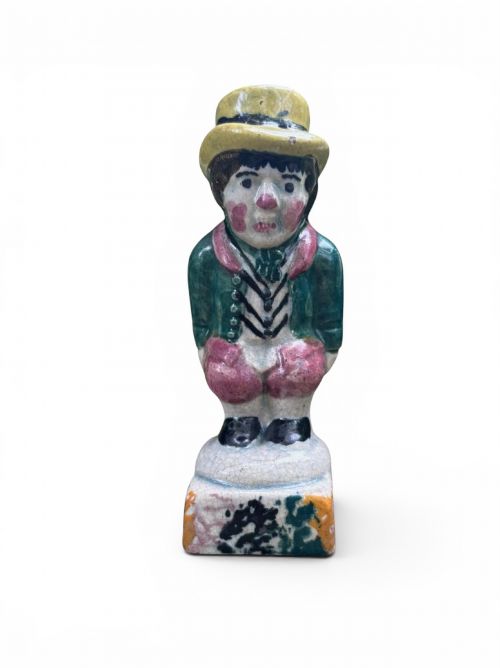
Makers and factories of this era produced diverse utilitarian objects, ranging from creamware and pearlware vessels to refined porcelain coffee pots. These domestic and decorative items reflect the shifting stylistic preferences of the Georgian and Regency periods.
Materials and Techniques
Potters utilised earthenware, soft-paste porcelain, and stone-based bodies to shape these vessels on the wheel or within moulds. Many pieces received tin glazes, lead glazes, or fine enamel decoration before undergoing kiln firing.
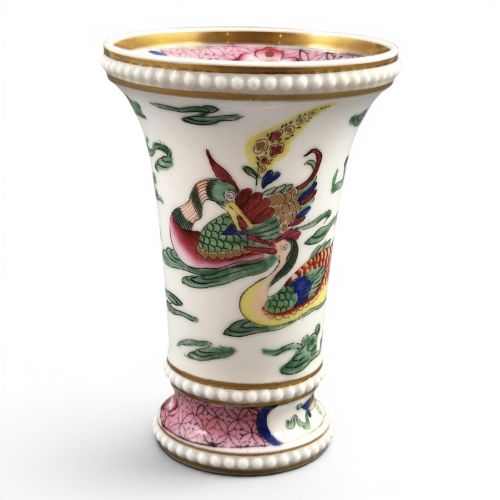
The application of gold leaf, underglaze blue painting, and transfer printing defined the surface ornamentation of porcelain and creamware items. Artisans combined meticulous brushwork with specialised glazes to achieve durable decorative finishes.
Listings feature periods spanning the Georgian era, Regency period, and the eighteenth to nineteenth centuries.
Markers of Quality
The sophistication of the painted or printed pattern and the precision of the moulding distinguish superior examples from standard production pieces. Finer pots display crisp details in handles, spouts, and relief decoration without heavy distortion.
The purity of the porcelain paste, the evenness of the glaze application, and the subtlety of enamel or gilt highlights indicate the standard of manufacture. Well-preserved painted scenes and clear factory marks elevate the standing of a vessel.
Derby Porcelain·Flight & Barr Worcester·Spode·Chamberlain Worcester·Enoch Wood & Sons
The Georgian Ceramic Pot Glossary
- Sucrier
- A small vessel designed to hold sugar at the tea table, often provided with a matching cover.
- Jardinière
- An ornamental pot or stand intended to hold plants or flowers within a domestic interior.
- Creamware
- A refined light-coloured earthenware developed in the eighteenth century, finished with a transparent lead glaze.
- Pearlware
- An improved fine earthenware featuring a slightly bluish glaze that enhanced the appearance of white ceramic bodies.
- Pounce pot
- A small container with a perforated top used for sprinkling powdered resin or cuttlefish bone onto wet ink.
Georgian Ceramic Pot: Frequently Asked Questions
How were these pots used?
These vessels served practical domestic functions such as brewing tea, storing dry goods, containing medicine, and housing indoor plants. Wealthy households displayed ornamental planters and pastille burners in reception rooms.
Over time, many of these utilitarian containers transitioned into decorative display items. Their dual role of utility and ornamentation made them central to daily domestic life.
How do I date a piece?
Dating relies on identifying specific ceramic bodies, factory marks, and stylistic indicators such as Regency motifs or eighteenth-century blue and white patterns. Changes in glaze chemistry and paste composition help narrow down the period of manufacture.
Comparing potting techniques and decorative styles against documented factory output provides a reliable chronological framework. Handle shapes and base traits also offer clues to the exact decade of production.
Where were they made?
Production centred in established ceramic hubs across England, notably Staffordshire and Worcester. Prominent factories and smaller workshops utilised local clays and imported materials to shape their wares.
Regional potteries developed distinct regional styles, from Welsh earthenware to London-distributed delftware. Each geographic centre contributed specific technical methods to the broader Georgian ceramic tradition.
How do I care for my pot?
Keep ceramic vessels away from direct sunlight and dramatic temperature fluctuations to protect delicate glazes and enamel decorations. Dust them gently with a soft cloth and avoid harsh chemical cleaners.
Display pots on stable surfaces where they will not be knocked or subjected to heavy vibrations. Hand-wash only when necessary, ensuring moisture does not penetrate unglazed ceramic bases.