

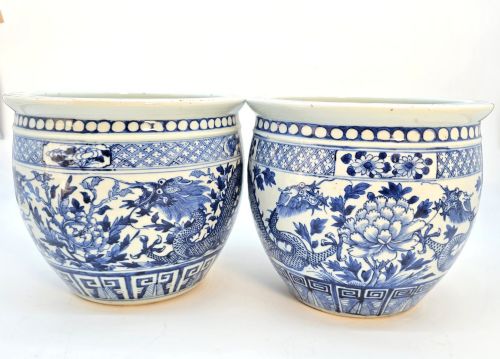


Hand Painted Cachepot
A hand painted cachepot holds a houseplant inside a decorative vessel, bringing colour and botanical life straight to a side table or mantelpiece.
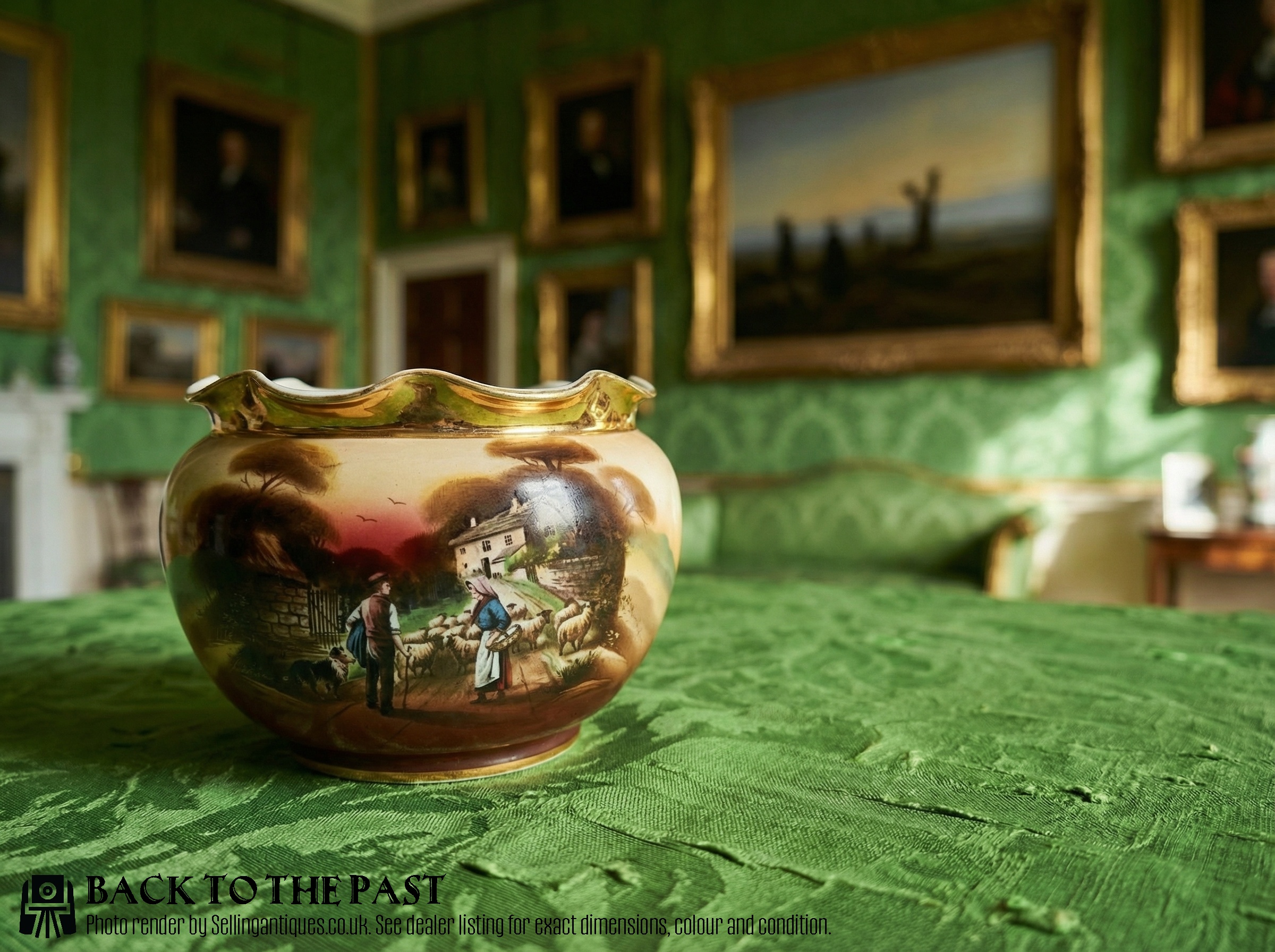
Hand Painted Cachepot
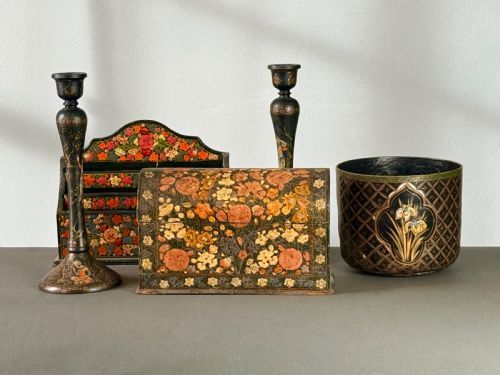
When you search for a hand painted cachepot, you encounter decorative vessels designed to sit beneath potted plants and catch excess water drainage. These items appear across various periods, from eighteenth century examples to pieces created through the nineteenth and twentieth centuries. The form bridges practical horticulture and interior decoration, providing a ceramic container that hides utilitarian plant pots.
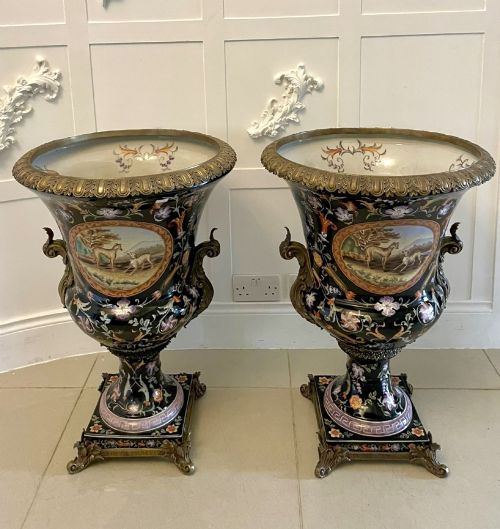
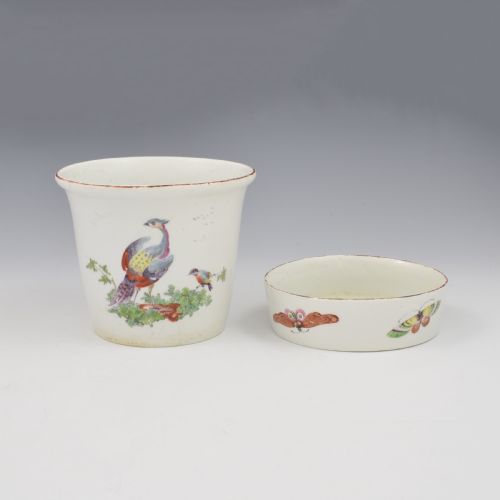
The selections available here span diverse international traditions, featuring Chinese export porcelain alongside English factories like Worcester and Derby. You will find forms ranging from traditional circular pots to hexagonal planters and bough pots with accompanying drip trays. Styles cross international boundaries too, taking in Japanese Imari motifs, Chinoiserie scenes, and European floral compositions.
How they were made
Makers shaped these objects from porcelain, earthenware, and ceramic bodies before applying detailed brushwork by hand. Cobalt underglaze, enamel pigments, and gold leaf gilding frequently provide the decorative surface layer above the glaze. Brass mounts also appear on select nineteenth century French urns, adding structural framing to the ceramic body.
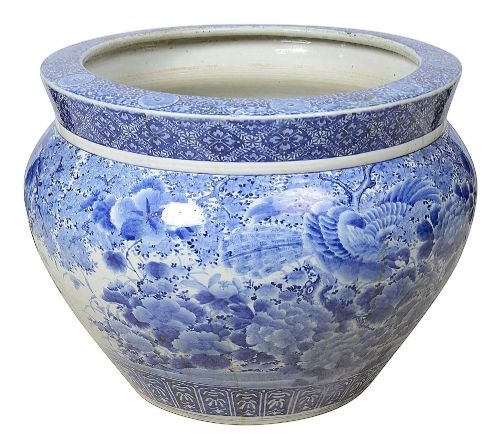
Techniques varied from the intricate hand painting found on English porcelain potting vessels to the bold blue and white designs of Japanese Arita Imari wares. Firing processes required precise kiln control to fix the enamel colours and secure the underlying glaze. Potters built these cachepots, jardinières, and planters to withstand moisture while displaying elaborate pictorial narratives or botanical studies.
What varies in quality
The refinement of the painted brushwork dictates much of the distinction between standard vessels and exceptional pieces. Crisp cobalt underglaze lines and carefully applied enamel pigments demonstrate superior workshop standards during the manufacturing process. Pieces bearing distinct factory marks or specific historical attribution carry greater certainty of origin.
The integrity of the ceramic body and the preservation of any supplementary gilding or brass mounts also separate different grades of items. Pots that retain their original matching drip trays or stands hold additional interest for collectors. The depth of the glaze and the complexity of the decorative scheme reflect the ambition of the original maker.
Barr Flight And Barr·Royal Worcester·Coalport·Dresden
The Hand Painted Cachepot Glossary
- Cachepot
- A decorative flower pot holder designed to conceal a plain inner plant pot. The French term translates literally as hide-pot.
- Jardiniere
- A large ornamental pot or stand for holding plants or flowers. These vessels often sit directly on the floor or a dedicated pedestal.
- Imari
- A style of Japanese porcelain decorated in underglaze blue, iron red, and gold. European factories frequently copied these distinct patterns during the eighteenth century.
- Faience
- Tin-glazed earthenware produced in Europe, particularly associated with French and continental workshops. The opaque white glaze provides a smooth ground for painted decoration.
- Bough pot
- A specialised vessel equipped with a pierced cover designed to hold cut branches or flower arrangements. Georgian examples often take distinctive urn or rectangular shapes.
Hand Painted Cachepot: Frequently Asked Questions
What is a cachepot used for?
A cachepot serves to hold a potted plant inside a decorative exterior vessel without direct planting in soil. This setup protects furniture surfaces from moisture while hiding standard plastic or terracotta garden pots.
Historically, these containers allowed homeowners to bring flowering plants indoors for display in parlours and drawing rooms. The vessel catches any water that drains through the inner pot after watering.
How do I date an antique cachepot?
Dating relies on examining the ceramic paste, glaze characteristics, and any factory marks stamped or painted on the base. Stylistic clues such as Chinoiserie motifs or Regency shapes also point toward specific manufacturing decades.
Comparing the painting technique against known examples from factories helps narrow down the period of production. Eighteenth century pieces often show different potting weights and glaze pooling compared to later nineteenth century items.
What is the difference between a cachepot and a jardiniere?
A cachepot is typically smaller and designed specifically to hide an individual flower pot sitting inside it. A jardiniere often functions as a larger centrepiece vessel where plants may be potted directly.
In practice, historical cataloguing terms often overlap between these planter styles. Both categories share the primary purpose of bringing botanical display into interior spaces.
How should I clean an antique ceramic planter?
Cleaning requires gentle dusting with a soft dry cloth to remove surface particles from the painted or glazed exterior. Avoid abrasive cleaning materials that might scratch the glaze or wear away delicate enamel and gilding.
If moisture collects inside, wipe the ceramic interior thoroughly rather than submerging the entire piece in water. Taking care with old surfaces preserves the original hand painted decoration for the future.