


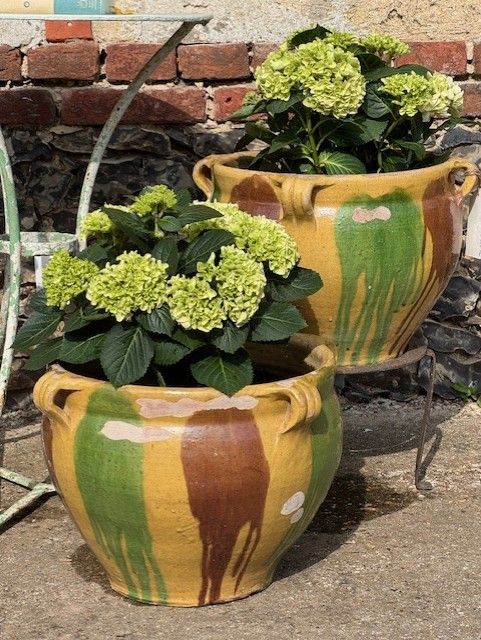


Glazed Earthenware Planter
A glazed earthenware planter brings organic texture to interiors, uniting practical planting with historic ceramic artistry.
Glazed Earthenware Planter
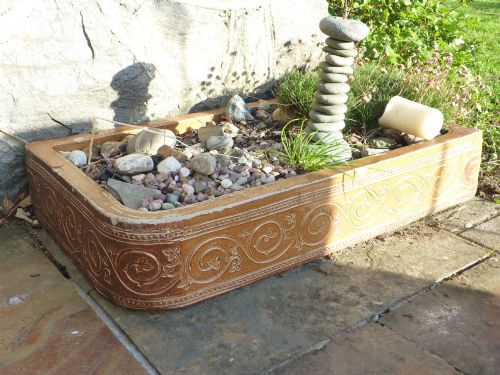
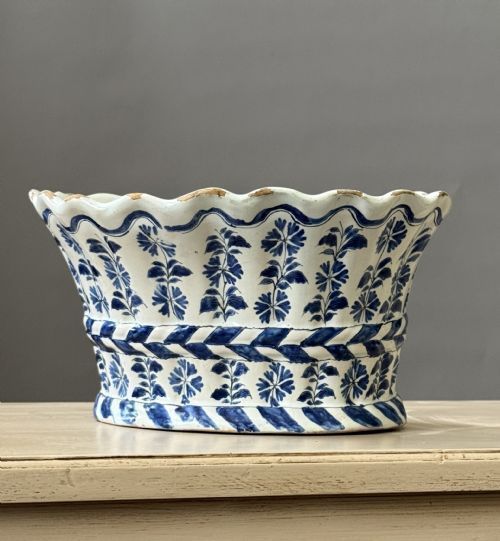
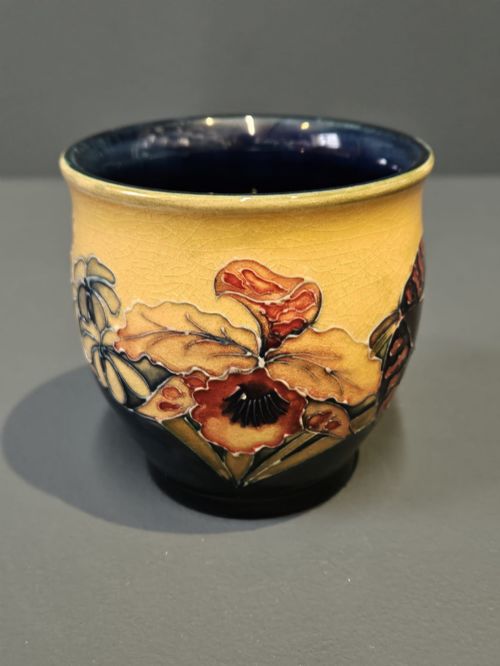
A glazed earthenware planter encompasses vessels designed to hold growing plants, spanning utilitarian crocks, garden urns, and decorative jardinieres on matching stands. When you search for a glazed earthenware planter, you encounter British Victorian majolica, French country terracotta, and early tin-glazed vessels from the eighteenth and nineteenth centuries.
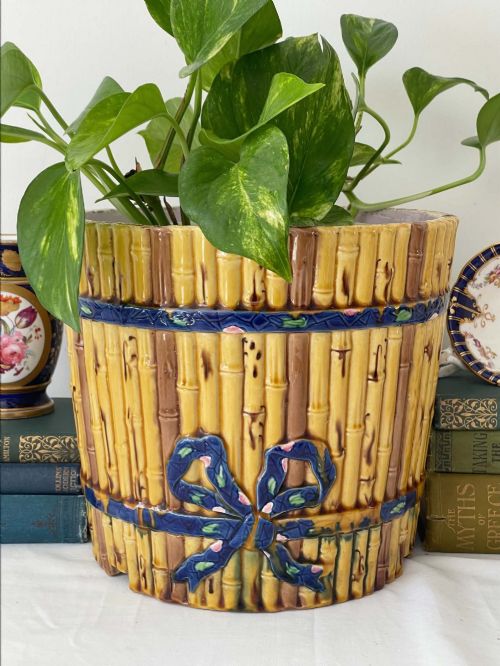
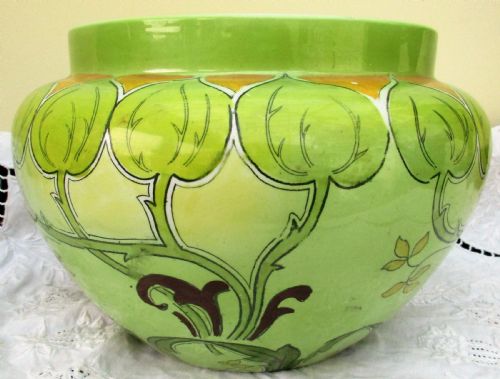
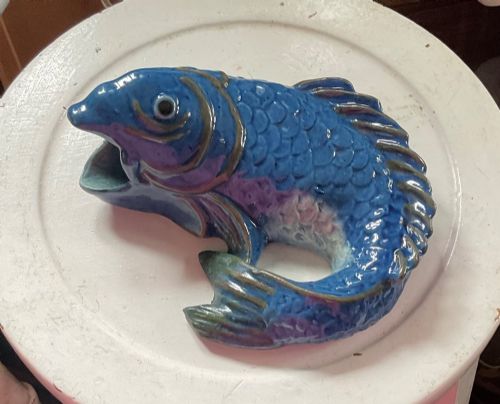
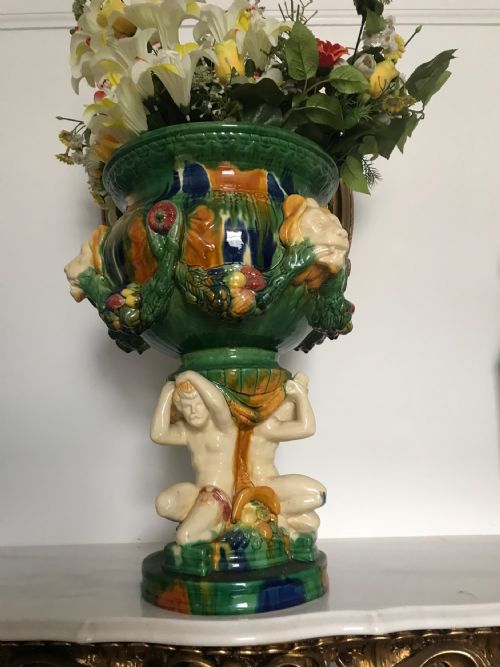
The objects take many forms, including wall pockets, bough pots, and large floor-standing jardinieres decorated with figural bases, animal motifs, or bamboo moulding. Most examples date from the nineteenth century, reflecting periods such as the Victorian, Edwardian, Art Nouveau, and Arts and Crafts movements.
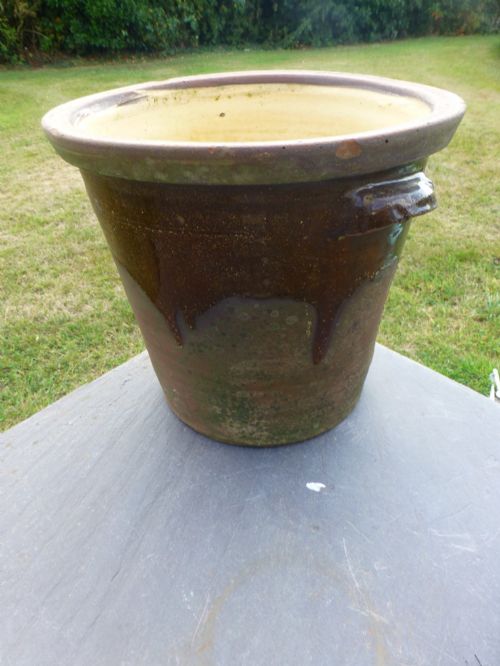
Makers and potteries ranging from Doulton to Minton shaped these ceramics using rich colour glazes, from dripped French slips to glossy majolica finishes. Buyers find everything from rustic dairy salting crocks repurposed for foliage to elaborate moulded cachepots designed for formal drawing rooms.
How They Were Made
Potters shaped local clays by hand or on a wheel, later firing the bodies to create porous earthenware or denser terracotta before applying liquid glazes. Tin-glazes, salt-glazes, and vibrant lead-based majolica colours were then fused to the surface during subsequent kiln firings.
Decoration involved hand-painted pigments, slip trailing, and press-moulded relief details such as lions' heads, botanical ferns, and geometric Art Nouveau patterns. Certain French and English potteries employed specialised drip-glaze techniques or iridescent lustre finishes to achieve variegated surface textures.
Cats peer from ceramic wall pockets alongside botanical ferns and bamboo.
What Varies in Quality
Quality rests on the crispness of the moulded relief and the depth of the glaze application, where richer colour combinations and well-defined botanical or animal motifs indicate superior production. Pieces designed by notable artist-potters or produced by leading ceramic works display finer artistic execution in hand-painted details.
The survival of original matching pedestals and stands often elevates a piece, as complete sets require careful preservation over generations. The complexity of the firing technique, from controlled lustre effects to complex multi-fired majolica, separates standard utilitarian wares from ambitious exhibition pieces.
W.A. Adderley·Lauder Pottery·Clement Massier·Julius Dressler·Linthorpe Pottery·Royal Worcester·Minton·Doulton Lambeth·George Jones
The Glazed Earthenware Planter Glossary
- Majolica
- A type of earthenware coated with an opaque tin glaze and painted with metallic oxide colours. It gained immense popularity during the Victorian era for its bright palette and botanical relief moulding.
- Jardiniere
- A large ornamental pot or stand used to hold growing plants or flowers. These vessels often sit on matching pedestals in interior settings.
- Tin-Glazed Earthenware
- Pottery covered with a lead glaze made opaque by the addition of tin oxide. This technique provided a smooth white background for painted decoration on early continental and English vessels.
- Terracotta
- Fired unglazed or glazed clay of a brownish-red colour. It was frequently utilised for garden urns, confit jars, and large planters due to its durability.
- Wall Pocket
- A flat-backed ceramic vessel designed to be hung directly on a vertical surface to hold floral arrangements or trailing plants.
Glazed Earthenware Planter: Frequently Asked Questions
How do I care for antique planters?
Line the interior with a modern plastic pot rather than planting directly into the historic earthenware. This prevents moisture from seeping through porous ceramic bodies and damaging the antique glazes.
Dust the exterior gently with a dry cloth and avoid harsh chemical cleaners. Keep them away from freezing temperatures if displayed in unheated spaces during winter.
What is the difference between a jardiniere and a planter?
A jardiniere traditionally refers to an ornamental indoor ceramic pot, frequently resting on a matching pedestal stand. The term planter is a broader category that includes both indoor decorative vessels and heavy outdoor garden urns.
Both terms describe vessels intended to hold vegetation, though jardinieres tend to feature more elaborate artistic glazes and sculptural moulding.
How can I date an earthenware planter?
Examine the base for impressed factory marks, registration numbers, or artist signatures that indicate specific production decades. Stylistic clues such as Victorian Gothic revival motifs or flowing Art Nouveau lines also help narrow the manufacturing period.
Inspect the fabric of the clay and the wear on the underside. Older pieces often show characteristic crazing in the glaze and natural manufacturing imperfections.
Can these planters be used outdoors?
Most antique earthenware and majolica pieces were designed primarily for indoor or conservatory use. Exposing porous historical ceramics to frost and freezing rain risks cracking the clay body.
Sheltered garden rooms or indoor orangeries provide a safe environment for displaying antique terracotta and glazed vessels without risking weather damage.