




Polychrome Ceramic Planter
These polychrome ceramic planter examples bring rich painted colour to interiors through centuries of global ceramic tradition.
Polychrome Ceramic Planter
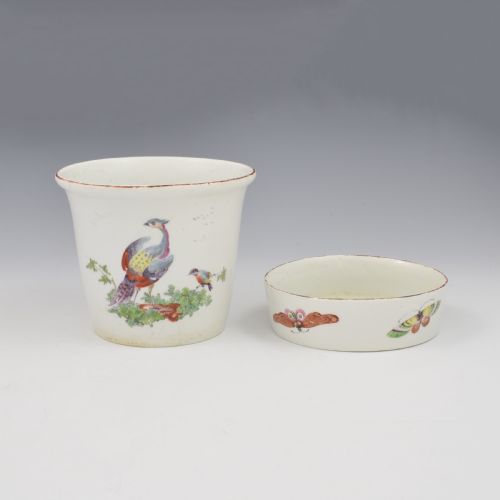
A polychrome ceramic planter is a vessel designed to house plants or display cut blooms, finished in multiple painted colours. The selections here span the eighteenth century to the early twentieth century, taking forms such as jardinières, cachepots, and bough pots.
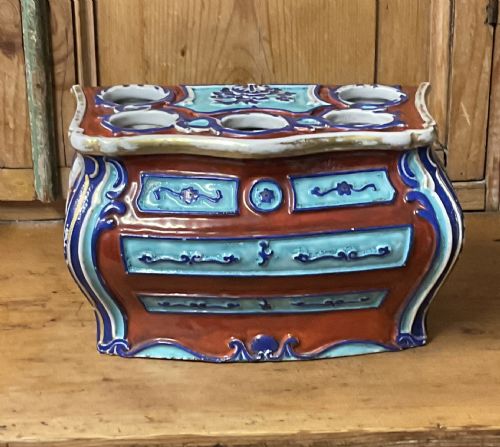
You will encounter pieces originating from English porcelain works, Chinese export kilns, Japanese Satsuma workshops, and European factories. Their shapes range from lobbed rectangular bowls and bombe forms to campana vases and figural flower carts.
The decorative styles applied to these forms cover Rococo Revival, Chinese Qing Dynasty, Meiji Period, Spanish Folk Art, and Victorian tastes. Each vessel reflects the distinct firing techniques and aesthetic priorities of its regional origin and period.
Materials and construction methods
Makers shaped these pieces from earthenware, terracotta, soft-paste porcelain, and hard-paste porcelain. The bodies were formed by throwing on a wheel, pressing in moulds, or hand-building before undergoing an initial kiln firing to create a stable ceramic biscuit.
Applied decoration relied on hand-painted enamel colours and underglaze pigments. Many examples received supplementary embellishments in the form of gold leaf or surface gilding to highlight raised motifs and borders.
Among the ceramic vessels sit pottery cat wall pockets, proving that historic decorators enjoyed feline utility as much as floral display.
Judging execution and finish
Quality rests in the precision of the hand-painted enamel work and the crispness of the moulded or thrown ceramic body. Superior pieces demonstrate steady brushwork and secure adherence of gilding to the glazed surface.
The complexity of the form and the depth of the palette dictate the standard of the manufacture. Pieces with sophisticated multi-tiered firing processes and balanced composition sit at the higher end of the range.
Kister Scheibe-Alsbach Thuringia
The Polychrome Ceramic Planter Glossary
- Jardinière
- A large ornamental pot or stand for holding flowers or plants. They frequently sit on low feet and display detailed painting across their outer walls.
- Cachepot
- An ornamental container designed to hide an ordinary flowerpot. This French term translates literally as hide-pot.
- Bough pot
- A vessel specifically constructed for holding cut tree boughs or large floral arrangements. They often feature pierced covers to keep stems in place.
- Soft-paste porcelain
- A ceramic material composed of clay and glass frit, fired at lower temperatures than hard-paste porcelain. It produces a slightly warmer tone and softer glaze appearance.
- Famille Rose
- A palette of opaque enamels dominated by pink, introduced to Chinese export porcelain during the Qing Dynasty. The style spread rapidly across European and Asian markets.
Polychrome Ceramic Planter: Frequently Asked Questions
How were these planters used?
These vessels held potted plants or served as water-tight containers for cut stems within formal rooms. Many acted as decorative centrepieces on tables or hearths.
Larger jardinères stood directly on the floor or on dedicated pedestals. Their primary function was to introduce living greenery and painted colour into domestic interiors.
Where should I place a jardiniere?
Jardinères suit side tables, windowsills, or entrance halls where their painted surfaces catch natural light. They function effectively as standalone sculptural objects or filled with greenery.
When using antique vessels for live planting, insert a modern plastic liner to protect the historic ceramic body from moisture damage.
How do I date these ceramics?
Dating relies on stylistic markers, paste composition, and painted motifs characteristic of specific periods like the Qing Dynasty or the Victorian era. Base characteristics and glaze traits offer further clues.
Comparing potting techniques and enamel palettes against documented factory outputs helps narrow down the decade of manufacture.
What is the difference between earthenware and porcelain?
Earthenware is a porous, lower-fired ceramic that requires glazing to become water-tight. Porcelain is dense, vitrified, and fired at much higher temperatures.
Porcelain rings when struck and does not absorb liquids even unglazed, whereas earthenware remains opaque and softer in structure.