
Gilt Ceramic Bowl
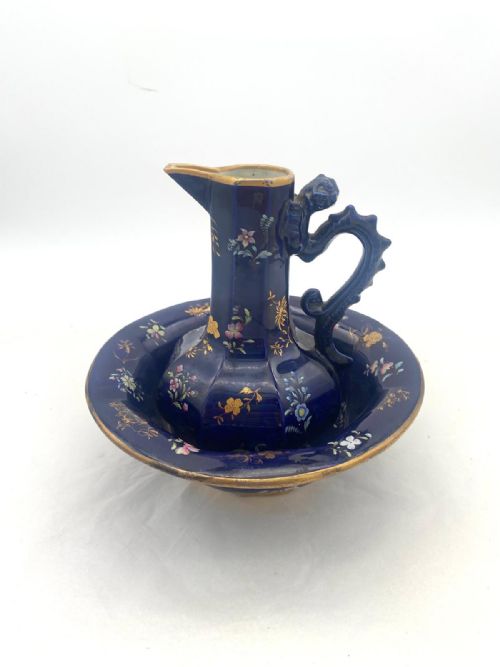
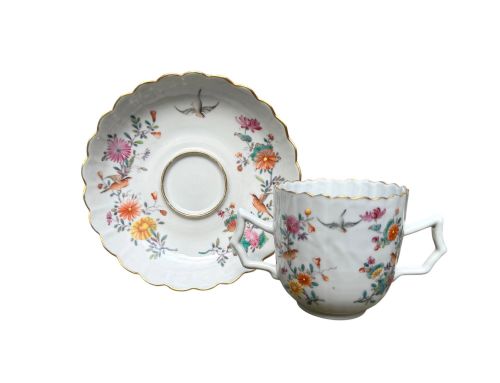
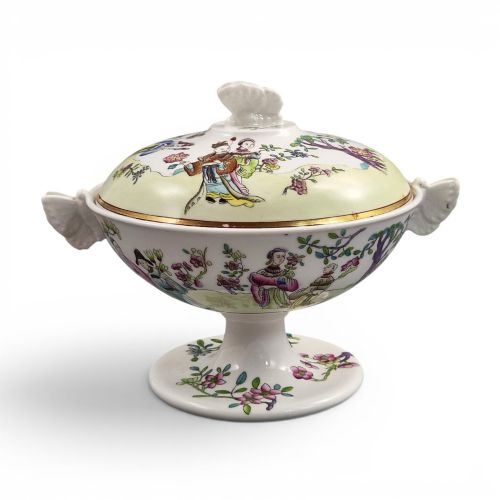
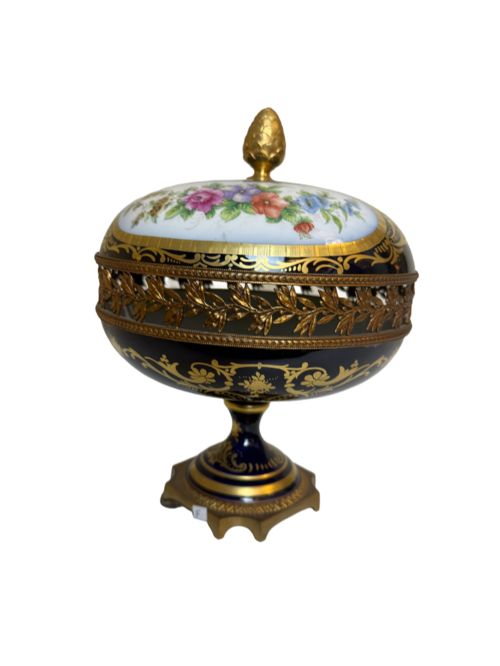
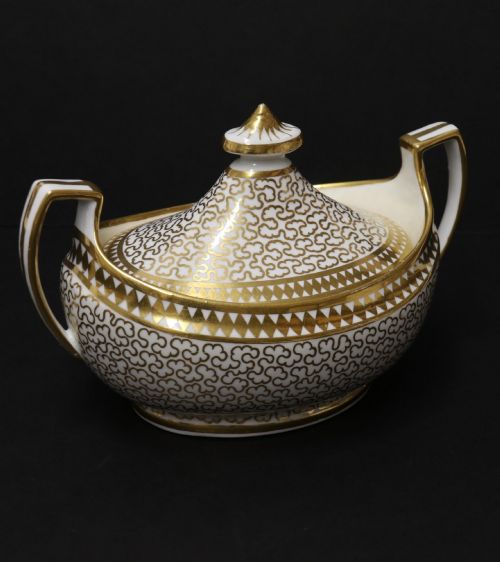
A gilt ceramic bowl brings metallic sheen and painted ceramic forms together on the table, spanning English, European and Asian traditions.
Gilt Ceramic Bowl
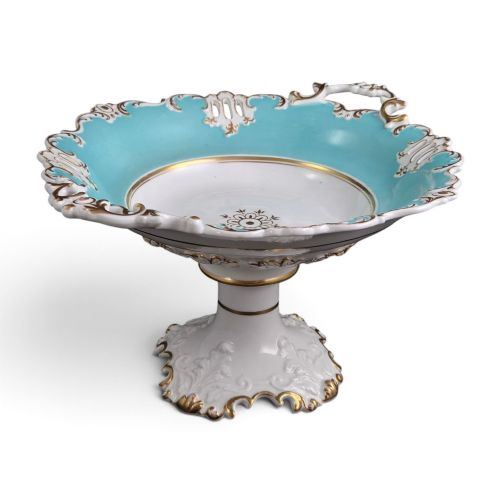
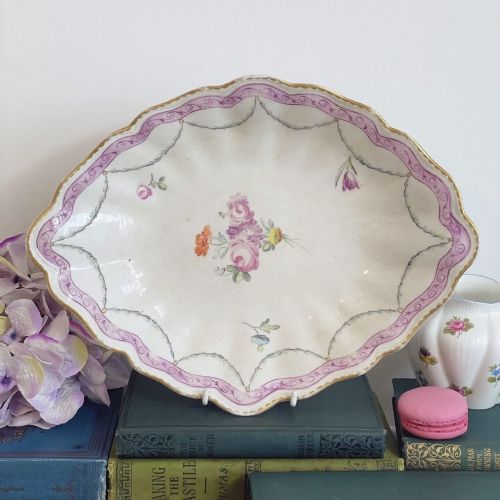
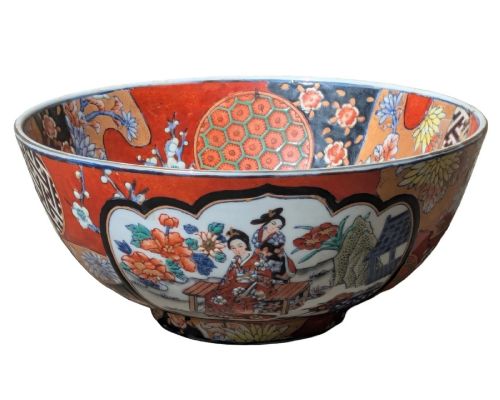
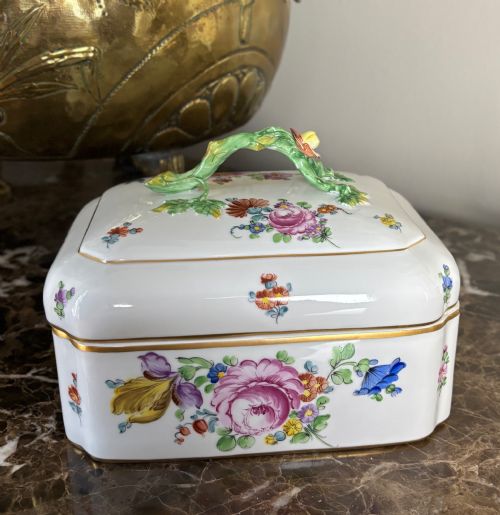
When you search for a gilt ceramic bowl, you encounter a range of tablewares, decorative dishes, sugar bowls, centrepieces and footed vessels produced across the eighteenth, nineteenth and early twentieth centuries. These forms serve functional and display purposes, originating from English potteries, European porcelain houses and Asian kilns.
The most common examples on this page are nineteenth-century English and European porcelain items, including bone china tazzas, covered sucriers and cabinet dishes. Pieces span Georgian, Victorian, Edwardian and Meiji periods, incorporating styles from Rococo Revival and Regency to Japanese Imari and Chinese export designs.
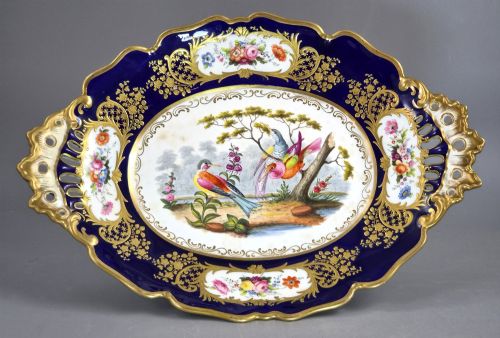
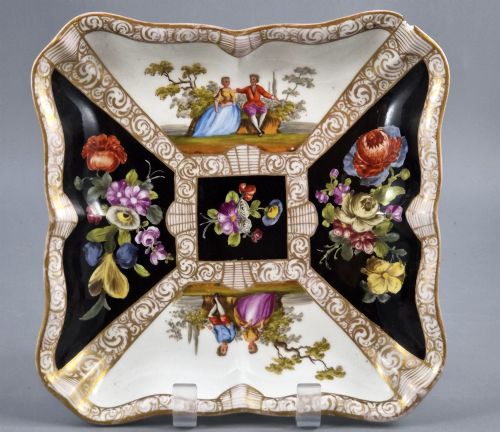
Vessels take many shapes, from deep footed bowls and lidded potpourri jars to octagonal dishes and oval serving platters. Some pieces incorporate handles or stands, while others form part of larger tea services or dessert sets.
How they were made
Potters shaped bodies from porcelain, bone china, ironstone or earthenware before applying glazes and hand-painted or transfer-printed decoration. Enamel colours and underglaze pigments formed the pictorial scenes, floral sprays and geometric borders.
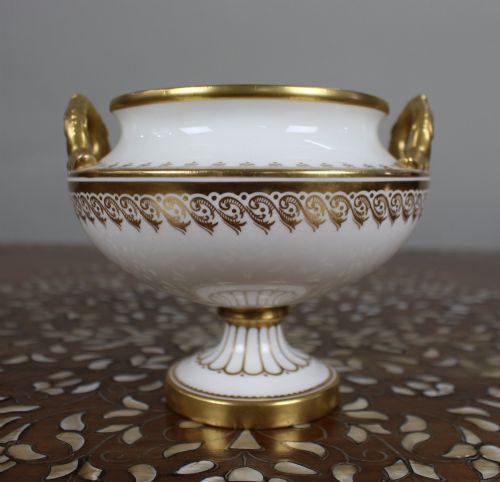
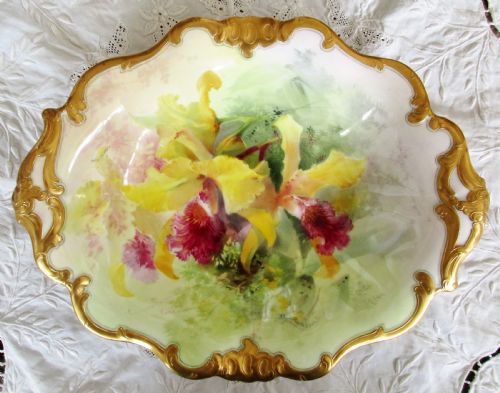
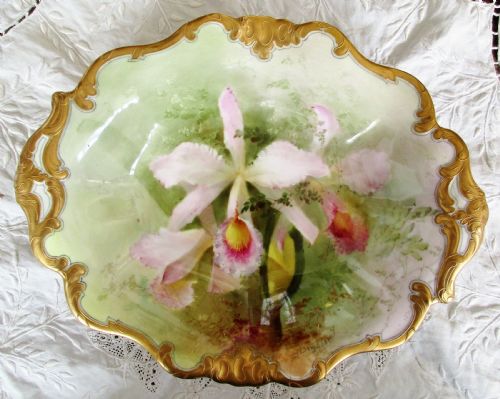
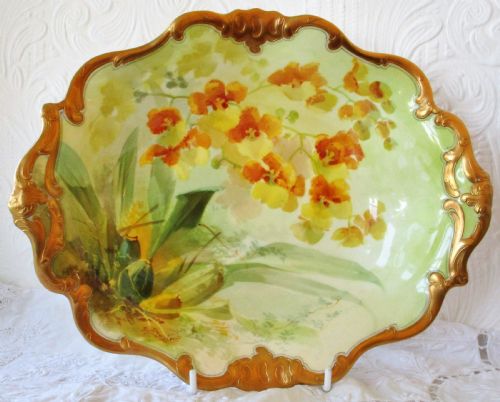
Gilding and gold leaf were applied by hand to rims, handles and raised motifs, then fired in a kiln to bond the metal to the ceramic surface. Additional mounts in gilt bronze or ormolu appear on select French and Cantonese centrepieces.
Certain nineteenth-century porcelain bowls arrive accompanied by butterfly handles and hand-painted orchids.
What varies in quality
Quality rests in the precision of the hand-painting, the clarity of the polychrome enamel work and the weight and purity of the porcelain body. Superior examples display crisp detail in figural scenes, floral motifs and landscape panels executed by named artists or established manufactories.
The application of the gilding distinguishes standard production from exceptional pieces, showing smooth, burnished gold rather than flat or rubbed metallic paint. Well-preserved surfaces retain the integrity of the gold leaf and enamel without heavy loss from wear or improper cleaning.
Coalport·Derby·Meissen·Sèvres·Spode·Limoges·Chamberlains Worcester·Royal Doulton·Wedgwood·Dresden·Mintons·Crown Derby·Paul Müller Selb·Doulton Burslem
The Gilt Ceramic Bowl Glossary
- Bone china
- A type of porcelain containing bone ash, developed in England to create a strong, translucent body suitable for refined tableware and detailed gilding.
- Felspar porcelain
- An innovative ceramic body introduced by Spode in the nineteenth century, incorporating felspar to improve durability and whiteness.
- Imari
- A style of Japanese export porcelain characterised by underglaze blue, iron red and abundant gold highlights, widely emulated by European factories.
- Sucrier
- A small lidded sugar bowl designed for tea service use, frequently ornamented with gilt handles and painted floral or landscape panels.
- Tazza
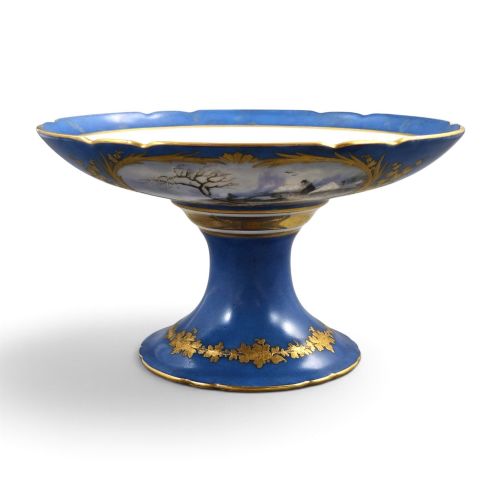
- An elevated decorative bowl or shallow dish mounted on a central foot or pedestal, used historically for serving sweets or fruit.
- Champlevé enamel
- A technique where troughs are carved into a metal surface and filled with vitreous enamel paste before firing, seen on French mounts.
Gilt Ceramic Bowl: Frequently Asked Questions
How do I clean a gilt ceramic bowl?
Clean these pieces gently using a soft, dry cloth or a feather duster to remove surface dust without abrasive contact.
Avoid immersing antique items in water or using harsh chemical detergents, as moisture and scrubbing can damage delicate enamel work and wear away aged gilding.
Are these bowls safe for food use?
Most antique and vintage vessels on this page serve primarily as decorative cabinet pieces, centrepieces or display dishes rather than active tableware.
Historic glazes and gold leaf applications may contain materials not rated for modern culinary use, making dry display the preferred method of enjoyment.
How do I date a porcelain bowl?
Examine the base of the vessel for factory marks, impressed stamps, painted ciphers or pattern numbers that correspond to known production periods.
Consider the manufacturing technique, ceramic body type and stylistic influences, such as Regency or Rococo Revival, to narrow down the decade of creation.
What is the difference between porcelain and ironstone?
Porcelain is a vitrified ceramic material known for its fine grain, translucency and delicate appearance when held to the light.
Ironstone is a heavy, opaque earthenware developed for durability, resulting in thicker walls and greater resistance to everyday wear.