






Cream Earthenware Basin
These cream earthenware basin options bring genuine utilitarian history to the interior, offering robust ceramic construction suited for display or practical service.
Cream Earthenware Basin
A cream earthenware basin represents the practical domestic ceramics produced across the nineteenth and early twentieth centuries. These vessels served functional roles in dairies, washstands, and kitchens before finding appreciation as decorative items.
The selections available here range from utilitarian dairy bowls and country pottery to decorative Satsuma wares and sanitaryware sets. English country pieces and Japanese imports sit side by side in this category.
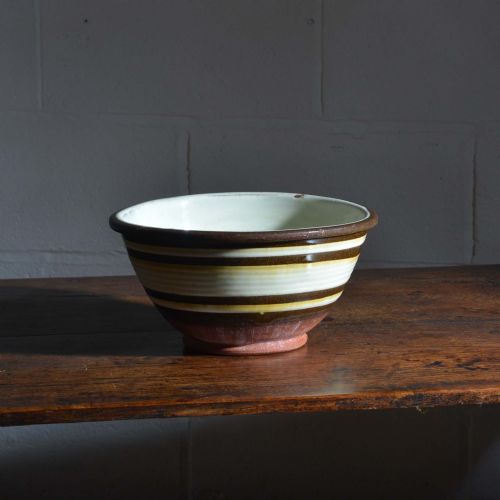
Buyers will encounter items spanning the Victorian, Edwardian, and Meiji periods. Plain glazed interiors, slip decoration, and spongeware patterns define the core of the physical forms.
How they were made
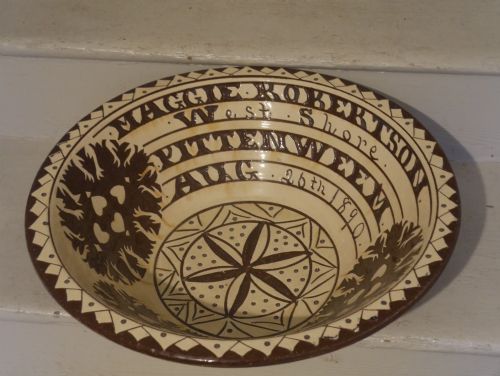
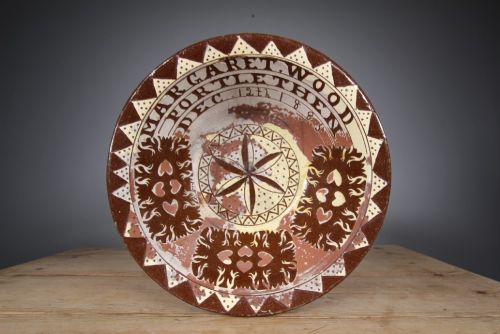
Potters shaped these vessels from earthenware and terracotta clays, applying lead or slip glazes to seal the interior surfaces for liquid containment. Glaze application varied from simple dipped finishes to brushed slip patterns.
Decoration on specific examples includes enamel paints and gold leaf accents applied over the fired body. Kiln techniques from both British country potteries and Japanese studios determined the final tone of the creamware.
Listings combine nineteenth-century British country pottery, including slipware and spongeware, alongside Japanese Satsuma ceramics from the Meiji period.
What varies in quality
Quality rests in the crispness of the thrown form and the stability of the glazed interior surface. Potteries such as Seaton or regional country kilns produced robust wares where durability dictated the standard.
Artistic execution divides utilitarian kitchenware from decorative pieces featuring signed panels or detailed enamel work. The weight of the earthenware and the evenness of the glaze separation distinguish standard domestic output from notable studio production.
Seaton Pottery·Mann And Co·Ryuzan·Nikko·Mark Jones And Sons·Shozan
The Cream Earthenware Basin Glossary
- Creamware
- A refined earthenware with a pale yellowish lead glaze developed in the eighteenth century. It became the standard ceramic body for British tableware and sanitary items.
- Slip
- Liquid clay used to coat or decorate pottery before firing. It creates contrasting surface patterns when applied under or over the glaze.
- Terracotta
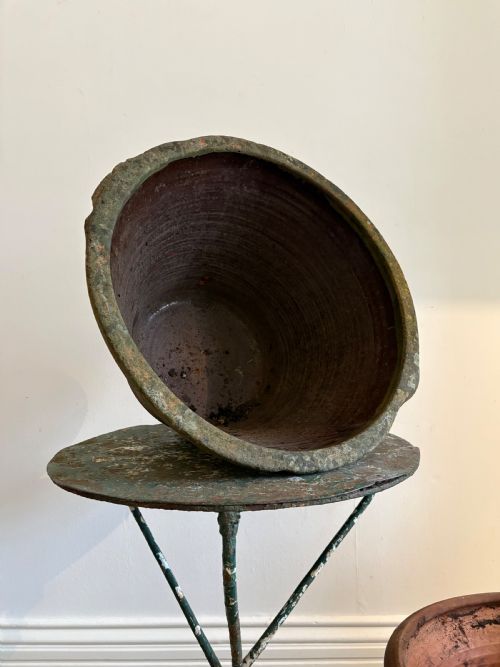
- Unglazed or clear-glazed fired clay of a brownish-red colour. It provides a porous, heavy body frequently utilised for large dairy and garden vessels.
- Spongeware
- Pottery decorated by dabbing pigment onto the biscuit or glazed surface using a sponge. This technique produced speckled, mottled patterns common on nineteenth-century domestic bowls.
Cream Earthenware Basin: Frequently Asked Questions
What were dairy bowls used for?
Dairy bowls held milk during the creaming process on nineteenth-century farms. Their wide, shallow forms allowed cream to rise efficiently to the surface for skimming.
Today, these robust earthenware vessels function well as decorative centrepieces or fruit bowls in country-style interiors.
How do I care for antique earthenware?
Wash antique earthenware by hand using warm water and mild soap. Avoid soaking porous bodies or using mechanical dishwashers that might craze the glaze.
Display the pieces away from areas subject to sudden temperature shifts to protect the historical ceramic structure.
What is the difference between creamware and terracotta?
Creamware utilises a refined, lighter-firing clay body finished with a pale transparent glaze. Terracotta employs a coarser, reddish-brown clay body that often remains partially unglazed.
Both materials were utilised for utilitarian kitchen and dairy vessels throughout the nineteenth century.
Can I use these basins for daily washing?
While these basins served practical sanitary and dairy roles originally, age can render the historical glaze vulnerable to modern acids and staining. Treat them primarily as decorative objects or gentle display pieces.
Reserved handling preserves the integrity of the nineteenth-century surfaces.