

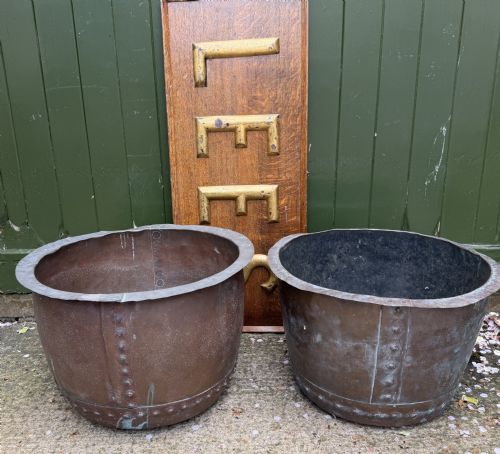


Copper Boiler Planter
A copper boiler planter brings industrial warmth and weathered patina to a garden or hearth, turning old wash vessels and cauldrons into statement containers.
Copper Boiler Planter
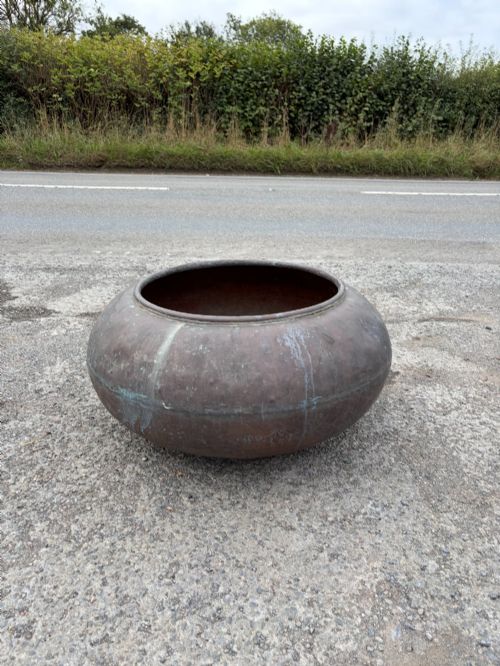
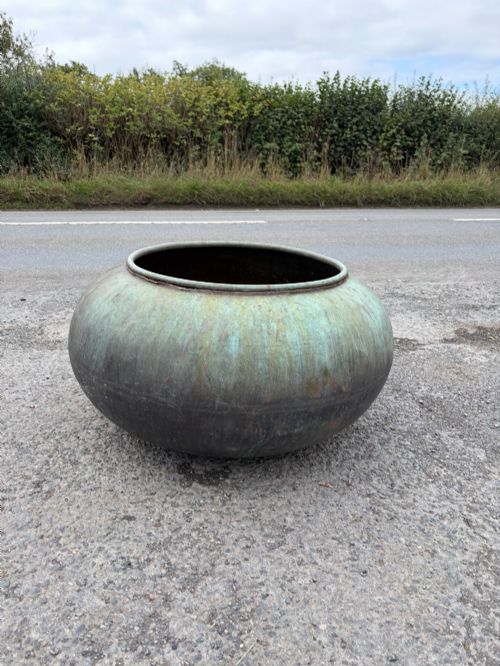
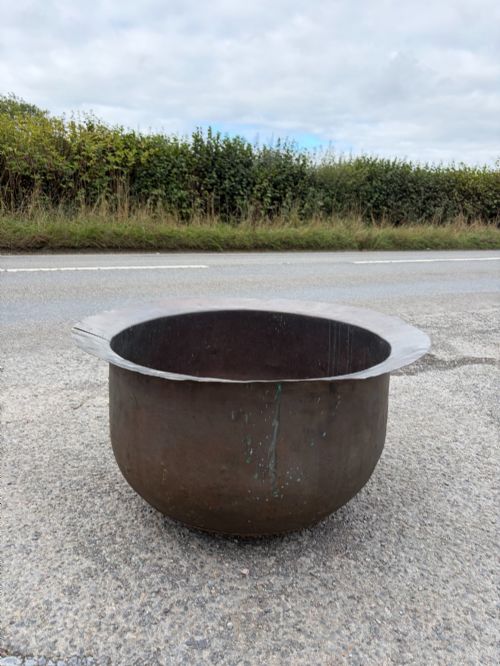
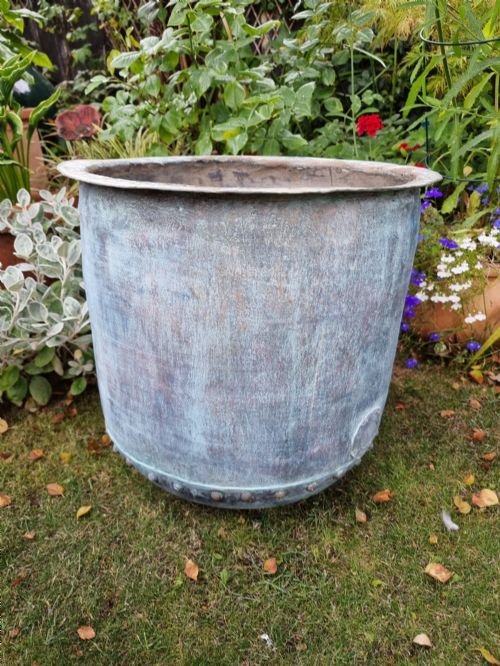
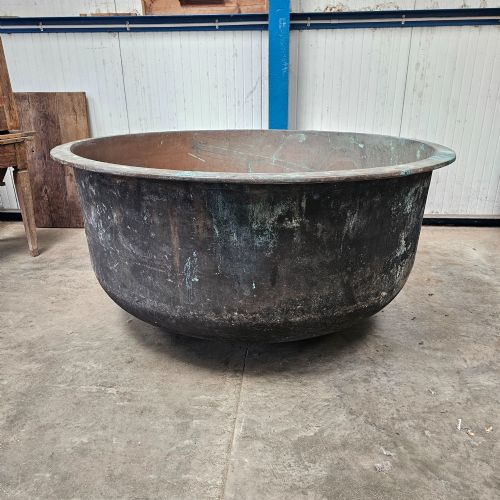
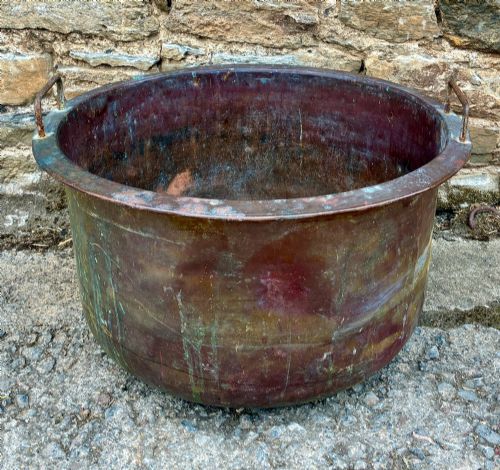
A copper boiler planter is typically a repurposed utilitarian vessel, taking the form of large pots, wash tubs, cauldrons, cheese vats, and cooking vessels originally made for domestic or agricultural work. These heavy metal containers now serve as substantial garden planters and indoor log bins.
The pieces span several periods, drawing heavily from the nineteenth century, Victorian era, and Georgian times. You encounter items like riveted boilers and French garden display pots that carry deep historical character into modern spaces.
These items transition easily from practical utility to decorative display. Their generous scale accommodates substantial plants, small trees, or stacks of firewood.
How they were made
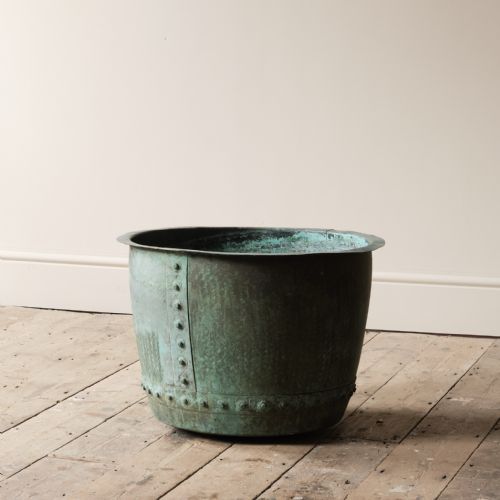
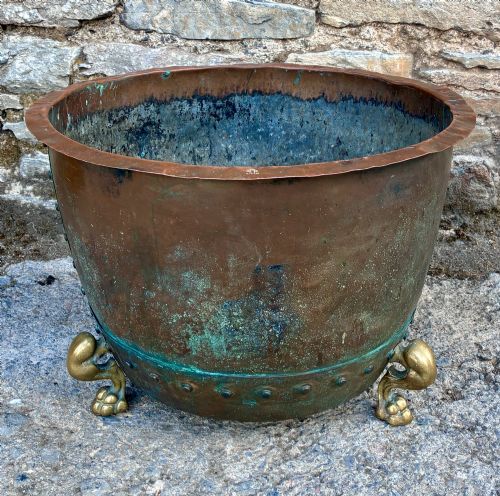
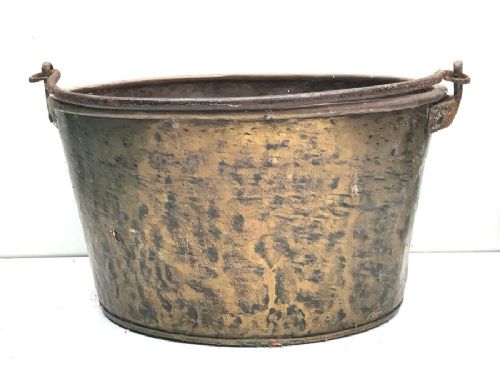
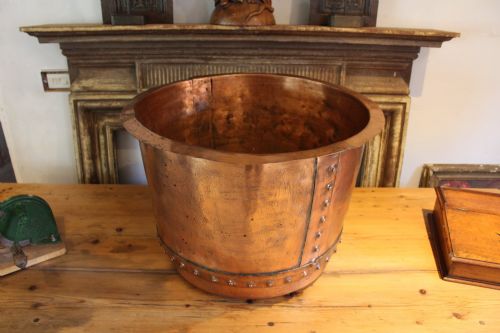
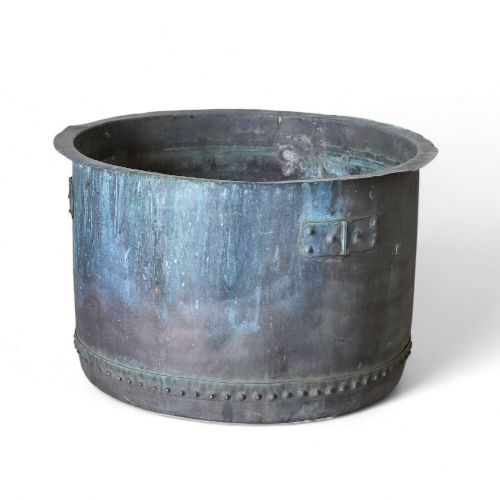
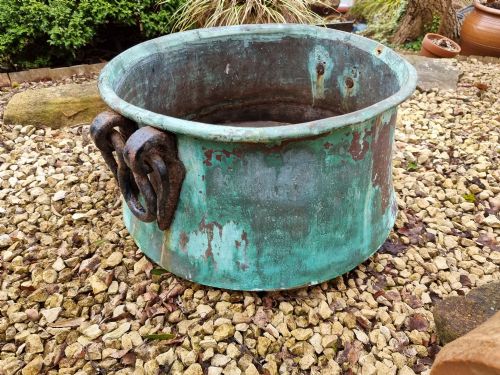
The construction relies heavily on hammered or sheet copper joined with visible hand-riveted seams, giving each vessel structural strength and a distinct industrial texture. Many examples incorporate robust iron, wrought iron, or cast iron components, particularly in their swing handles and rims.
Makers shaped the metal by hand, heating and beating copper sheets to form deep circular bodies. Surfaces developed natural patinas, verdigris finishes, and traces of old paint through prolonged exposure to heat, weather, and active use.
Several vessels retain the faint scars of nineteenth-century wash fires, having traded suds for soil after a very long retirement.
What varies in quality
Quality rests in the integrity of the metalwork, the presence of original riveted joints, and the character of the surface wear. Vessels that retain their original wrought iron swing handles and structural fittings command stronger presence.
The depth of the natural patina and the presence of stable verdigris distinguish a visually rich piece from a plain surface. Substantial gauge copper maintains its form better under the weight of soil and moisture.
The Copper Boiler Planter Glossary
- Boiler
- A large metal vessel originally designed for heating water or boiling laundry. In modern settings, it functions as a deep planter or log bin.
- Verdigris
- The green patina that forms naturally on copper through long-term exposure to weather and oxidation. This surface layer adds significant visual age and colour variation.
- Cauldron
- A large round pot or kettle, typically featuring a swing handle and heavy metal construction. These deep vessels provide generous capacity for planting.
- Patina
- The surface sheen and colour acquired by copper and iron through age and use. Good patina shows history without masking the underlying metal.
- Riveted
- Joined together using metal bolts or pins hammered flat at the ends. This technique secures overlapping copper sheets along the side seams.
Copper Boiler Planter: Frequently Asked Questions
How do I use a copper boiler planter?
These vessels suit large indoor house plants, small courtyard trees, or fireside log storage.
Their heavy construction holds substantial weight, making them stable floor pieces for living rooms, hallways, or sheltered patios.
Can I leave copper planters outside?
Copper withstands outdoor weather well, naturally developing further verdigris and darkening in tone over the seasons.
Ensure adequate drainage if planting directly, or use an inner pot to protect the historic metal from constant moisture.
How do I identify a Victorian copper planter?
Victorian examples often feature hand-riveted copper bodies paired with iron handles and utilitarian forms. Look for nineteenth-century manufacturing marks and traditional construction methods.
These pieces typically started life as wash coppers, cooking vessels, or large domestic boilers before finding new life as planters.
What is a French copper cheese vat?
French cheese vats are large, deep agricultural vessels traditionally used in cheese making. Their expansive proportions make them striking garden display pots.
They share the heavy riveted construction and warm metal tones seen in British copper boilers.