
19th Century Copper Vessel
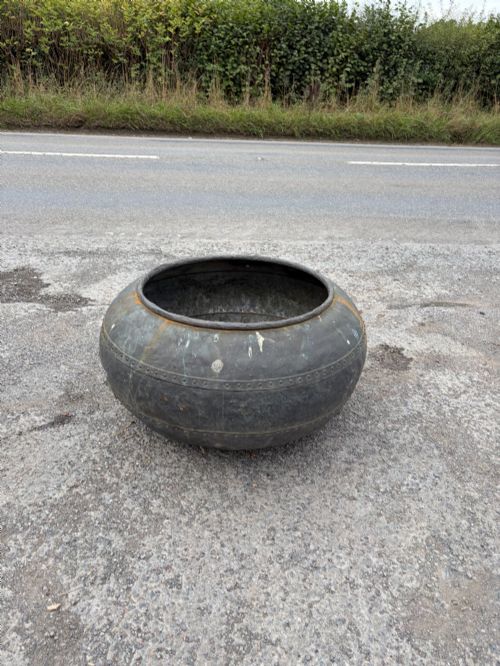
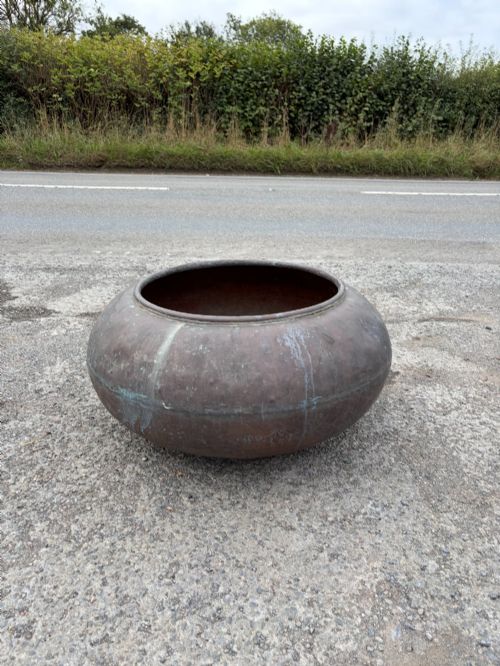
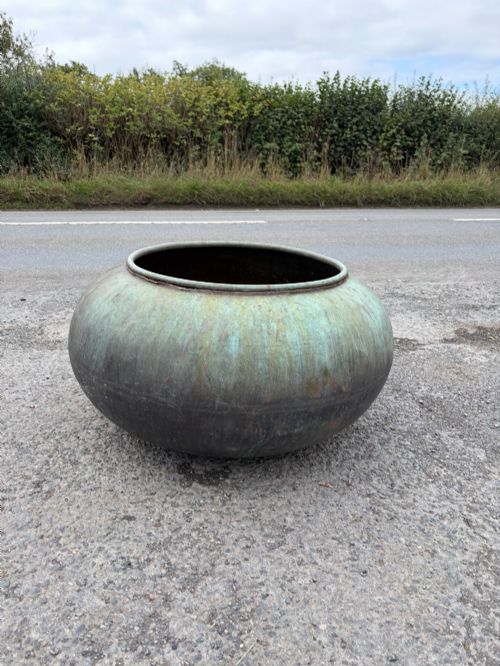
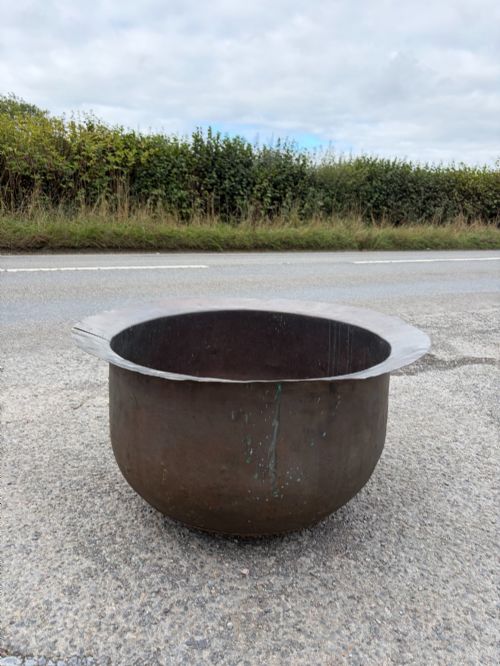
A 19th century copper vessel brings warmth and heavy utility into a modern room, forged to hold logs, plants or water.
What these vessels are
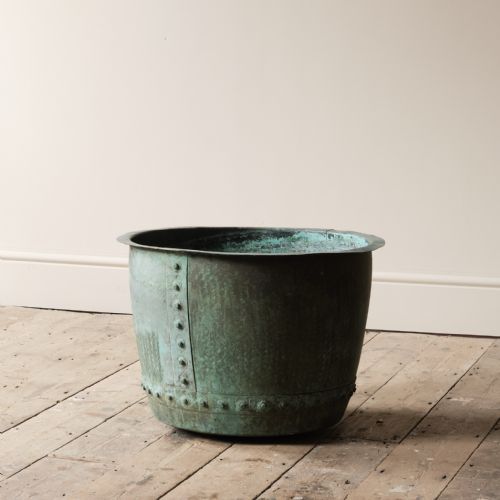
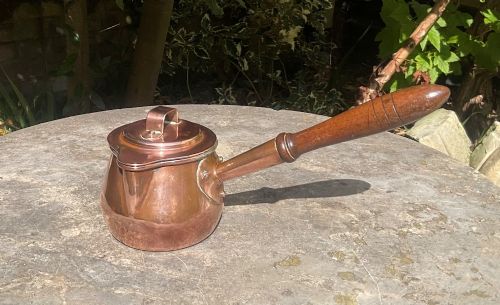
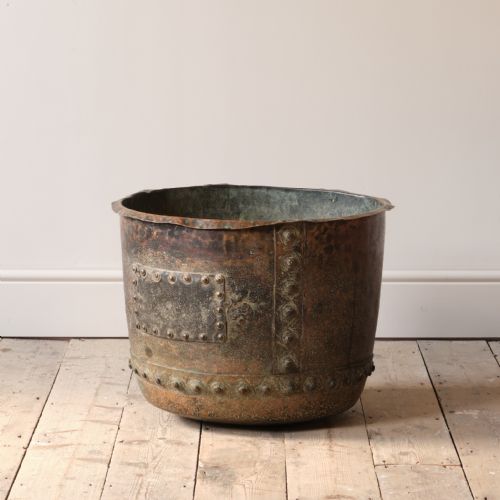
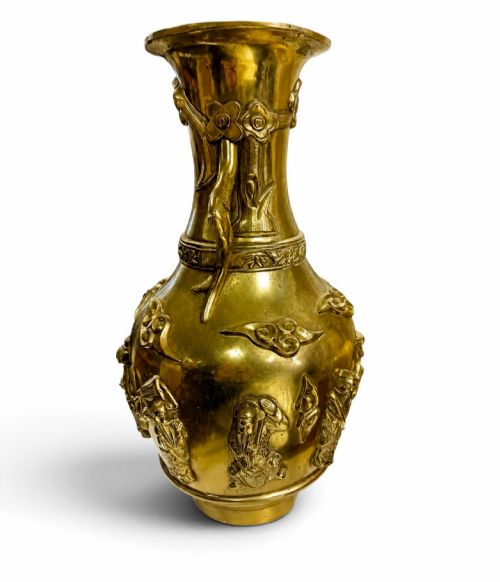
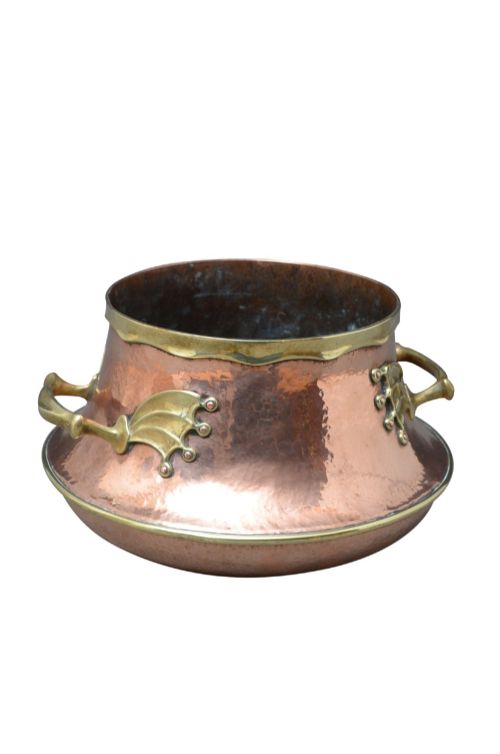
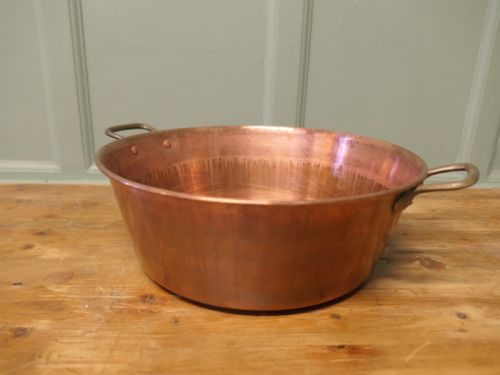
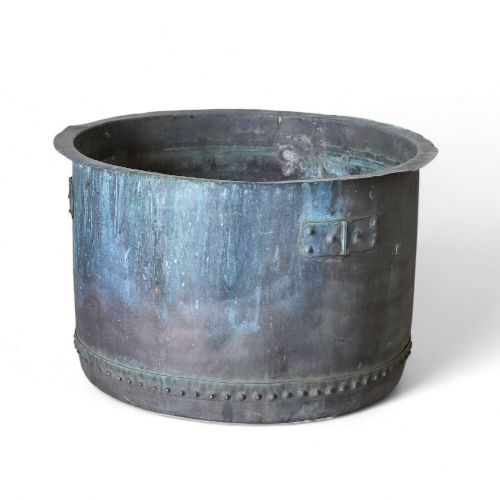
A 19th century copper vessel encompasses utilitarian kitchenware, log bins, and garden planters shaped during the Victorian and Georgian periods. These robust items served heavy domestic or agrarian purposes before finding a place in contemporary interiors.
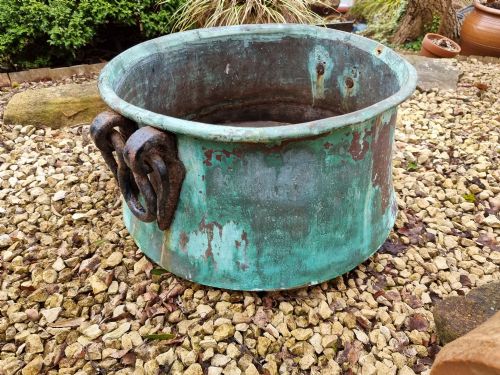
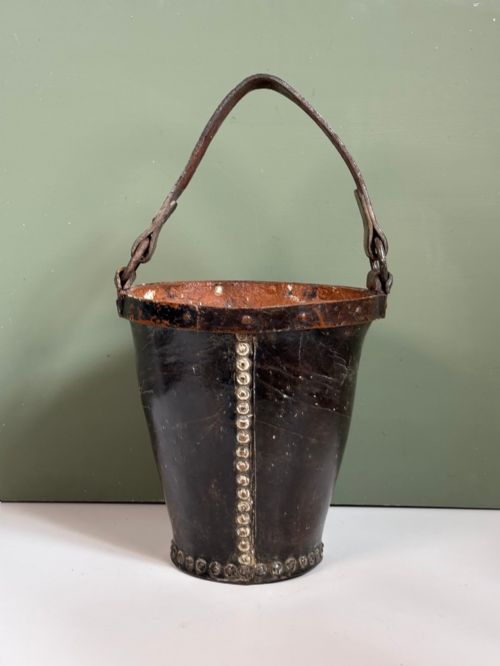
The pieces appearing on this page most commonly take the form of large planters, troughs, and log buckets. English origin predominates across the selection, reflecting domestic metalworking traditions from the eighteen-fifties onward.
How they were made
Makers utilised heavy sheet copper combined with iron and wrought iron for structural support and handles. Hand-riveting joined the metal plates securely together to contain weight and moisture without failure.
Surface finishes developed naturally through exposure to the elements or kitchen use, leaving rich patinas and verdigris. Metalworkers relied on fundamental hammering and riveting techniques rather than modern automated presses.
Retail Price Guide 2026
Typical UK retail prices for 19th century copper vessel, calculated from the Sellingantiques database of over a million retail prices indexed since 2003. This retail price guide relies exclusively on Sellingantiques data; no external sources or auction records are used, so the figures do not describe the wider market.
Some of these heavy vessels spent their youth hauling logs through draughty hallways before retiring to hold ferns.
What varies in quality
The integrity of the hand-riveted joints and the thickness of the original copper sheet dictate the solidity of each piece. Thicker metal resists denting and maintains structural shape better over decades of heavy service.
Surface character distinguishes standard utilitarian examples from more visually striking survivals. A rich, undisturbed natural patina or verdigris adds depth that lighter, overly polished surfaces lack.
The 19th Century Copper Vessel Glossary
- Patina
- The surface oxidation and colour acquired by copper over decades of exposure to air and handling. This aged layer protects the metal and signals genuine age.
- Verdigris
- The green crust or patina formed on copper by atmospheric oxidation. It is valued by collectors for its distinct visual depth.
- Riveted
- Joined together using metal pins hammered flat to secure overlapping sheets. This method provided the essential strength required for heavy-duty vessels.
- Wrought iron
- Iron beaten into shape by hand, frequently utilised for the handles and mounts attached to these copper containers. It offers high tensile strength and a fibrous texture.
Frequently Asked Questions
What were 19th century copper vessels used for?
These robust containers served practical domestic and agricultural roles such as cooking, carrying water, and holding household fuel. Larger forms functioned as planters or storage troughs around the home and garden.
Over time, heavy use shaped their appearance, leaving distinct marks from fires, hearths, and damp soil.
How do I clean a copper vessel?
Most collectors prefer to leave the natural patina and verdigris untouched, as cleaning removes the evidence of age. Gentle dusting with a dry cloth is usually sufficient for daily maintenance.
Avoid harsh chemical polishes unless you specifically wish to expose bright, reflective metal underneath.
Are these vessels waterproof?
Many of these items were constructed to hold liquids, but older riveted seams can dry out or develop microscopic gaps over time. Using a modern inner liner is recommended if you intend to use them for fresh indoor plants.
Testing the piece with water before placing it on sensitive flooring prevents unexpected leaks.
How do I date a 19th century vessel?
Dating relies on observing construction methods, such as hand-hammered panels and early iron rivets rather than modern machine welding. Stylistic cues from the Georgian and Victorian periods also provide reliable chronological markers.
Comparing the weight and thickness of the metal against documented pieces helps confirm the era.