


Verdigris Copper Planter
These verdigris copper planter pieces bring aged metal character and practical capacity into gardens and hearths.
What verdigris copper planter items are
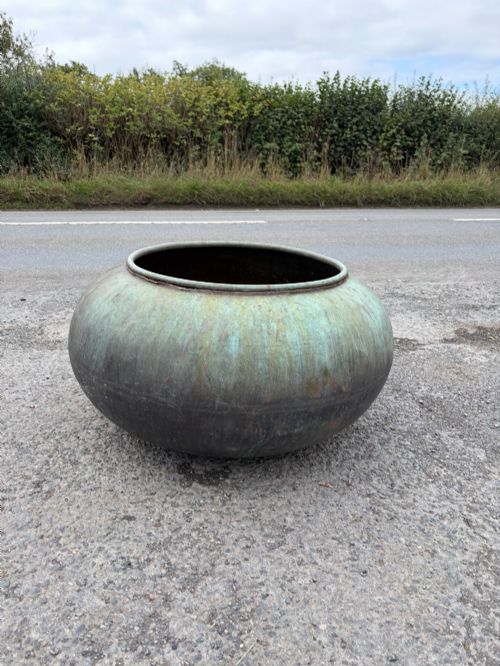
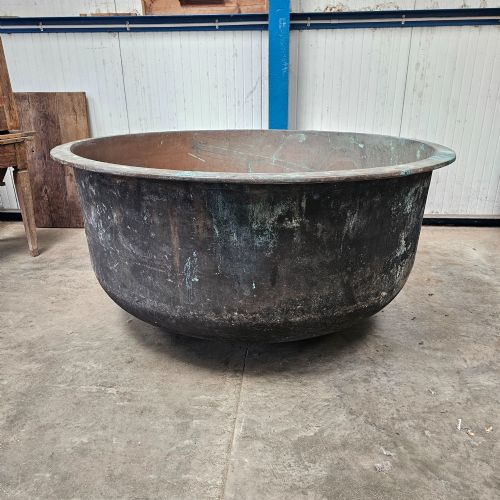
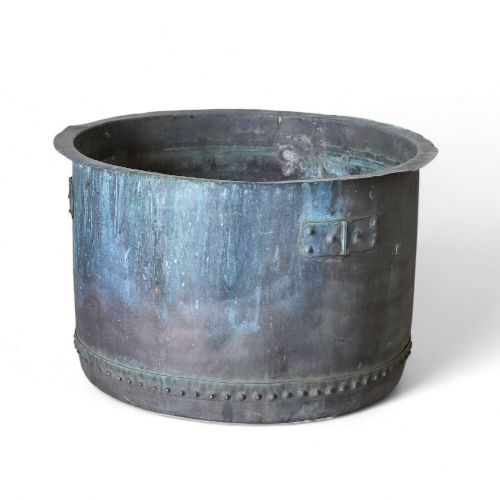
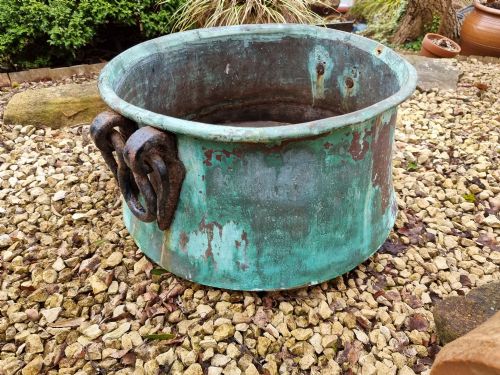
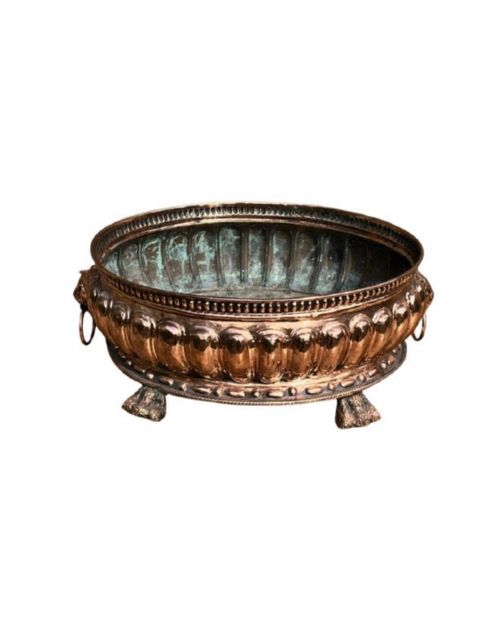
When you search for a verdigris copper planter, you are looking at substantial vessels designed for garden display, plant housing, and holding logs by the fire. The pieces seen here span the nineteenth century, including Victorian examples and specific years such as eighteen fifty.
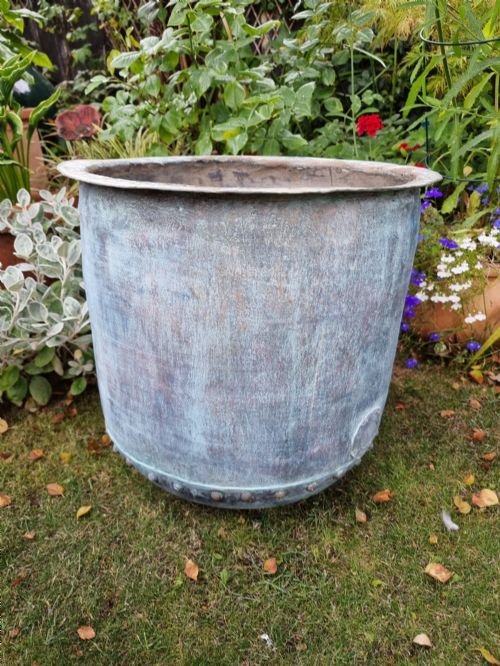
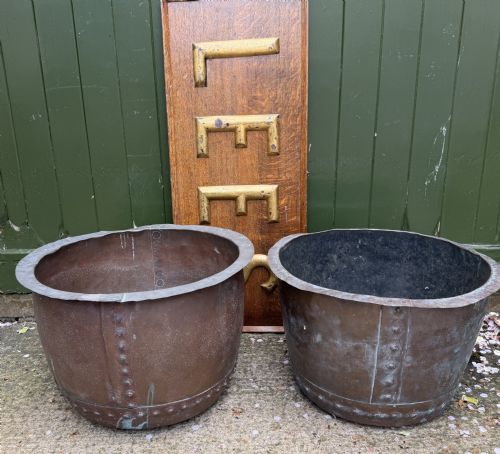
You will most frequently meet large pots, garden display vessels, and log bins shaped from heavy metal sheets. Many examples double in function, serving equally well as garden planters or indoor log bins depending on where you place them.
How they were made
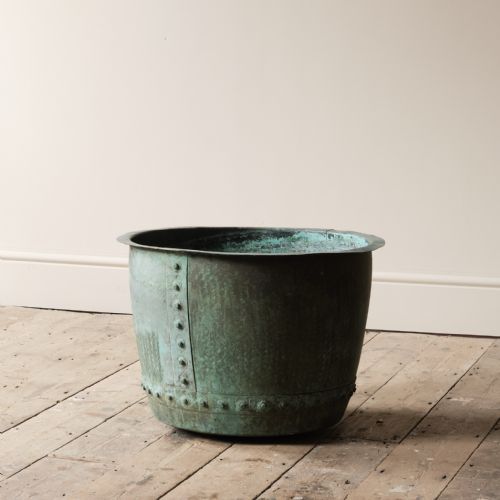
These items rely on copper construction joined by visible rivets, creating sturdy seams that hold up against damp soil and heavy fuel wood. Some vessels incorporate wrought iron stands to elevate the main copper body from the ground.
Over decades and centuries of exposure, the metal develops a distinctive verdigris finish through natural oxidation. Certain pieces also feature drainage holes punched into the base for horticultural use.
Retail Price Guide 2026
Typical UK retail prices for verdigris copper planter, calculated from the Sellingantiques database of over a million retail prices indexed since 2003. This retail price guide relies exclusively on Sellingantiques data; no external sources or auction records are used, so the figures do not describe the wider market.
Materials recorded across the inventory include heavy copper combined with iron stands and riveted fastenings.
What varies in quality
Quality rests in the gauge of the metal and the integrity of the riveted construction rather than surface decoration. Heavier copper bodies hold their structural form better when filled with wet earth or dense logs.
The character of the verdigris surface also distinguishes individual pieces, with naturally weathered patinas showing greater tonal depth than uniform surfaces. Structural additions like wrought iron stands add substantial presence to the piece.
The Verdigris Copper Planter Glossary
- Verdigris
- The green patina that forms on copper through atmospheric weathering over long periods. This chemical change protects the metal underneath while creating distinctive colour variations.
- Riveted
- Joined with metal pins hammered flat to secure overlapping sheets of copper. This traditional fastening method provides visible industrial strength along the seams.
- Log bin
- A large freestanding container designed to hold firewood near a hearth. These vessels often share identical proportions with heavy garden pots.
- Wrought iron stand
- A supporting frame forged from iron to elevate a vessel. These stands lift heavy copper pots off damp ground.
Frequently Asked Questions
Are these planters frost proof?
Heavy copper construction stands up well to seasonal temperature shifts outdoors. The metal itself does not crack in freezing conditions the way ceramic vessels might.
However, very wet soil freezing inside a rigid metal pot can expand and stress the riveted seams. Gardeners often elevate pots slightly or ensure drainage holes remain clear during winter months.
Can I use them indoors?
These vessels transition easily from the garden to interior spaces for use as log bins or large display pots. Their substantial scale makes them useful focal points beside a fireplace.
When placing them on wooden floors indoors, consider adding a protective tray underneath to catch any moisture seeping through drainage holes or weathered seams.
How do I clean verdigris copper?
The green verdigris surface represents decades of natural oxidation that collectors value for its aged appearance. Scrubbing this layer away exposes bright raw copper underneath and removes the historic patina.
Gentle dusting or washing with mild soapy water removes household dirt without harming the oxidised finish. Avoid abrasive metal polishes unless you specifically prefer a shiny finish.
How do I date these pieces?
Dating relies on construction methods, particularly the style of the riveted seams and the thickness of the beaten copper sheets. Nineteenth-century examples often display hand-hammered marks and heavy iron fastenings.
Comparing the proportion and rim shape to documented Victorian utilitarian wares helps narrow down the manufacturing period. Natural wear patterns also indicate age through long-term use.