
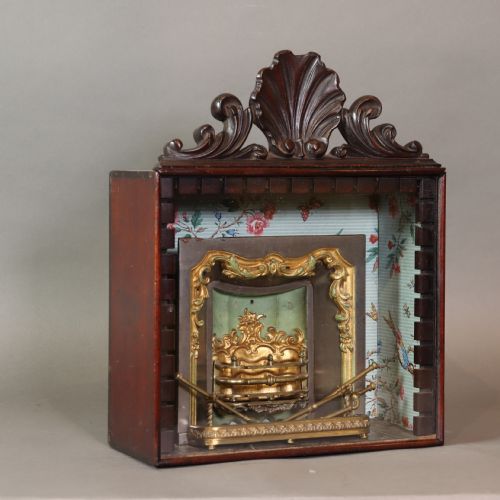


Brass Fireplace Box
These brass fireplace boxes keep solid fuel tidy beside the hearth, combining practical heavy metal construction with decorative presence.
Brass Fireplace Box
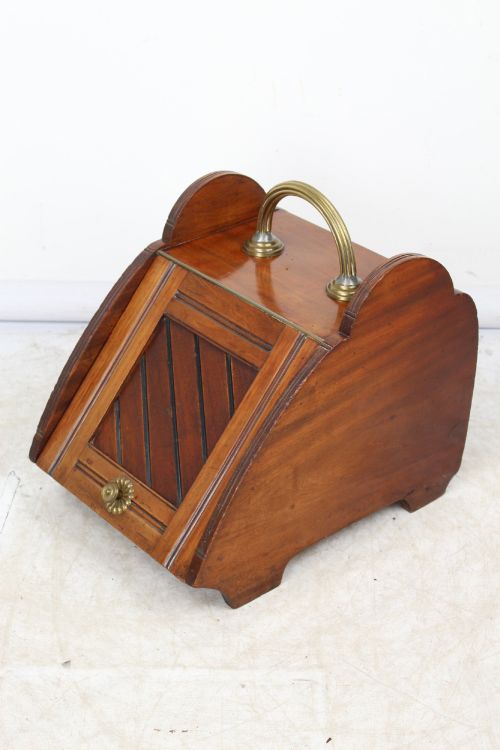
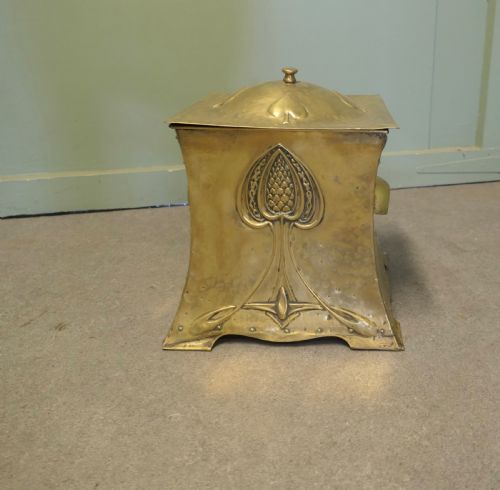
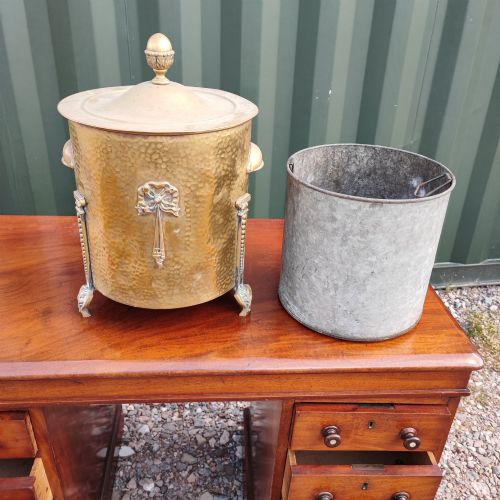
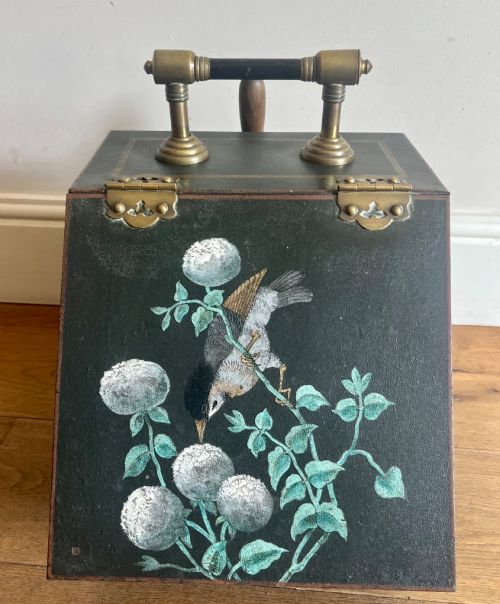
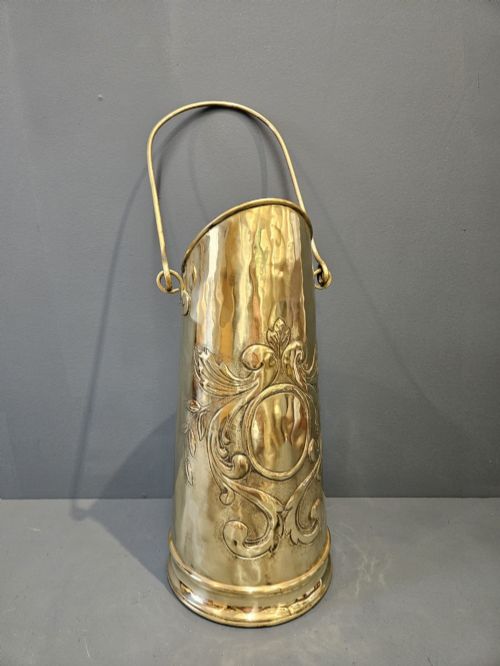
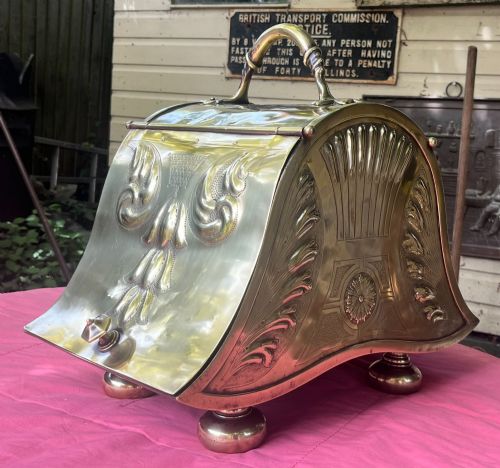
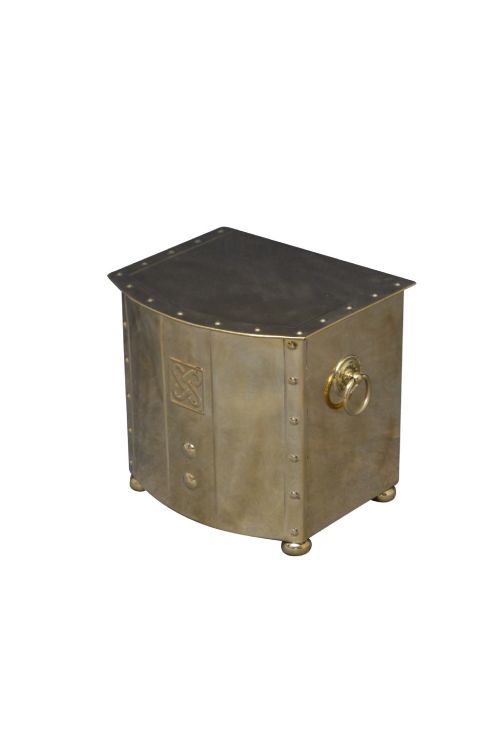
A brass fireplace box serves to store coal, logs, or peat cleanly by the hearth, ranging from open buckets to enclosed cabinets known as purdoniums. When searching for a brass fireplace box, buyers typically encounter Victorian and Edwardian examples made from sheet metal paired with timber or iron.
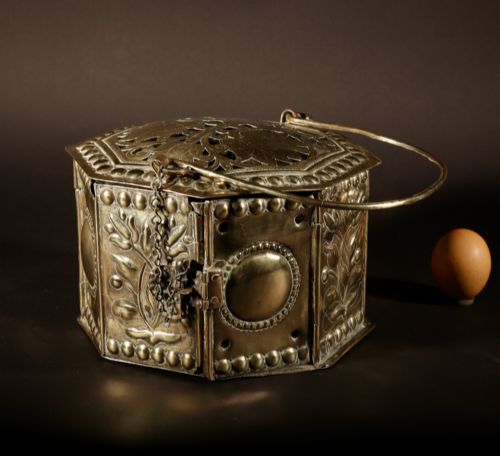
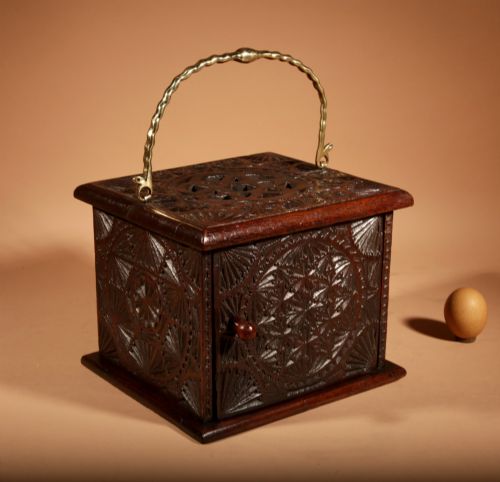
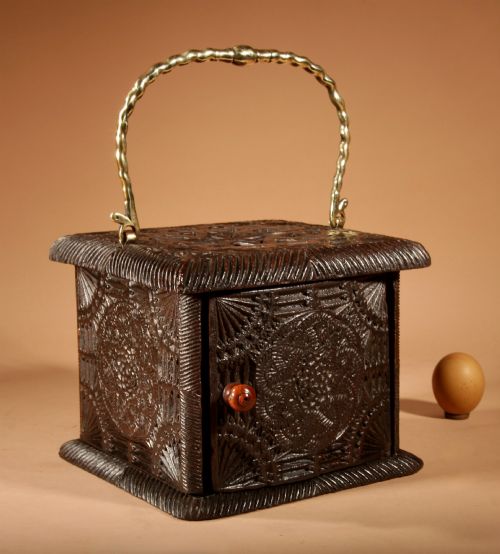
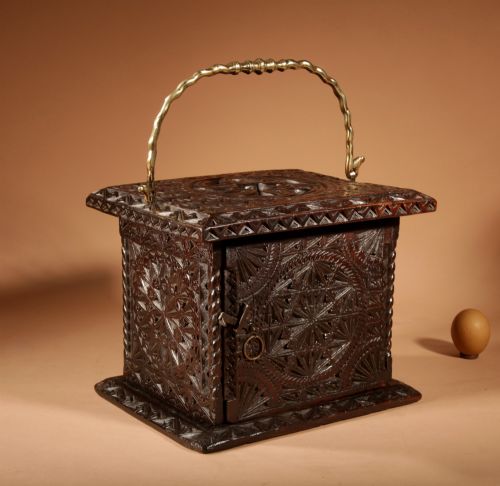
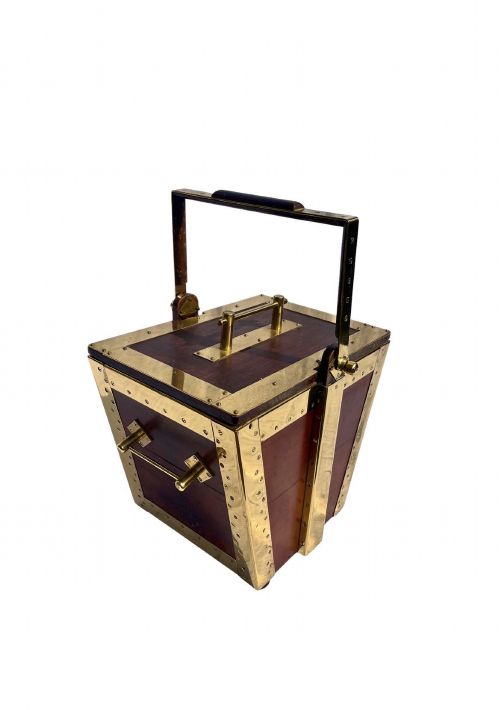
The form spans straightforward coal scuttles, helmet buckets, and lidded bins alongside fitted wooden boxes featuring brass mounts and handles. Earlier eighteenth-century foot stoves and folk art pieces also appear, demonstrating how fuel storage evolved from small domestic warmers into substantial fireside furniture.
Judging quality and manufacture
Quality rests upon the gauge of the brass, the structural integrity of the timber framing, and the survival of original internal metal liners. Thicker gauge metal resists dents better, while sound joinery in wooden coal boxes prevents the weight of fuel from straining the joints.
The crispness of hand embossing and the detailing on cast brass mounts separate standard utilitarian items from finer decorative examples. Retaining original shovels, ceramic liners, and functioning drop handles elevates the piece.
Salesmen once carried miniature brass coal scuttles around to demonstrate full-sized hearth furnishings to prospective Victorian shop buyers.
Benham and Froud·Henry Loveridge
The Brass Fireplace Box Glossary
- Purdonium
- A box or cabinet designed specifically to hold coal, typically featuring a sloping drop-front door and a shovel kept in a side compartment. These enclosed units kept hearth dust contained.
- Coal Scuttle
- A bucket or pail used for carrying coal to the fire, often shaped with a wide mouth and a hinged carrying handle. They sit directly on the hearth.
- Repoussé
- A metalworking technique where the artisan hammers the design from the reverse side to raise relief patterns on the brass surface. This method created floral and abstract motifs on bins.
- Foot Stove
- A small perforated box intended to hold hot embers, used during colder periods to warm the feet. They frequently feature hand-embossed brass lids over wooden frames.
- Folk Art
- Objects created by self-taught makers or within regional traditions, utilising accessible techniques like chip carving. These pieces reflect local aesthetic preferences rather than strict factory standards.
Brass Fireplace Box: Frequently Asked Questions
What is a coal purdonium?
A coal purdonium is an enclosed cabinet designed to hold fuel by the fireplace, featuring a hinged front flap for easy access. They emerged during the nineteenth century to keep domestic hearths tidy.
Unlike open buckets, these cabinets concealed the coal completely and often included internal metal liners to catch debris and moisture from the fuel.
How do I clean antique brass?
Antique brass benefits from gentle dusting and occasional cleaning with a mild, non-abrasive soap solution to remove accumulated soot and grime. Avoid harsh chemical polishes that strip away the natural historic patina.
Preserving the darkened areas within embossed details maintains the depth and character of the original metalwork.
Were these boxes used for coal or logs?
They served both purposes depending on the size of the household and the primary fuel burnt in the hearth. Smaller helmet buckets held coal for immediate grate loading.
Larger bins and log boxes accommodated bulk firewood, utilising sturdy iron or wooden construction to bear the weight of heavy timber pieces.
How do I date a brass coal box?
Dating relies on stylistic clues such as Aesthetic Movement engraving, Art Nouveau whiplash lines, or heavy Victorian oak framing. Examining the construction methods of the internal metal liners and hinges also helps determine the era.
Maker marks stamped onto the brass provide definitive evidence of the workshop and production period.