
Fireplace Coal Scuttle
A fireplace coal scuttle brings utilitarian history directly to the hearth, combining metal or timber construction with functional design.

Fireplace Coal Scuttle
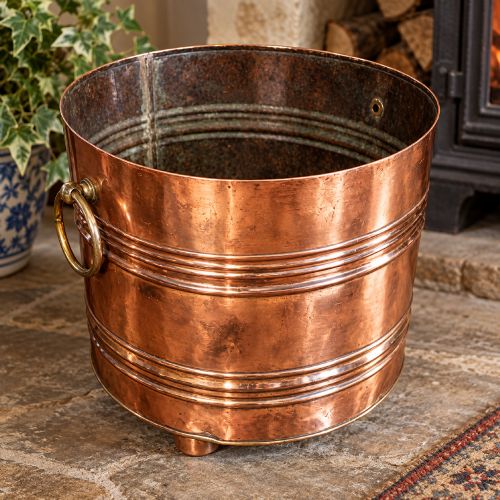
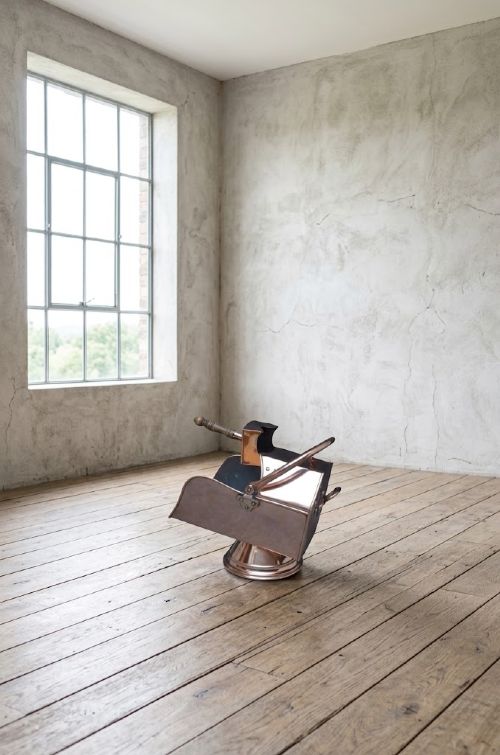
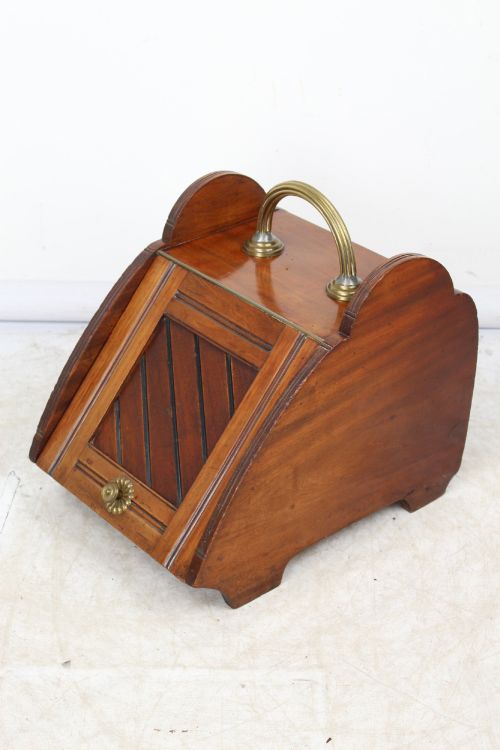
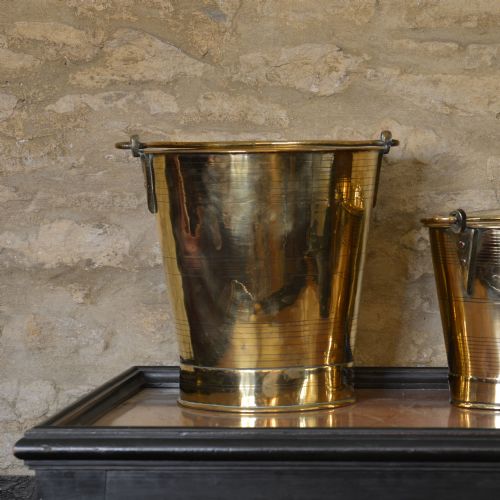
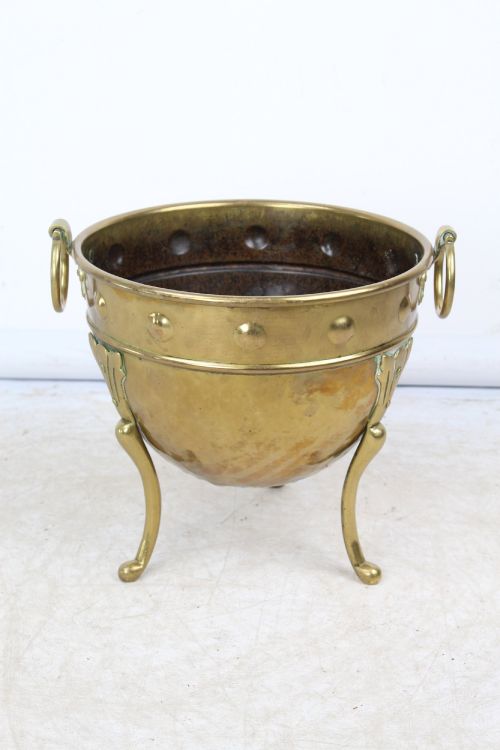
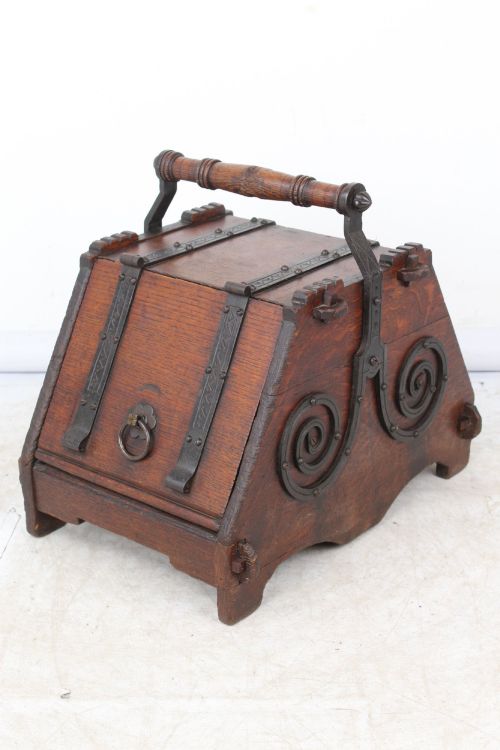
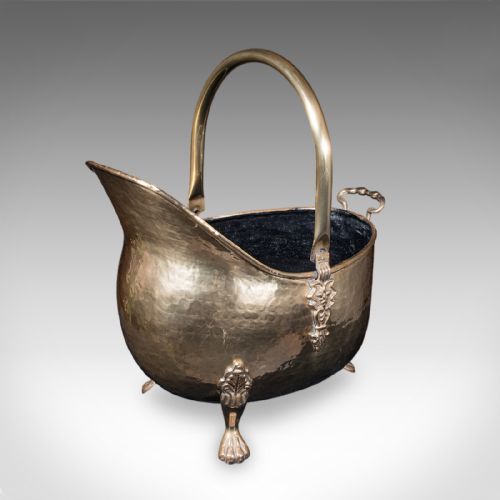
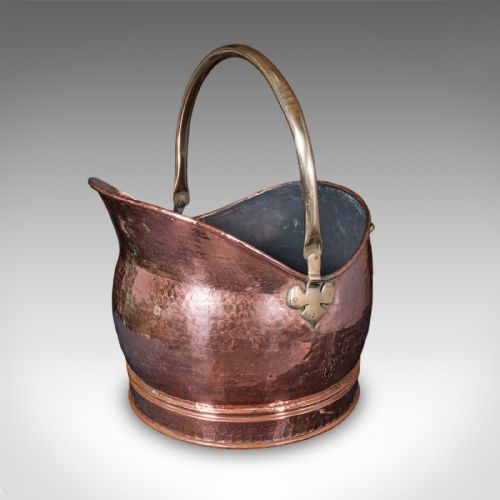
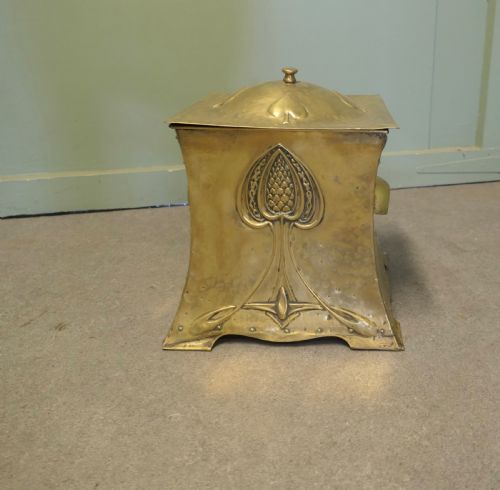
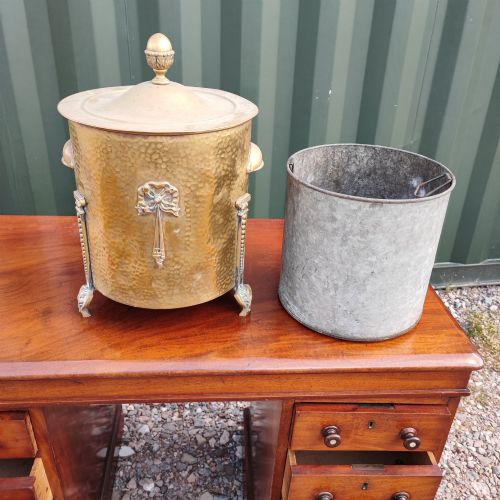
A fireplace coal scuttle serves to hold fuel beside the hearth, taking forms such as buckets, helmets, boxes and bins. These items emerge from periods spanning the Georgian era through the Victorian and Edwardian decades into the Art Deco period.
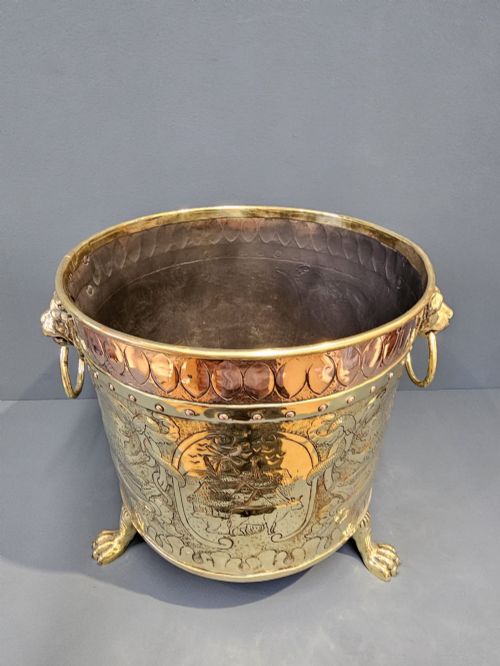
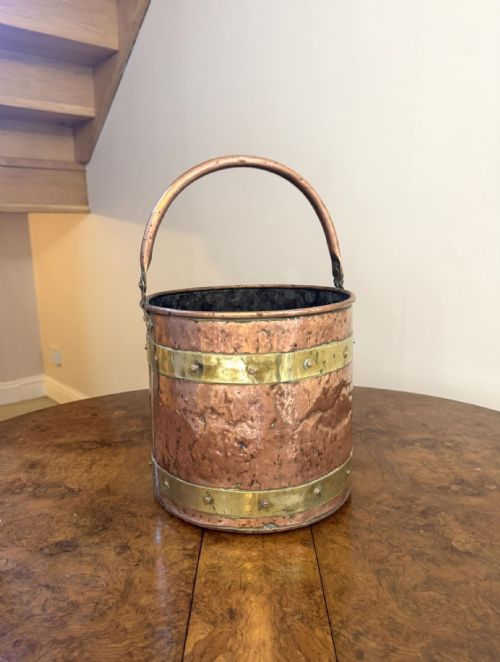
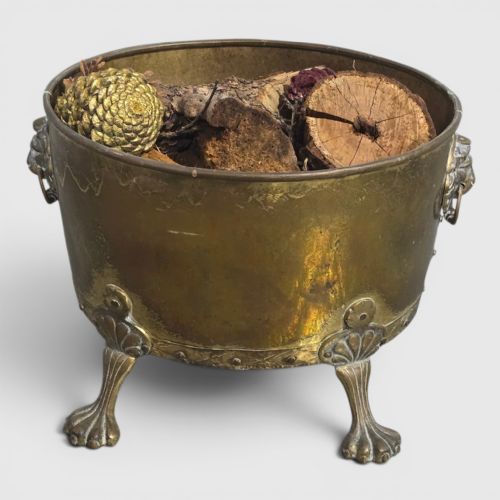
Brass and copper examples predominate on this page, often paired with iron handles, riveted seams or embossed decoration. Timber versions also appear, utilising oak and mahogany with coopered staves or brass banding.
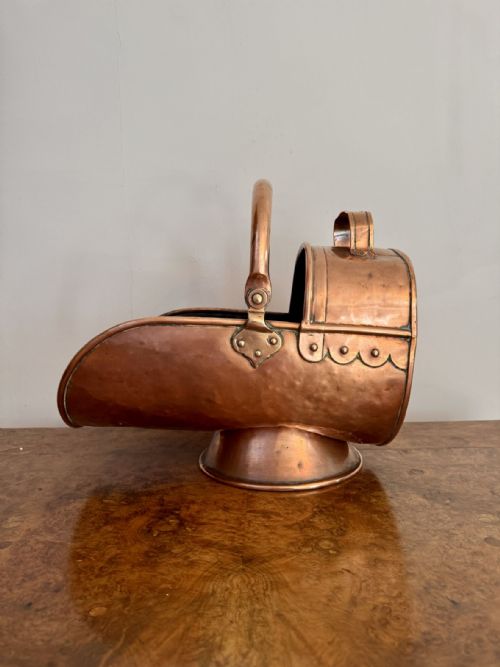
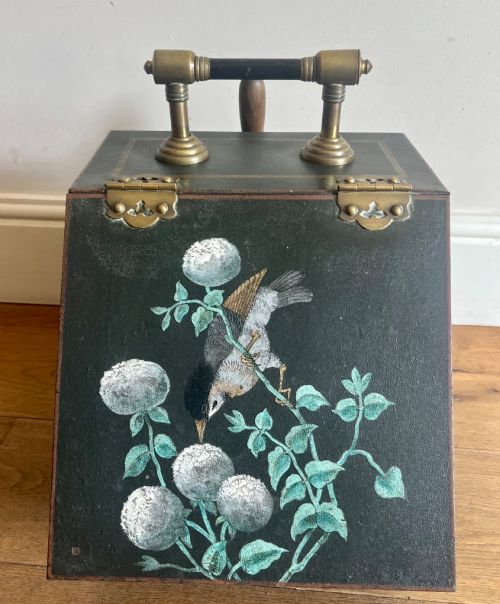
Buyers encounter traditional helmet scuttles alongside cylindrical log bins and lidded coal boxes. Design influences range from Gothic Revival and Arts and Crafts to Anglo-Indian and Regency styles.
Materials and construction
Metal vessels rely on sheet brass and copper, shaped through hammering, embossing and riveting. Wrought iron and steel provide strong handles, swing bails and structural reinforcement.
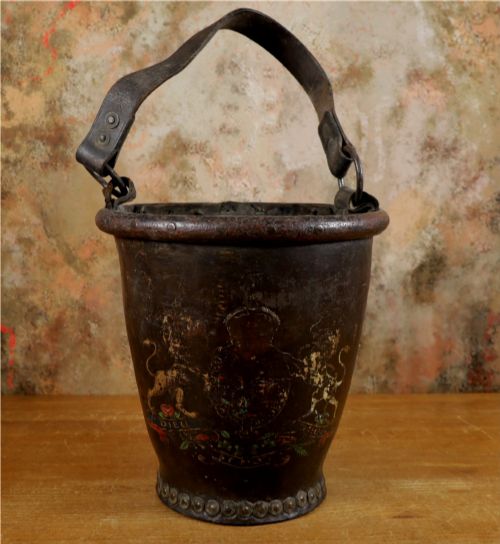
Wooden examples utilise traditional cooperage techniques, binding staves of oak or mahogany with brass hoops to contain peat or logs. Leather sees use in studded fire buckets featuring applied heraldic decoration.
Fireplace Coal Scuttle Retail Price Guide 2026
Typical asking prices for fireplace coal scuttle among the pieces listed under this phrase on Sellingantiques today, from the lower quarter to the upper quarter. They describe what is for sale here now, not the wider market.
A Georgian leather fire bucket arrives complete with a studded coat of arms, lions and a unicorn, ready for action.
Evaluating the standard of execution
Construction methods dictate durability, with hand-hammered joints, heavy-gauge metal and secure riveting separating robust pieces from lighter domestic items. The presence of original matching shovels, liners and authentic period hardware adds significant interest.
Decorative detail ranges from plain utilitarian surfaces to intricate repoussé ornamentation and design attribution to makers such as Christopher Dresser or Henry Loveridge. Timber pieces depend upon tight coopering and well-preserved grain.
Henry Loveridge·Christopher Dresser
The Fireplace Coal Scuttle Glossary
- Coal Scuttle
- A receptacle designed specifically to hold coal for a fireplace. These vessels typically feature a wide mouth and a carrying handle.
- Helmet Scuttle
- A metal coal container shaped with a flared lip resembling a classical helmet. This form allows fuel to pour smoothly into the grate.
- Coopered
- Built using wooden staves joined together side by side and bound with metal hoops. This technique originates from barrel-making.
- Repoussé
- Metalworking technique where the metal is hammered from the reverse side to form a raised design in relief. It appears frequently on Arts and Crafts brass and copper examples.
- Tole Ware
- Lacquered or enamelled sheet metal items produced for domestic utility and decoration. These pieces often feature dark painted finishes.
Fireplace Coal Scuttle: Frequently Asked Questions
How do I clean antique brass and copper?
Metal surfaces benefit from gentle dusting and occasional cleaning with appropriate non-abrasive metal polishes if removal of tarnish is desired. Many collectors prefer to leave an established patina undisturbed.
Avoiding harsh chemical agents ensures the original surface integrity and historic character remain preserved.
Can I use these for logs instead of coal?
Log bins, buckets and scuttles accommodate firewood, kindling or peat just as effectively as coal. Many surviving pieces served multiple fuel storage purposes in period homes.
Larger cylindrical bins and coal boxes provide ample space for standard fireplace logs.
How do I distinguish Victorian from Edwardian pieces?
Victorian examples often display heavier ornamentation, including deep embossed brass, Gothic Revival motifs or Arts and Crafts hand-hammered textures. Edwardian pieces tend towards simpler geometric forms or streamlined copper and oak construction.
Examining construction methods and stylistic markers helps assign items to their respective nineteenth or early twentieth-century decades.