




Decorative Brass Box
A decorative brass box brings metallic warmth and historic craftsmanship to a desk, holding small keepsakes with enduring style.
Decorative Brass Box
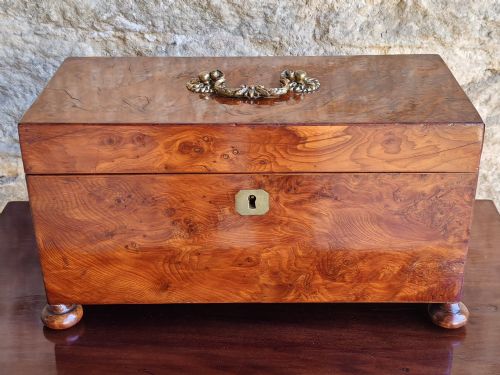
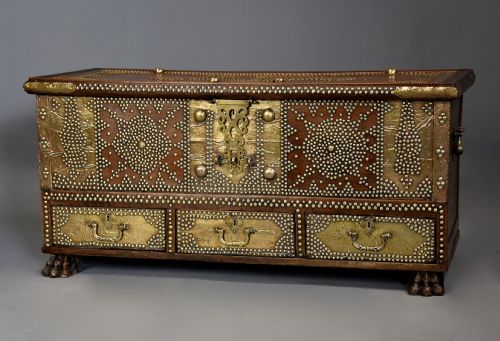
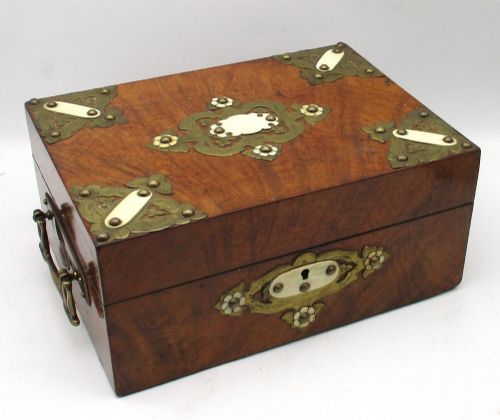
A decorative brass box encompasses a wide range of historic containers designed for practical storage and display, appearing frequently across 18th century, 19th century, Victorian, Regency, and Edwardian periods. Buyers searching this phrase encounter tea caddies, jewellery boxes, trinket boxes, and desk accessories formed from timber frames mounted or bound in metal.
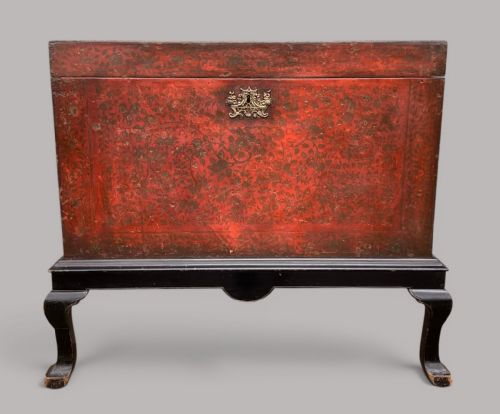
The objects span varied global origins and aesthetics, including Anglo-Indian, Napoleon III, Victorian Gothic Revival, and Asian antique styles. Many examples combine rich hardwoods like walnut, rosewood, mahogany, and coromandel with extensive metal mounts, studs, or inlay work.
Beyond standard tabletop containers, the selection includes fireside storage, stationery boxes, and small caskets intended for personal diaries or writing implements. These pieces reflect the Victorian and Georgian appetite for organised, ornate tabletop accessories.
How they were made
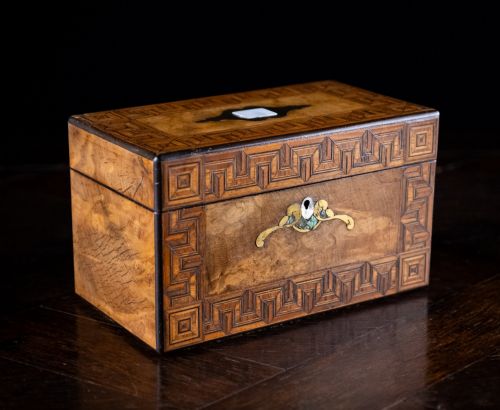
Maker workshops constructed the rigid carcases of these boxes using dense timbers such as walnut, mahogany, and rosewood, frequently applying decorative veneers or parquetry patterns. Surface embellishment relied on heavy brass binding, cast mounts, and metal studs secured carefully to the wood.
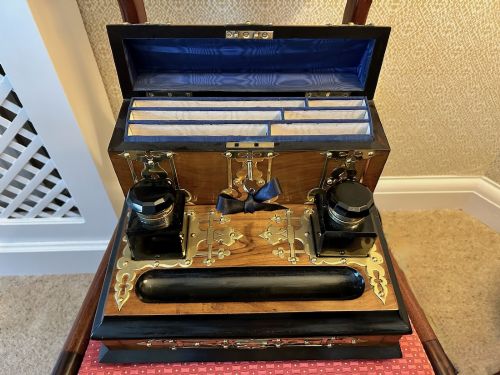
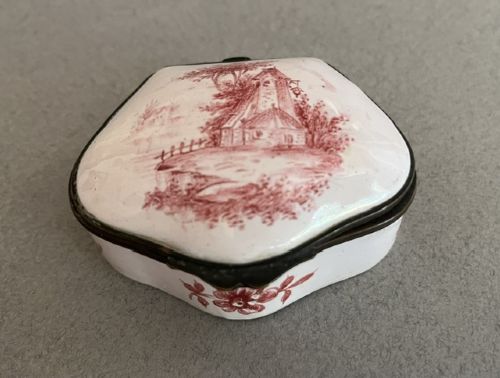
Many examples incorporate contrasting materials alongside metal, utilising mother-of-pearl, bone, enamel, tortoiseshell, and agate cabochons set directly into the timber or metal framework. Joinery techniques from the Georgian and Victorian eras ensured sturdy housing for internal compartments, tea canisters, or velvet-lined stationery dividers.
Listings feature 19th century, Victorian, 18th century, and Edwardian periods using brass, wood, walnut, rosewood, copper, metal, mahogany, and enamel.
What varies in quality
Quality separates objects through the precision of the metal inlay, the crispness of cast brass mounts, and the choice of underlying timber. Superior examples display tightly fitted parquetry, secure hinges, and well-preserved internal fittings such as original canisters or velvet linings.
Finer boxes exhibit harmonious integration between the metalwork and the structural wood, where mounts sit flush and decorative studs or engravings show deliberate hand-finished detail rather than mass-produced uniformity.
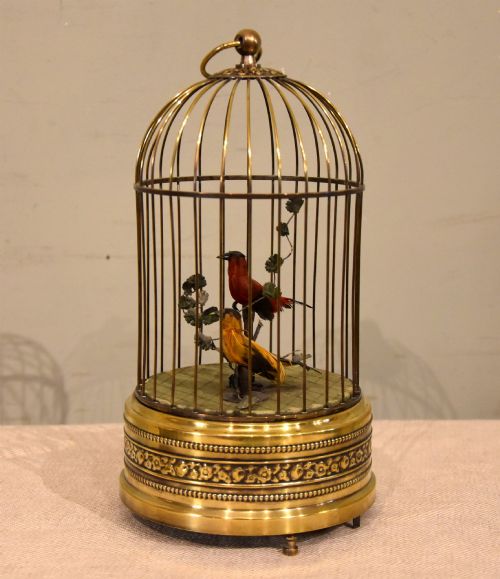
Erhard and Sohne
The Decorative Brass Box Glossary
- Tea caddy
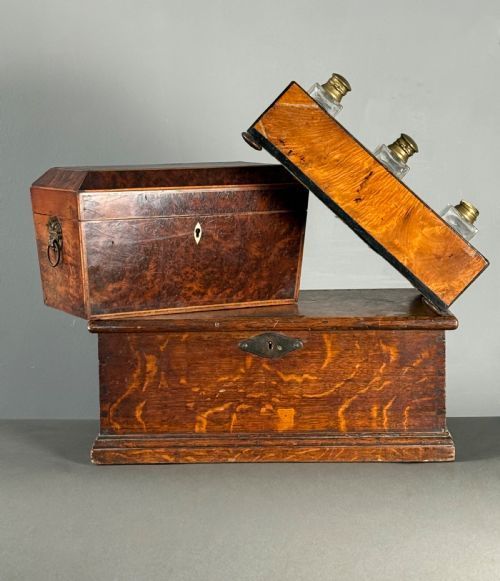
- A small container designed originally to store loose leaf tea safely away from moisture and light. These often feature internal lidded compartments or glass bowls.
- Boulle
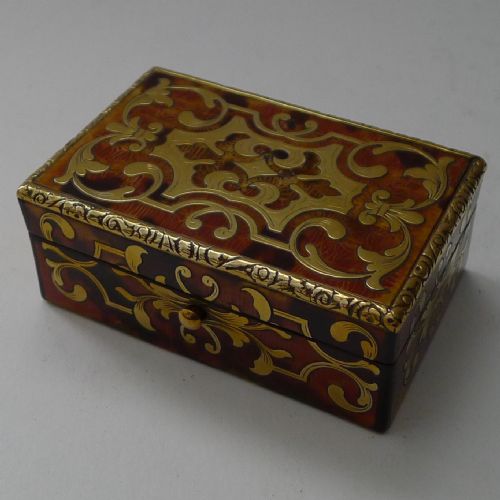
- A decorative technique involving intricate inlay of tortoiseshell and brass, popular in French furniture and smaller tabletop caskets. It creates a striking contrast of golden metal against dark organic material.
- Coromandel
- A dense, heavily figured exotic timber utilised in high-end Victorian boxes for its rich dark brown colouring and striking grain patterns. It provided a stable dark surface for contrasting brass mounts.
- Cabochon
- A gemstone or polished mineral cut in a convex form without facets, frequently mounted onto the exterior of mid-19th century desk sets and boxes. It adds a focal point of colour to the metal or wooden surface.
- Parquetry
- Geometric mosaic woodwork formed by fitting small veneer tiles together to create repeating patterns across the lid or sides of a box. This technique showcases the natural tonal variations of walnut and other woods.
Decorative Brass Box: Frequently Asked Questions
What were tea caddies used for?
Tea caddies served as secure storage containers for valuable loose leaf tea when the leaf was an expensive household commodity.
Locked lids prevented servants or guests from helping themselves, keeping the precious dry leaves fresh and protected.
How do I identify a Victorian box?
Victorian boxes often feature substantial brass binding, coromandel or burr walnut veneers, and elaborate internal velvet linings.
Stylistic markers include Gothic Revival motifs, heavy brass handles, and robust construction typical of mid to late 19th-century manufacture.
What is coromandel wood?
Coromandel is a heavy, highly figured exotic timber imported from Asia during the 19th century for luxury cabinet work.
Its dark brown colour and striking lighter streaks made it a preferred choice for high-end Victorian stationery and jewellery boxes.
How do I care for antique brass?
Antique brass requires minimal intervention to preserve its historic surface appearance and natural mellow oxidation.
Dusting with a soft cloth and avoiding harsh chemical polishes protects both the metal and the surrounding wood or inlay.