
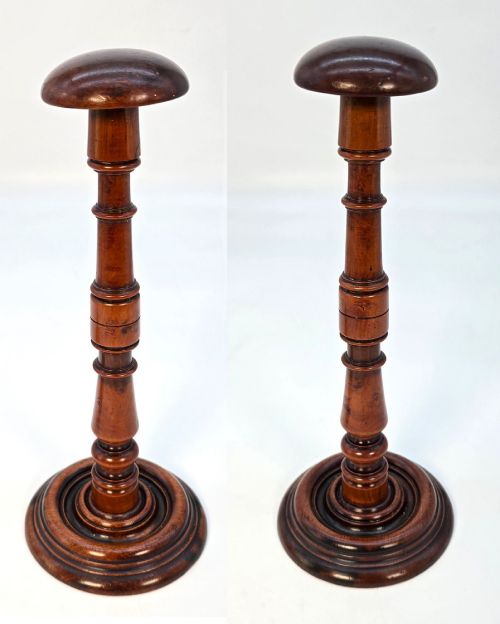
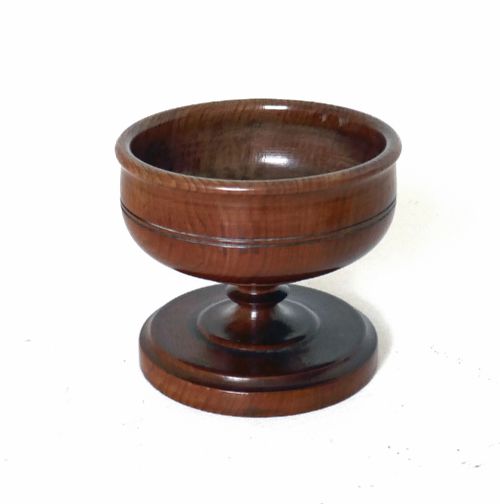
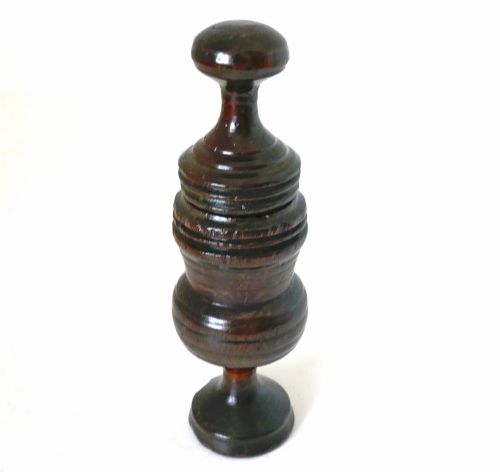
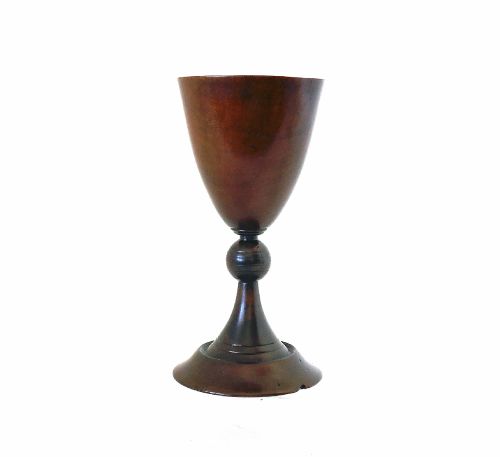

Early English Treen
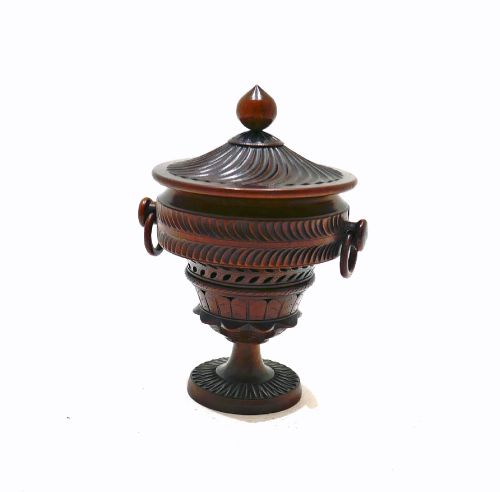
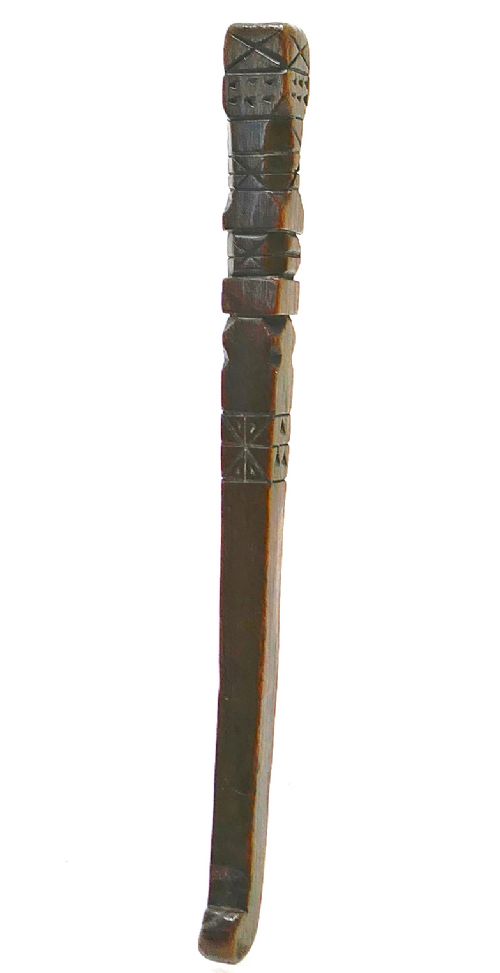
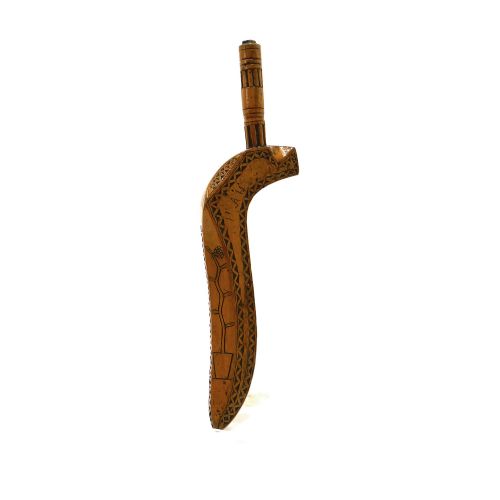
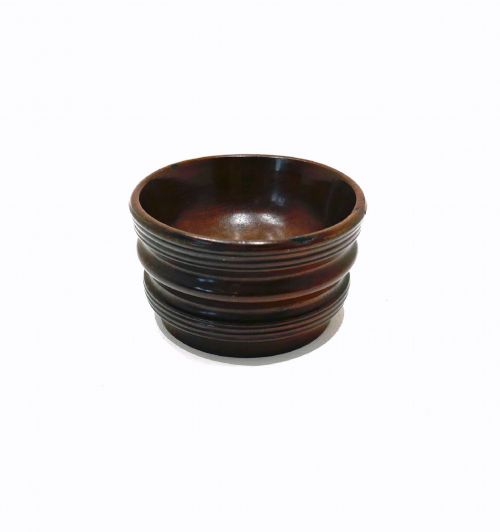
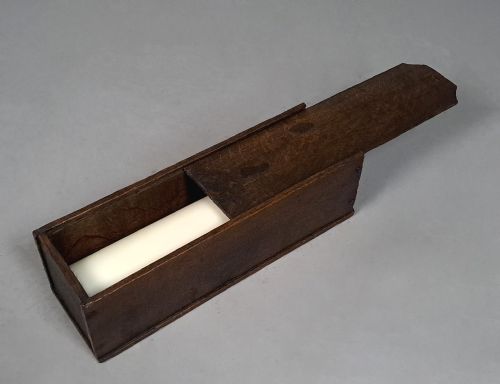
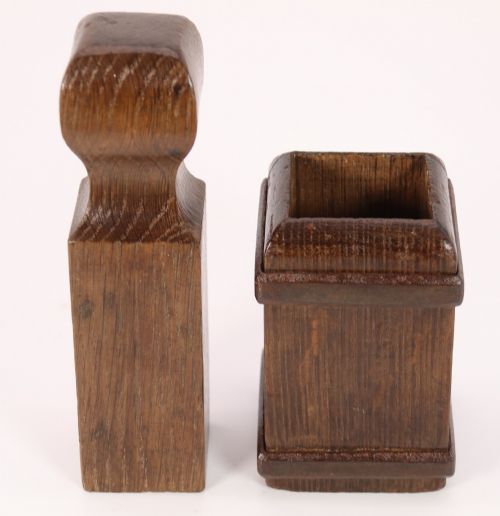
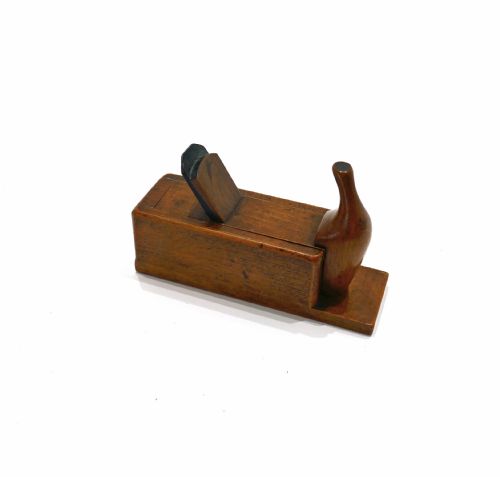
Early English treen encompasses turned and carved domestic wooden objects that span several centuries of daily utility and craftsmanship.
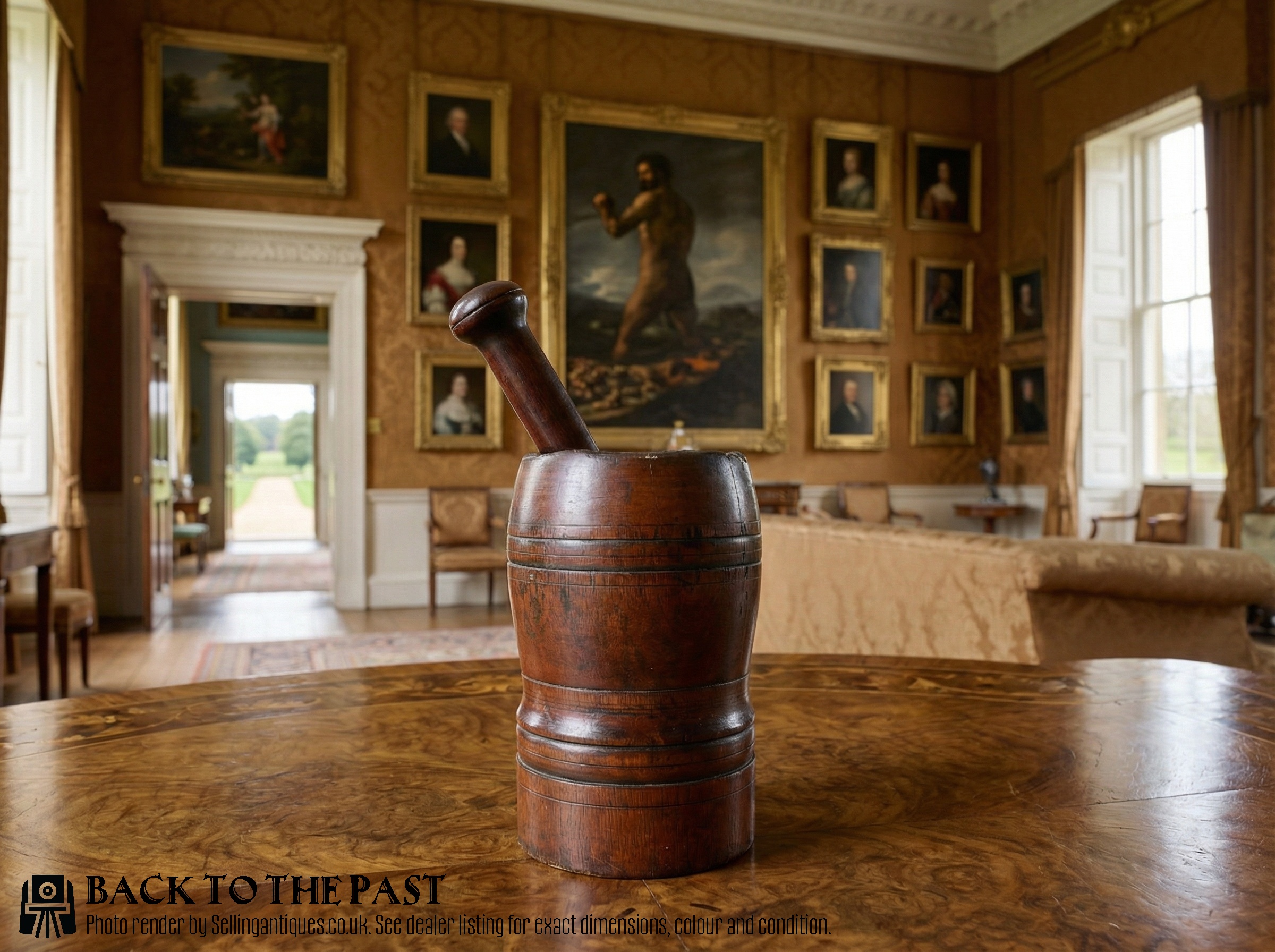
Early English Treen
Early English treen comprises small wooden domestic articles shaped by hand and lathe for practical household or personal tasks. Collectors encounter functional vessels, containers, and tools that survive from past centuries in varying states of preservation.
How they were made
Woodturners shaped dense native timbers like fruitwood, sycamore, and boxwood on foot-powered or pole lathes to create symmetrical vessels and stems. Craftsmen selected close-grained hardwoods that accepted fine detail and resisted splitting during intense daily use.
Joiners and carvers augmented turned elements with mortise work, applied mouldings, and incised decoration using simple chisels and gouges. Artisans finished surfaces through friction polishing and wax applications, highlighting the natural figuring of yew, laburnum, and oak.
Early English Treen Retail Price Guide 2026
Typical asking prices for early english treen among the pieces listed under this phrase on Sellingantiques today, from the lower quarter to the upper quarter. They describe what is for sale here now, not the wider market.
Listings feature items spanning the seventeenth, eighteenth, and nineteenth centuries, including Regency and folk art periods.
What varies in quality
Quality rests upon the crispness of the original turning, the preservation of tool marks, and the depth of the timber's patina. Superior examples retain their original surface finishes and structural integrity without aggressive cleaning or modern restoration.
The sophistication of the form and the choice of denser woods elevate certain pieces above utilitarian equivalents. Finely proportioned wall profiles, crisp incised decoration, and exceptional natural colour distinguish the finest workshop output.
The Early English Treen Glossary
- Treen
- Small handmade wooden items for domestic use. The term derives from old English and encompasses everything from kitchen vessels to personal pocket containers.
- Fruitwood
- Dense timber harvested from orchard trees such as apple, pear, or plum. Turners prized these woods for their fine grain and stability.
- Salt
- A small open vessel designed to hold table salt during meals. Master salts held a prominent central position on the dining table.
- Pestle and mortar
- A pairing used for grinding herbs, spices, or medicinal compounds. Hardwoods like lignum vitae and fruitwood resisted the heavy impact of the pestle.
- Snuff box
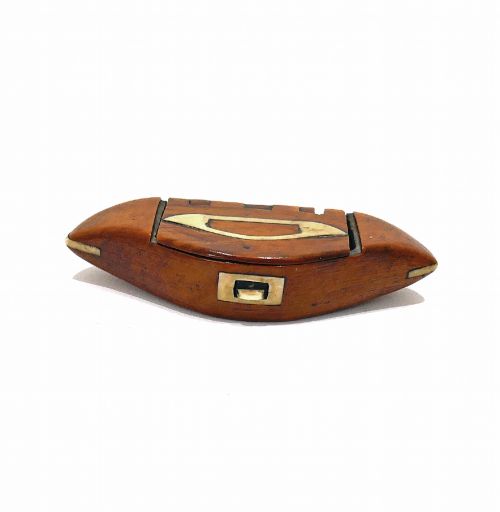
- A small lidded container made to hold pulverized tobacco. Makers decorated these pocket items with bone inlay, brass piquet work, or carved figural forms.
Early English Treen: Frequently Asked Questions
What is early English treen?
Early English treen refers to small, functional wooden objects made in England prior to the twentieth century. These items served domestic, culinary, and personal purposes within the household.
Craftsmen utilised local hardwoods to produce items ranging from tableware and kitchen utensils to pocket snuff boxes and containers. Each piece demonstrates historical woodworking techniques.
How were these wooden items used?
These objects fulfilled everyday domestic and personal needs before the advent of mass-produced plastics and metalware. People used them for grinding spices, serving food, storing snuff, and lighting pipes.
Many pieces sat on dining tables or in kitchens, while others were carried in pockets as personal accessories. Their utility dictated their sturdy construction and practical forms.
How do I care for antique treen?
Antique treen requires stable environmental conditions to prevent the timber from drying out or splitting. Keep pieces away from direct heat sources and strong sunlight.
Apply a microcrystalline wax sparingly to nourish the wood and preserve the historic patina. Avoid using water or harsh modern cleaning agents on antique surfaces.
How can I tell the age of treen?
Dating early treen involves examining the tool marks left by lathes and hand chisels, alongside the species of wood used. Wear patterns and the development of a natural patina provide clues to a piece's age.
Stylistic indicators, such as seventeenth-century construction methods or Regency turning profiles, help narrow down the period of manufacture.