




Dark Oak Treen
Dark oak treen pieces are small wooden utilitarian objects that bring tactile warmth and regional history into a room.
Dark Oak Treen
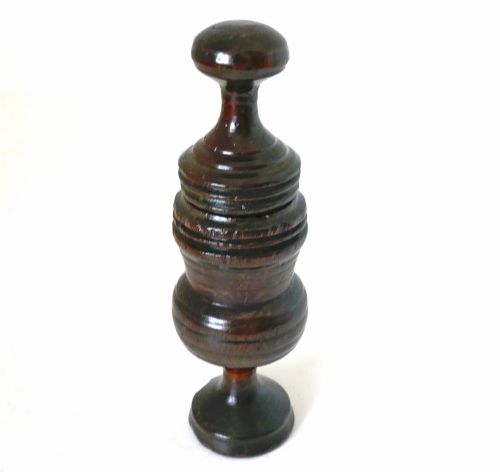
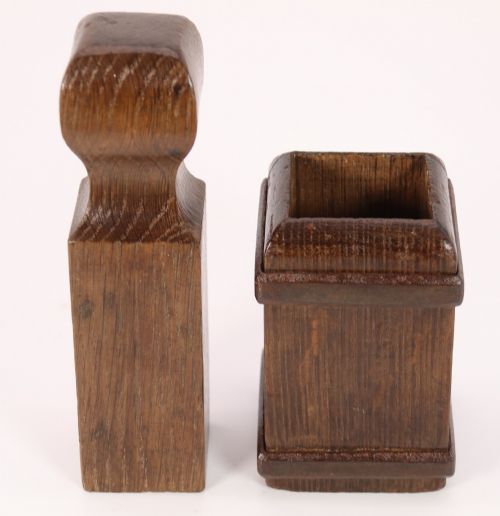
Dark oak treen encompasses domestic and utilitarian wooden objects from periods spanning the seventeenth century through to the nineteenth century. Buyers searching for dark oak treen seek functional items such as candle boxes, spice grinders, spoon racks, and apothecary crushers that survived centuries of domestic use. The pieces seen here reflect vernacular traditions, including Welsh country styles and regional folk art work.
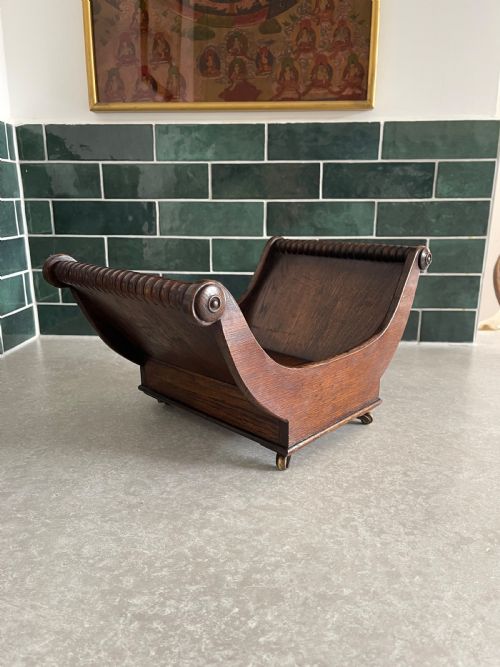
Most examples originate from British provincial workshops, utilising native timbers shaped by local turners and joiners. Forms range from simple cheese coasters and decanter stands to chip-carved snuff boxes and tinder boxes with fruitwood inlay. Collectors value the rich patination and honesty of these everyday containers and implements.
How dark oak treen was made
Maker-craftsmen shaped these items from dense native timbers, predominantly oak alongside sycamore, fruitwood, and other hardwoods. Woodturners utilised lathes to turn cylindrical vessels, while joiners constructed boxes and racks using traditional pegged or dovetailed joints.
Iron and brass components such as hinges, handles, and wrought mounts reinforced heavy-use items like apothecary crushers and candle boxes. Surface decoration remained restrained, relying occasionally on chip carving or contrasting fruitwood inlay rather than elaborate veneers.
One seventeenth-century sycamore spice grinder survives to remind us that dinner parties required serious upper-body strength.
What varies in quality in dark oak treen
Quality rests in the depth of natural patination and the crispness of surviving tool marks left by the maker. Untouched surfaces with centuries of handling show a soft, lustrous sheen that heavy cleaning or modern restoration diminishes.
Structural integrity and the retention of original functional components set superior examples apart from heavily altered pieces. Items retaining original hardware, complete lids, or unusual regional forms command greater appreciation among collectors.
The Dark Oak Treen Glossary
- Treen
- Small handmade wooden domestic objects. The term derives from old English words meaning tree or wood.
- Patina
- The surface sheen and colour developed over decades of handling and waxing. It indicates age and honest use.
- Vernacular
- Objects made by regional craftsmen for local domestic use rather than following formal metropolitan design styles.
- Chip carving
- A decorative technique where small chips are removed from the wooden surface to form geometric patterns.
- Sycamore
- A light-coloured hardwood frequently utilised by turners for domestic kitchenalia and grinders.
Dark Oak Treen: Frequently Asked Questions
How were candle boxes used?
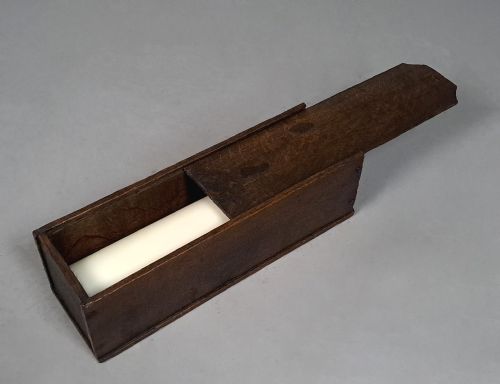
Candle boxes held tallow or wax candles to protect them from dust and household pests. Families mounted them on walls or kept them near hearths.
Slide lids or hinged doors allowed easy access to the candles when rooms darkened. Their survival reflects their sturdy construction from oak and other hardwoods.
How do I care for wooden treen?
Keep wooden treen away from direct heat sources and sudden humidity changes to prevent the timber from splitting. A light application of appropriate wax preserves the surface sheen.
Avoid washing antique treen with water or harsh detergents. Gentle dusting with a soft cloth maintains the historic patination.
How can I tell the age of treen?
Age is judged through tool marks, construction methods, timber species, and the depth of the surface patination. Hand-pit-sawn boards and early jointing techniques indicate seventeenth or eighteenth-century origin.
Regional styles and vernacular construction methods also help place pieces within specific historical periods. Wear patterns should match the stated age of the object.