





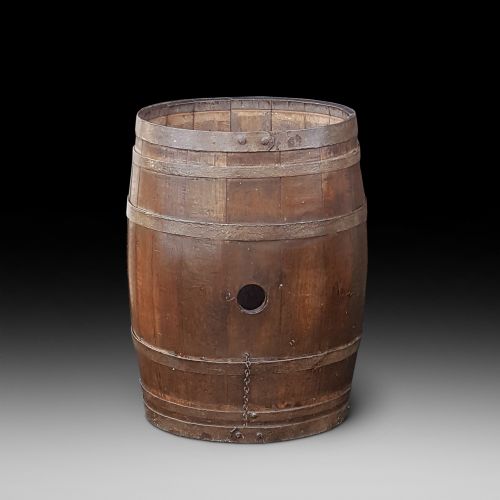
Antique Wooden Cask
An antique wooden cask brings solid utility and honest craft into a room, offering robust storage built by traditional hands.
Antique Wooden Cask
When you search for an antique wooden cask, you meet sturdy coopered vessels shaped for storage, display, or traditional service. These pieces originate from domestic, naval, and tavern settings across the nineteenth and early twentieth centuries.
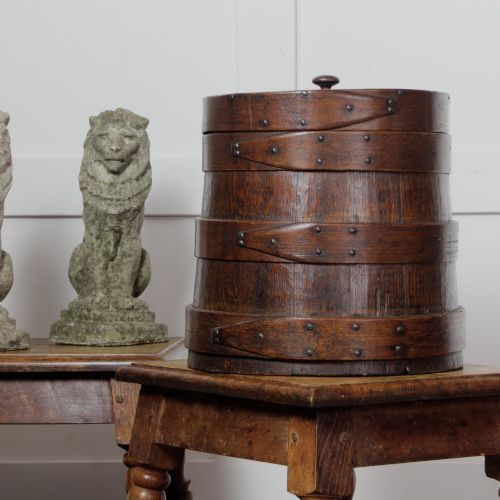
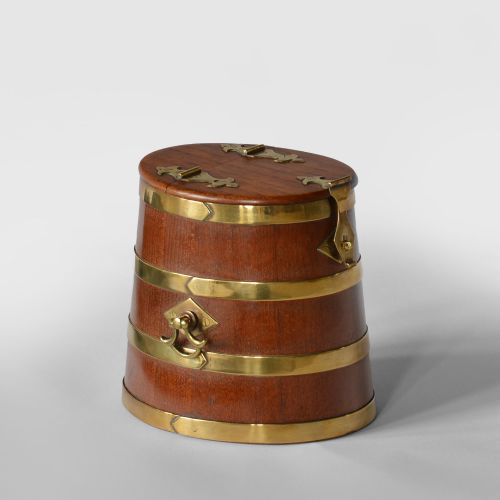
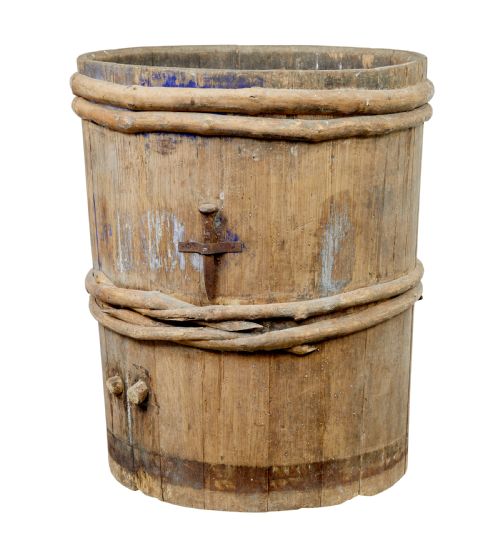
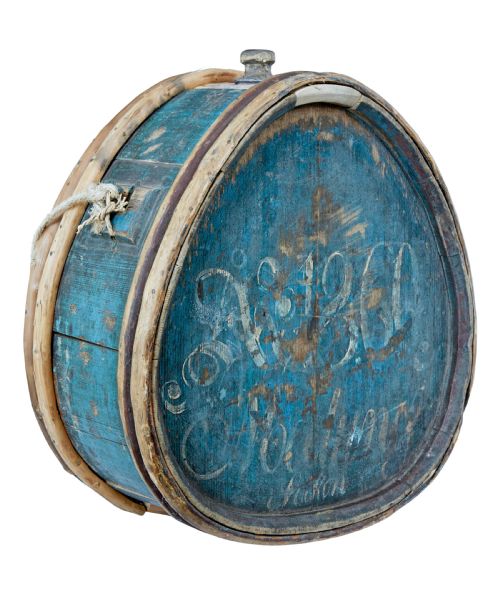
The versions most often met on this page include oak flour bins, brass-bound rum barrels, and rustic pine water carriers. Makers fashioned these items for practical use in Georgian kitchens, Victorian halls, and Scandinavian farmsteads.
You also encounter specialised forms like stick stands and bar-top sherry barrels. Each object reflects the utilitarian demands of its period, utilising honest timber and metal hardware.
How they were made
Coopers shaped individual staves of oak, pine, or mahogany to form the curved body of each cask. These wooden staves fit tightly together without modern adhesives.
Blacksmiths secured the vessels with iron, brass, or wood hoops driven tight around the staves. Some Scandinavian and British pieces also feature painted finishes over the timber.
Antique Wooden Cask Retail Price Guide 2026
Typical asking prices for wooden cask among the pieces listed under this phrase on Sellingantiques today, from the lower quarter to the upper quarter. They describe what is for sale here now, not the wider market.
Listings feature oak, pine, and mahogany vessels secured with iron, brass, and wood hoops across the nineteenth and early twentieth centuries.
What varies in quality
The standard of a cask rests in the precision of the cooperage and the selection of the timber. Tight joints, well-fitted staves, and original metal or wood hoops distinguish superior examples.
Patina and surface preservation separate honest working pieces from heavily altered items. Original brass or iron hardware and intact painted surfaces carry greater integrity.
The Antique Wooden Cask Glossary
- Cooper
- A craftsman who builds wooden staved vessels such as casks, barrels, and tubs. This trade relies on traditional hand tools and geometric precision.
- Stave
- One of the narrow shaped blocks of wood that form the sides of a cask. Staves are tapered to create the characteristic bulge of a barrel.
- Hoop
- A band of iron, brass, or wood that encircles a cask to hold the staves firmly in place. Hoops are driven tight to maintain structural tension.
- Coopered
- Describing an object constructed by a cooper using staves and hoops rather than solid turned or panelled wood. This method ensures liquid-tight or durable storage.
Antique Wooden Cask: Frequently Asked Questions
How were antique wooden casks originally used?
These vessels held dry goods like flour and grain, or liquids including whiskey, gin, brandy, and water. Naval rum barrels and tavern sherry casks served daily rations in institutional and social settings.
Domestic versions also functioned as umbrella stands or general storage bins in hallways and pantries.
How do I clean and care for a wooden cask?
Dust the timber gently with a dry cloth and avoid harsh chemical cleaners that strip the historic finish. Keep the piece away from direct heat sources and dramatic humidity shifts to prevent the wood from splitting.
Applying a traditional beeswax helps nourish dry oak or pine surfaces over time.
How do I date an antique barrel?
Examine the construction marks, the type of metal used for the hoops, and the overall style of the timber. Hand-forged iron or early brass bands often indicate Georgian or Victorian manufacture.
Paint finishes and tool marks left by the cooper provide further clues to nineteenth or early twentieth-century origins.
Can I use an antique cask for holding liquids?
Most antique casks are sold as decorative or storage objects rather than functional containers for liquids. The dry environment of modern homes often causes old staves and wooden or metal hoops to shrink and loosen.
Restoring liquid tightness requires specialised cooperage work to reset the staves.