



Vintage Serving Spoons
These vintage serving spoons encompass centuries of craftsmanship in sterling silver, pewter, and beechwood, offering both utility and heritage for the dining table.
Vintage Serving Spoons
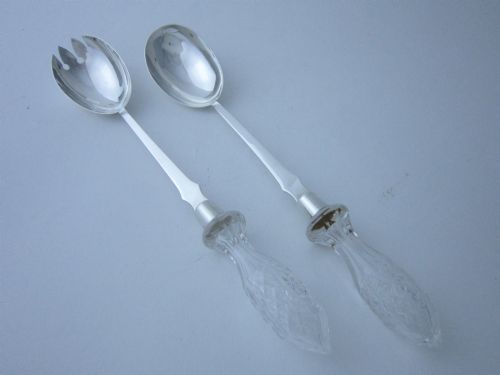
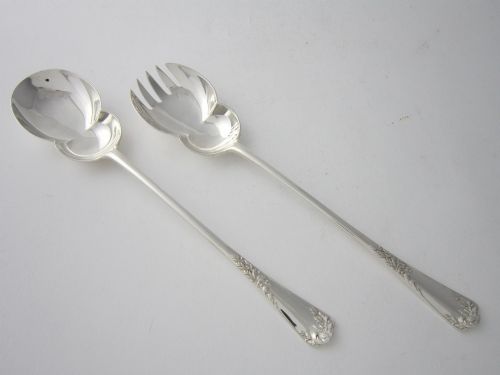
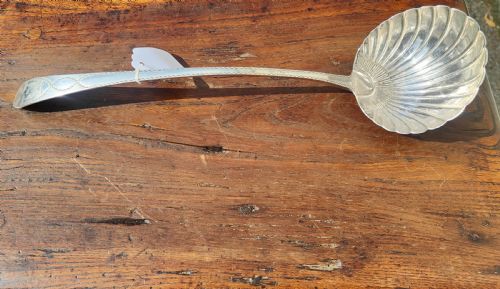
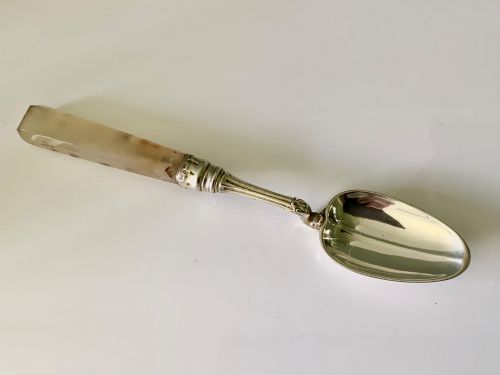
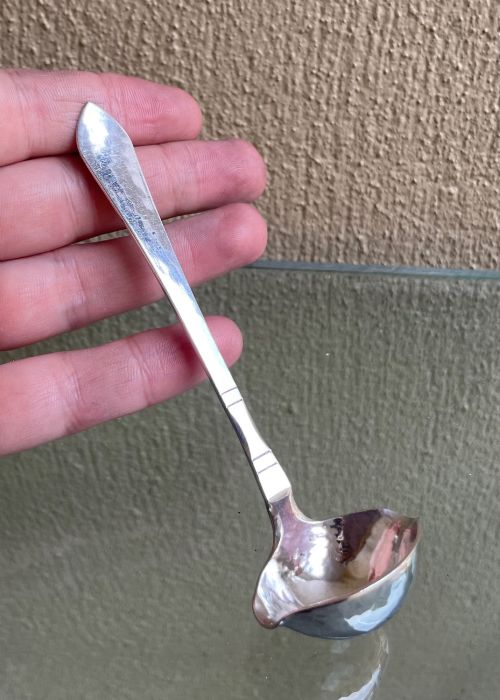
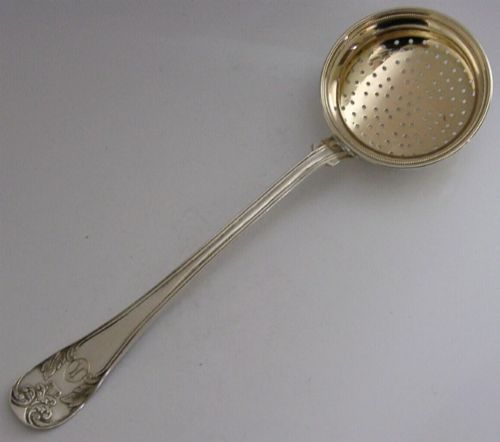
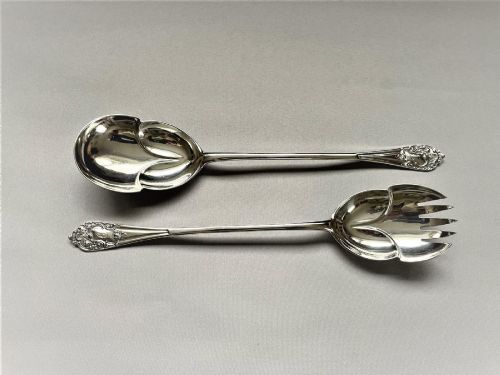
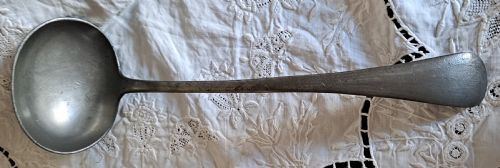
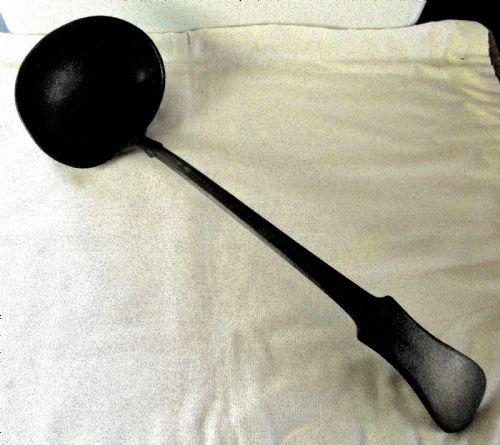
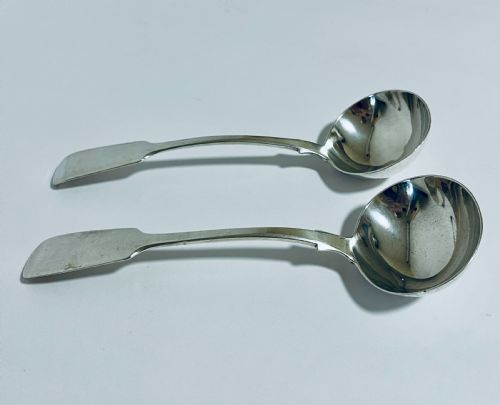
When you search for vintage serving spoons, you encounter a diverse array of larger utensils designed for the dining table and sideboard. These pieces span from the eighteenth century through the twentieth century, encompassing Georgian, Victorian, and Edwardian eras. Forms range from heavy soup ladles and gravy spoons to salad servers, sugar sifters, and marrow scoops.
The material selection on this page leans heavily toward sterling silver and silver plate, alongside pewter, beechwood, and agate. International origins appear alongside British examples, including Scandinavian, Dutch, German, French, and Inuit pieces. Buyers find both individual items and matched pairs or boxed sets intended for specific dining rituals like fruit, dessert, or salad courses.
Materials and Techniques
Makers shaped these vintage serving spoons primarily from solid sterling silver, silver plate, and pewter, often incorporating natural elements such as beechwood, agate, silk, and velvet linings in presentation boxes. Techniques involve hammering, casting, and hand-engraving, producing decorated bowls and pierced strainer spoons.
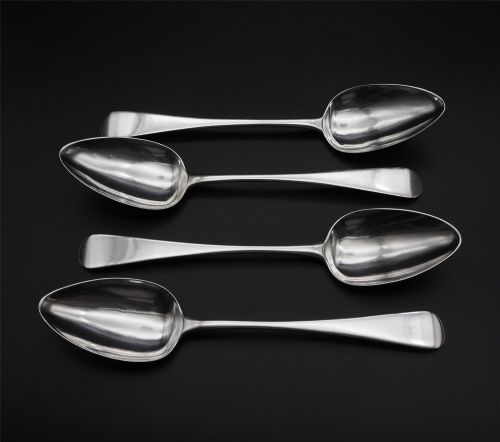
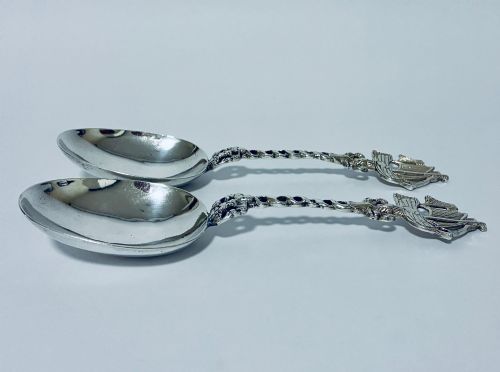
Silversmiths utilised traditional methods like the rat tail reinforcement on bowl backs, and applied cast handles in styles from plain Old English to ornate Art Nouveau and Neo-Renaissance patterns. Continental pieces demonstrate high-purity silver standards, while pewter and wooden basting spoons show robust domestic manufacturing.
Vintage Serving Spoons Retail Price Guide 2026
Typical asking prices for vintage serving spoons among the pieces listed under this phrase on Sellingantiques today, from the lower quarter to the upper quarter. They describe what is for sale here now, not the wider market.
Regional styles span British, Scandinavian, French, German, Dutch, and Inuit origins.
Judging Quality
The standard of a piece rests upon the weight of the metal and the crispness of the hand-engraving or chasing on the bowl and handle. Heavier gauge silver and solid construction distinguish substantial ladles and marrow scoops from lighter, plated alternatives.
Design sophistication also divides the range, where sculptural elements like cast handles or integrated strainers reflect superior workshop execution. Maker attribution and clear hallmarks provide additional indicators of origin and workshop pedigree.
Georg Jensen·John Yates·Dixon And Son·Jonathan Hayne·Tiffany And Co·Hukin And Heath·Henri Soufflot·Whiting Co
The Vintage Serving Spoons Glossary
- Basting spoon
- A large utensil originally used for spooning juices over roasting meat. These measure considerably longer than standard table spoons.
- Stilton scoop
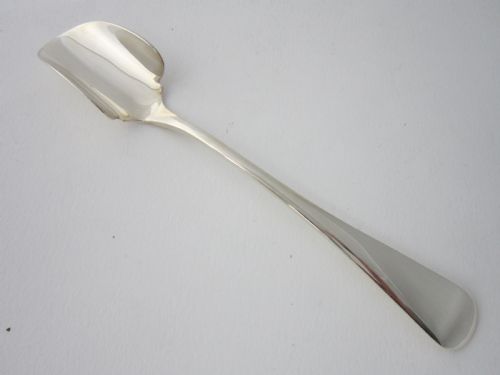
- A specialised tubular or half-cylindrical spoon designed for cutting and serving hard cheeses. They often feature bone, ivory, or silver handles.
- Sugar sifter
- A ladle or spoon with a pierced bowl intended for dusting powdered sugar over fruit or desserts. Examples often appear in Edwardian and late Victorian collections.
- Rat tail
- A strengthening tongue of metal extending from the underside of the spoon bowl down the shaft. This traditional feature reinforces the joint.
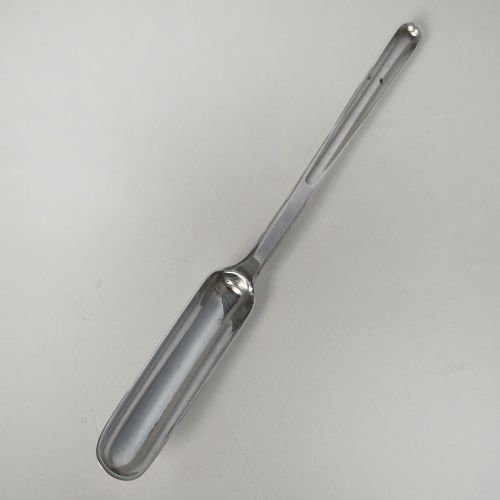
- Marrow scoop
- A narrow, double-ended utensil with trough-like bowls for extracting bone marrow. They date frequently to the Georgian and nineteenth-century periods.
Vintage Serving Spoons: Frequently Asked Questions
What are vintage serving spoons used for?
These larger utensils serve specific dining functions such as dishing vegetables, ladling soups, serving salads, or portioning desserts. They bring historic craftsmanship to modern table settings.
Collectors often select them for holiday feasts or display them within cabinet collections to appreciate the diverse regional styles.
How do I identify a Georgian spoon?
Georgian pieces generally exhibit hallmarks indicating the reigns of the Kings George, spanning the eighteenth and early nineteenth centuries. Their forms typically follow simpler, robust lines or feature early shell motifs.
Examining the assay office marks and date letters provides exact verification of their period of manufacture.
Are silver plate and solid silver different?
Solid silver, including sterling and higher purity continental standards, consists of precious metal throughout the entire piece. Silver plate involves a thin layer of silver bonded over a base metal core.
Hallmarks on solid silver items indicate the purity and origin, whereas plated items usually feature manufacturer marks denoting the plating process.
How should I care for pewter spoons?
Pewter requires gentle washing with mild soap and warm water followed by immediate drying with a soft cloth. Avoid harsh chemical cleaners that can strip the historic surface.
Storing pewter in dry conditions prevents oxidation and preserves the soft, muted lustre characteristic of the metal.