


Rustic Pine Mule Chest
A rustic pine mule chest brings honest country utility and warm timber grain into a room.
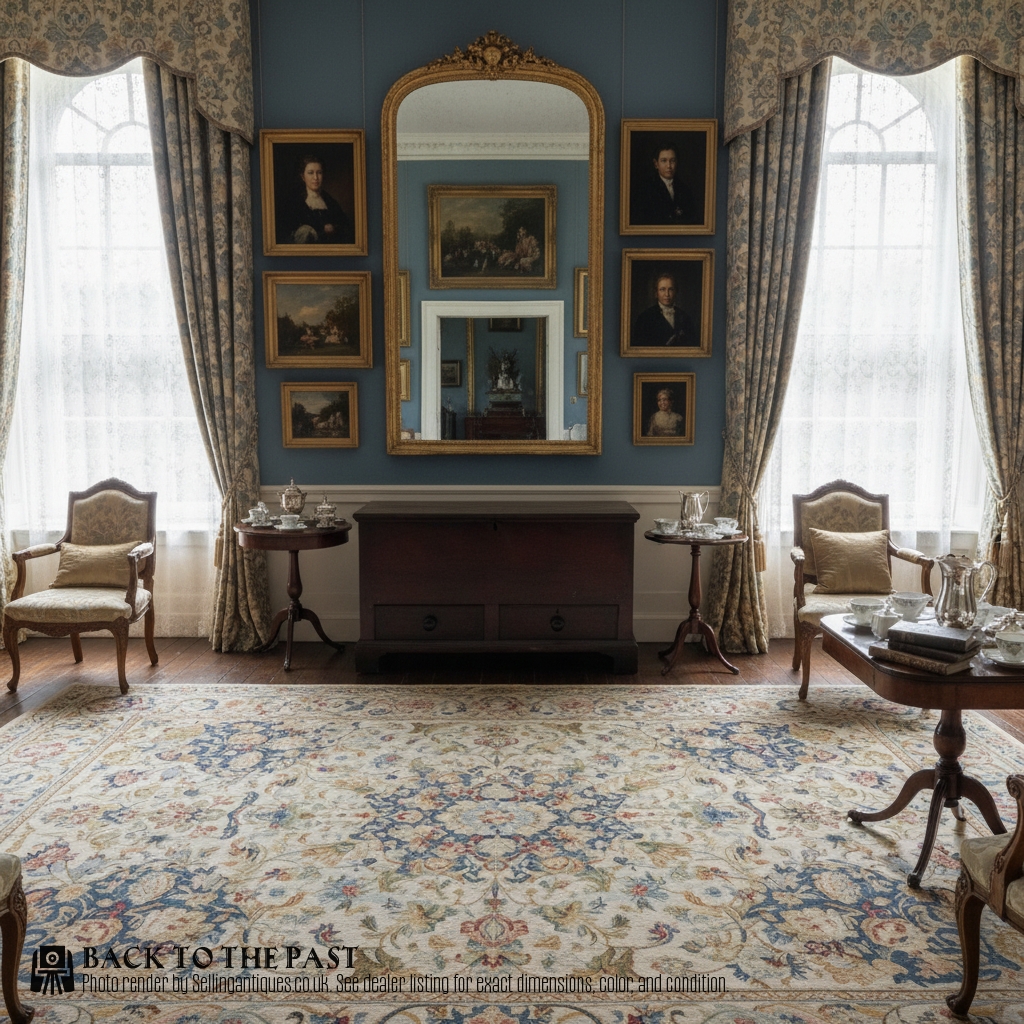
Rustic Pine Mule Chest
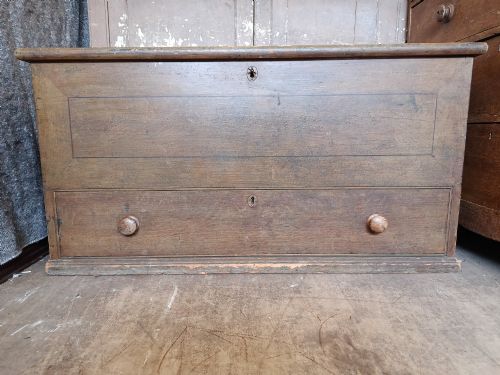
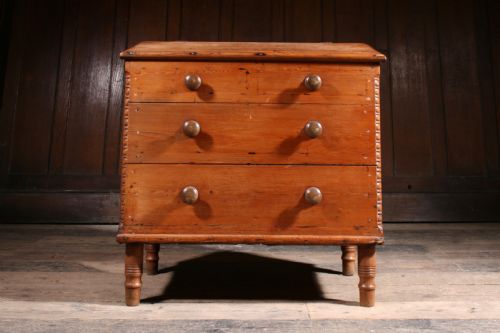
When you search for a rustic pine mule chest, you are looking at robust storage furniture combining a lift-lid coffer with one or more lower drawers. These pieces served generations of rural households for linens, blankets, and personal belongings.
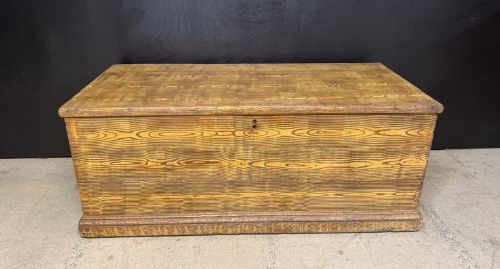
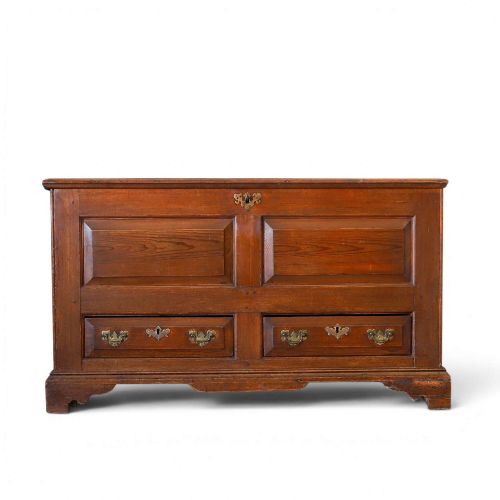
The versions you are most likely to meet on this page span the eighteenth and nineteenth centuries, taking forms such as Georgian country boxes, early Welsh panelled chests, and Victorian scumbled storage boxes. They emerge from regional cabinet-making traditions where sturdy utility mattered above all.
Many examples in this selection display the honest signs of hard daily use, from waxed patinas to original painted surfaces. They bridge the gap between simple blanket boxes and fully developed chests of drawers.
How they were made
Makers constructed these chests primarily from solid pine and Oregon pine, selecting softwood planks for local availability and ease of working. Carpenters joined panels using traditional methods like dovetails and tongue-and-groove construction to withstand heavy daily lifting and shifting.
Iron and brass hardware, including strap hinges, carrying handles, and key escutcheons, reinforced the corners and lids of the boxes. Surfaces were frequently finished with simple beeswax, traditional paint, or scumbled glazes designed to mimic richer timbers.
Materials recorded across these listings include solid pine, Oregon pine, iron hardware, brass fittings, and traditional painted surfaces.
What varies in quality
The distinction between ordinary and exceptional pieces rests upon structural integrity and the survival of original surface finishes. Chests retaining their early painted coats, scumbled decoration, or deep waxed patinas command greater interest than those stripped down to bare wood.
Proportion and detail also set examples apart, such as the presence of bracket feet, panelled construction, and well-fitted lower drawers. The quality of the original iron or brass mounts further marks out a superior piece of country furniture.
The Rustic Pine Mule Chest Glossary
- Mule chest
- A traditional storage chest featuring one or more drawers set beneath the main lifting compartment. It represents a transitional form between the simple coffer and the chest of drawers.
- Scumbled
- A decorative paint technique involving translucent layers dragged or brushed over a base coat to simulate the grain of more expensive woods. Victorian country makers used this to elevate humbler pine surfaces.
- Coffer
- A heavy wooden box with a hinged lid used historically for storing valuables and textiles. Unlike a mule chest, a traditional coffer lacks the lower drawer.
- Blanket box
- A large chest designed specifically for holding bedding and linens. These often form the basis of the broader mule chest category when a drawer is added below.
- Waxed
- A surface finish achieved by applying natural beeswax to bare timber and buffing it to a soft sheen. This treatment protects the pine while darkening the grain over generations.
Rustic Pine Mule Chest: Frequently Asked Questions
What is a rustic pine mule chest?
A rustic pine mule chest is a traditional storage box that combines a top-opening compartment with one or more drawers underneath. These pieces were built for everyday household use in country settings.
They offer deep storage capacity while bringing historical character and warm pine timber tones into modern interiors.
How were mule chests used originally?
Rural households used these chests to store heavy woollen blankets, household linens, and personal garments before fitted wardrobes became common. The lower drawer allowed owners to reach smaller items without lifting the main lid.
Their sturdy construction also meant they frequently served as benches or tables in modest rural homes.
How do I live with a mule chest?
These chests function exceptionally well as living room coffee tables, bedroom blanket boxes, or hallway storage benches. Their generous proportions provide practical storage while anchoring a room with period character.
Keep them away from direct heat sources and sudden temperature shifts to protect the historical pine timber and wax finishes.
How do I tell periods apart?
Eighteenth-century examples often feature hand-cut dovetails, simpler bracket feet, and deep waxed patinas built up over centuries. Nineteenth-century pieces frequently introduce painted finishes, scumbled decoration, or more standardised hardware.
Construction details and the type of secondary woods used inside the drawers also help indicate whether a chest dates from the Georgian era or the later Victorian period.