
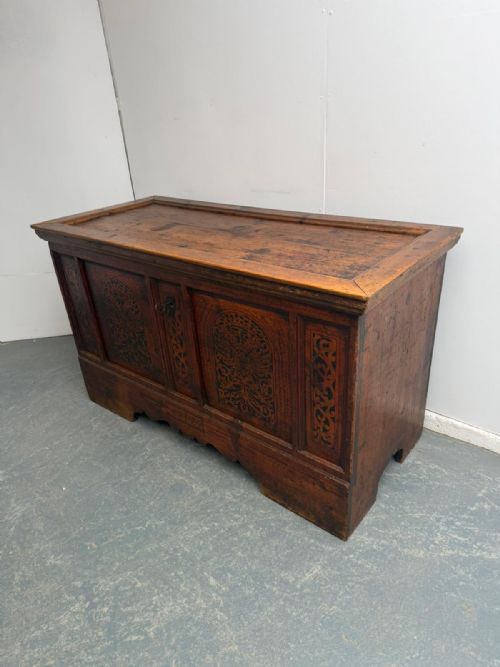


Brown Painted Chest
A brown painted chest offers robust domestic storage clothed in historic coats of scumble, graining, or flat pigment.
Brown Painted Chest
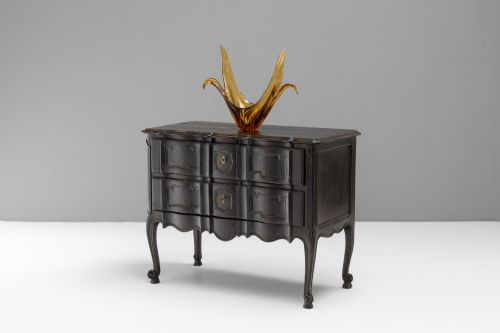
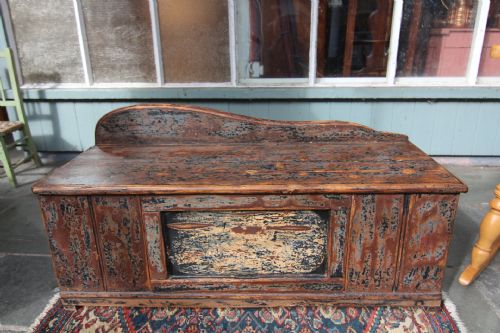
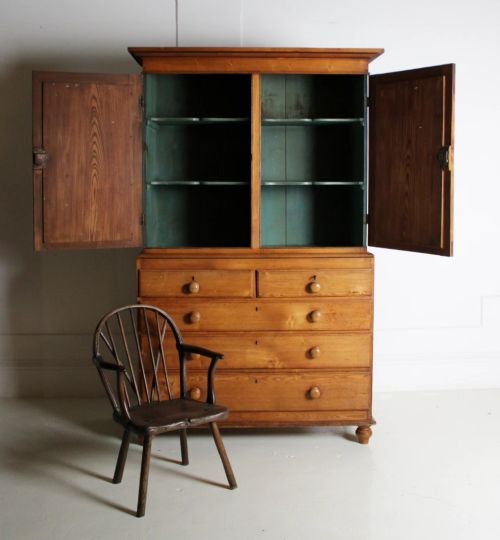
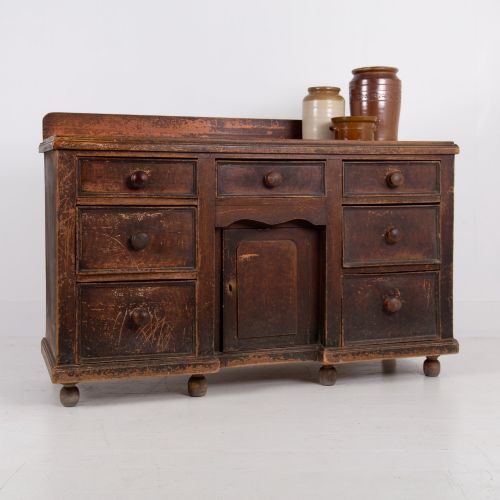
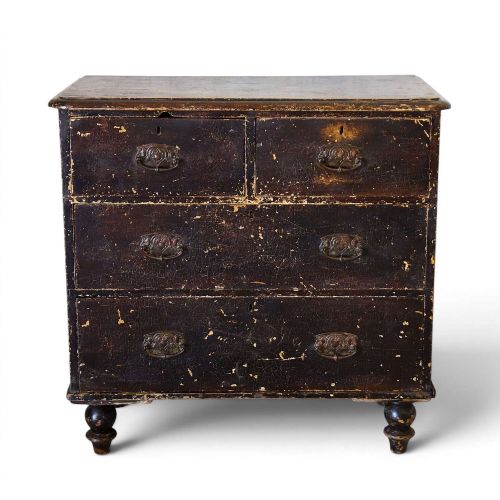
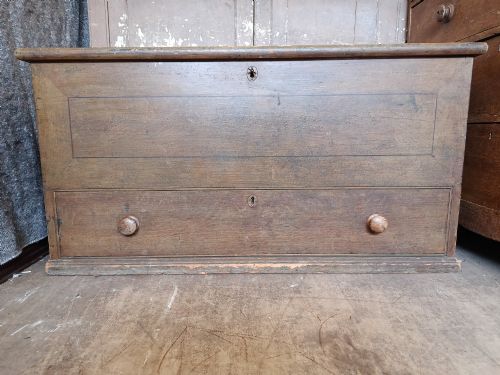
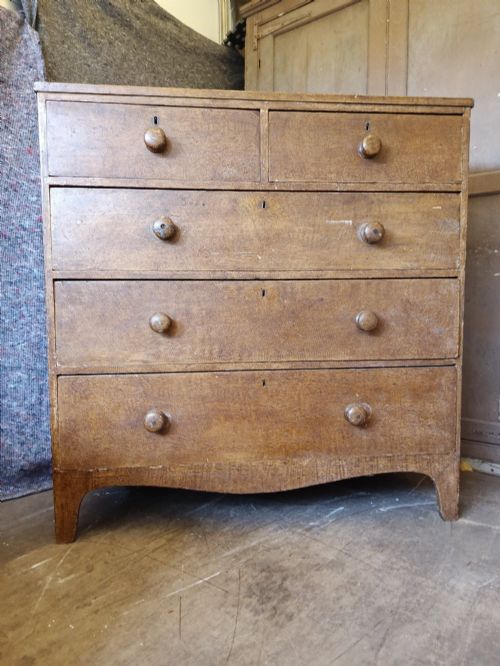
A search for a brown painted chest brings up a utilitarian mix of pine chests of drawers, blanket boxes, mule chests, and storage trunks originating mostly from the nineteenth century and the Victorian era. These pieces vary widely in scale, from small Welsh coffers and country farmhouse storage boxes to large Scottish chests of drawers and housekeepers cupboards.
The domestic forms recorded on this page range from simple hinged blanket chests on bracket feet to multi-drawer apothecary and farmers chests. Alongside British country pine, the selection draws in regional European examples, including Swedish decorated boxes and Hungarian coffer boxes, spanning periods from the eighteenth century through to the Edwardian years and the nineteen-thirties.
Materials and methods
The underlying carcases are predominantly constructed from timber such as pine, ash, oak, and occasionally mahogany, assembled with traditional joinery suited to daily utility. Iron and brass hardware, including strap hinges, metal binding, and locks, secure these storage pieces.
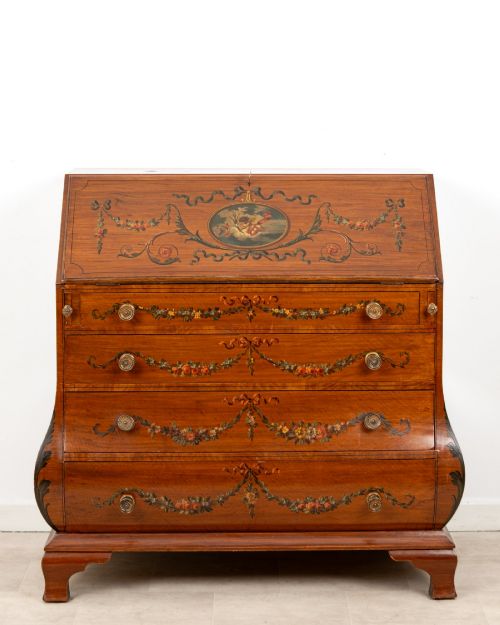
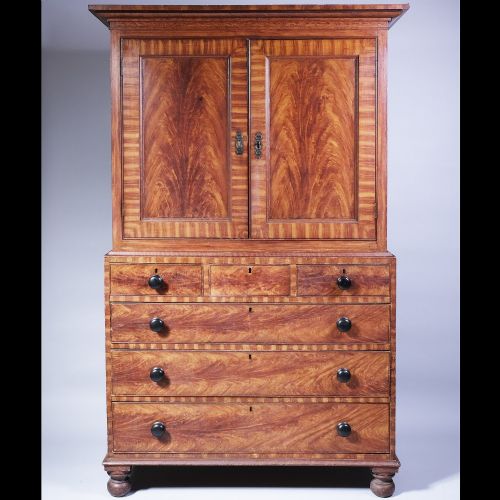
Surfaces are finished with paint, scumble, graining, or lacquer, often applied directly over the wood to simulate richer timbers or to provide a durable protective coating. This layered pigmentation defines the exterior character of each trunk, commode, and chest of drawers.
One nineteenth-century Swedish pine chest comes decorated with an intricate labyrinth painted directly onto the wood.
Distinctions in craftsmanship and finish
Quality rests in the integrity of the original paint layer and the preservation of surface texture, whether through scumbling, simulated wood graining, or hand-painted decoration. Pieces retaining untouched, period-correct pigment layers without heavy modern intervention stand apart from heavily stripped or re-painted examples.
Structural joinery, the thickness and stability of the timber used for carcases and drawers, and the retention of original brass or iron hardware dictate the physical grade of each chest. Refined details like bracket feet, panelled lids, and intact interior fittings elevate individual pieces above standard utility furniture.
The Brown Painted Chest Glossary
- Scumble
- A translucent or semi-opaque layer of darker paint dragged or combed over a lighter base colour to simulate the natural grain of more expensive hardwoods. It is commonly found on nineteenth-century pine furniture.
- Mule chest
- A traditional storage chest featuring one or more drawer compartments built beneath the main hinged lid space. They combine the storage accessibility of a drawer unit with the deep capacity of a blanket box.
- Coffer
- A heavy wooden box or chest traditionally used for storing valuables, linens, or documents. These sturdy containers often feature hinged lids and iron or brass mountings.
- Commode
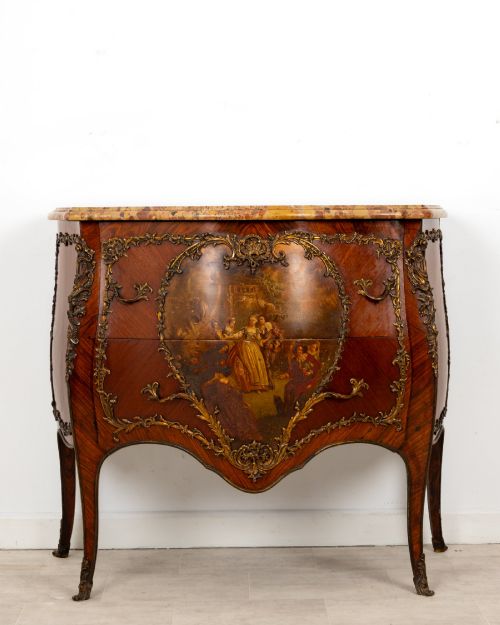
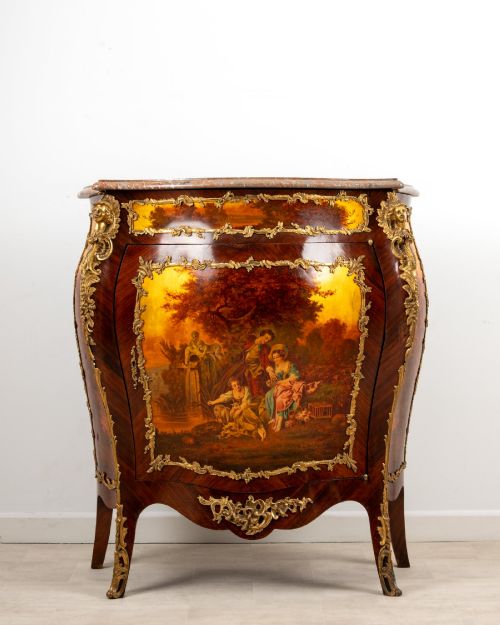
- A decorative low chest of drawers or cabinet, frequently associated with eighteenth and nineteenth-century continental European styles. They often incorporate polished marble tops and elaborate mounts.
- Graining
- A decorative painting technique used to imitate the distinct patterns of wood such as oak, mahogany, or satinwood. Craftsmen utilised specialised combs and brushes to manipulate wet paint over a prepared surface.
Brown Painted Chest: Frequently Asked Questions
What is a scumble painted chest?
A scumble painted chest is a piece of furniture finished with a semi-opaque glaze dragged over a lighter ground to mimic wood grain. This decorative technique was widely applied to utilitarian pine furniture during the nineteenth century.
It gave ordinary domestic storage an appearance of richer timber while adding a durable protective layer to the exterior surface.
How do I date a painted pine chest?
Dating relies on examining construction methods, nail types, drawer joinery, and the style of the hardware alongside the paint layer. Nineteenth-century examples often display hand-cut joints and heavy hinges suited to practical household storage.
Changes in hardware design and regional decorative traditions also help narrow the manufacturing period from the early eighteen-hundreds through to the early twentieth century.
What is the difference between a mule chest and a blanket box?
A blanket box is a simple chest with a single top-opening lid used primarily for storing textiles. A mule chest incorporates one or more working drawers beneath the main storage well.
This addition allowed users to access smaller items without having to lift the heavy hinged lid or disturb the contents piled on top.
How do I care for antique painted wood?
Antique painted wood requires protection from direct sunlight, excessive heat, and sudden humidity changes that can cause the paint layer to flake or the timber to warp. Dusting gently with a dry, soft cloth is sufficient for daily maintenance.
Avoid using harsh chemical cleaners, abrasive polishes, or modern solvents that might strip or soften the historic paint or scumble glaze.