

Victorian Small Chest
When you search for a victorian small chest, you seek compact scale combined with substantial nineteenth-century timber construction for domestic storage.
Victorian Small Chest
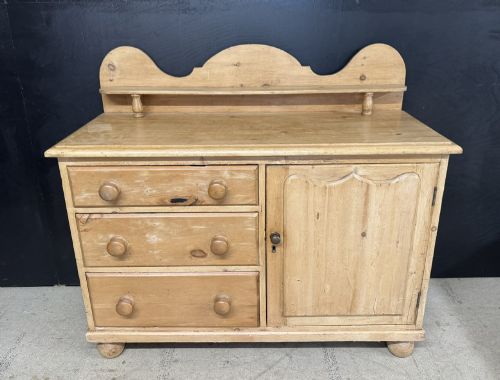
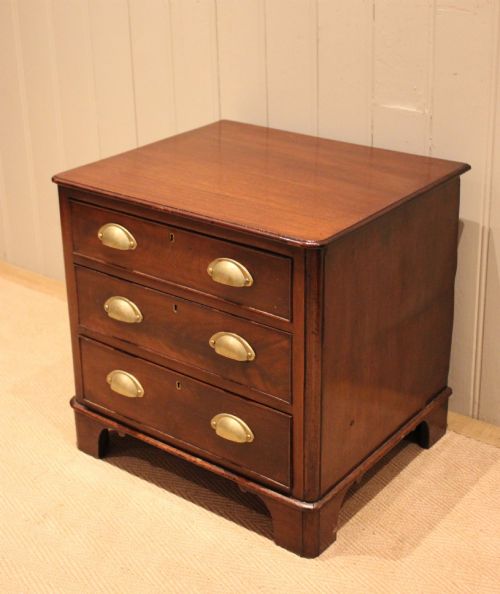
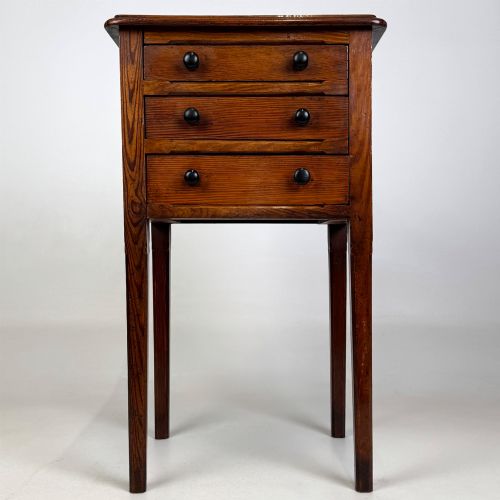
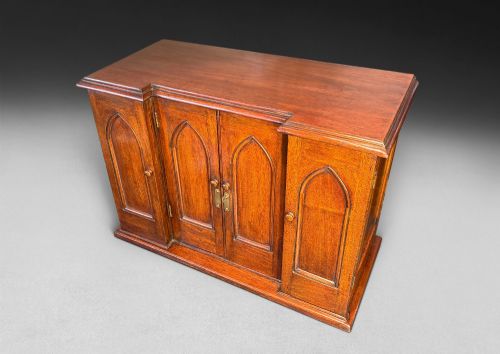
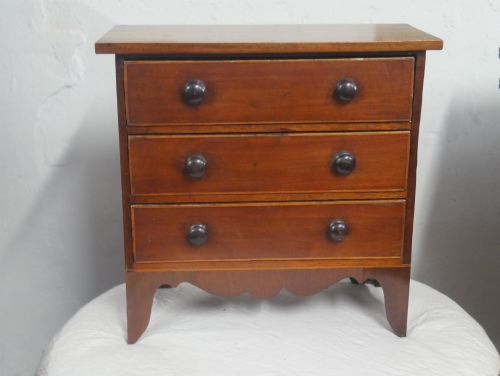
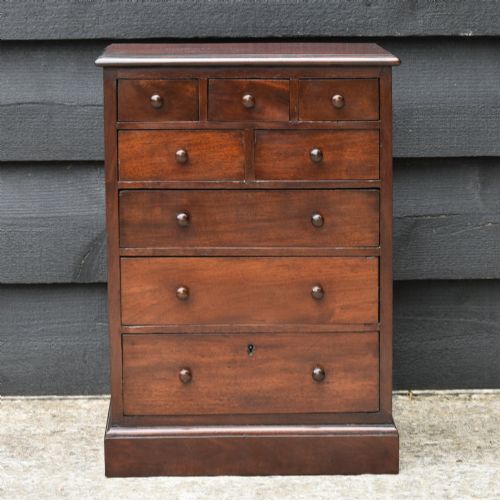
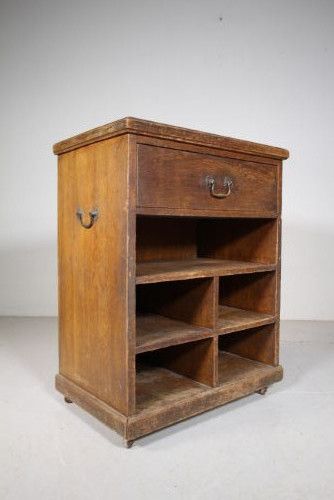
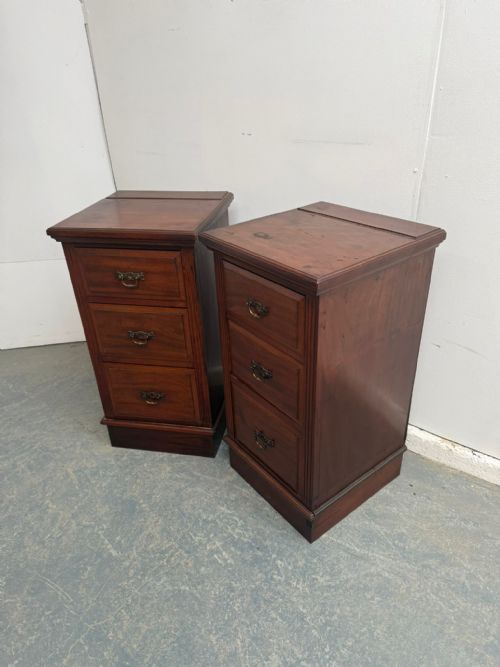
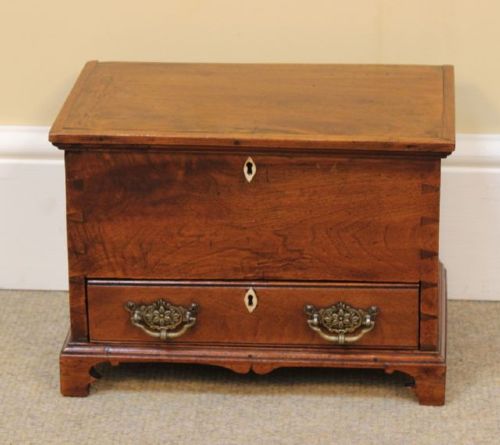
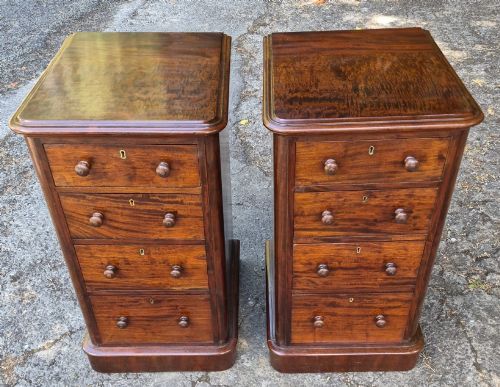
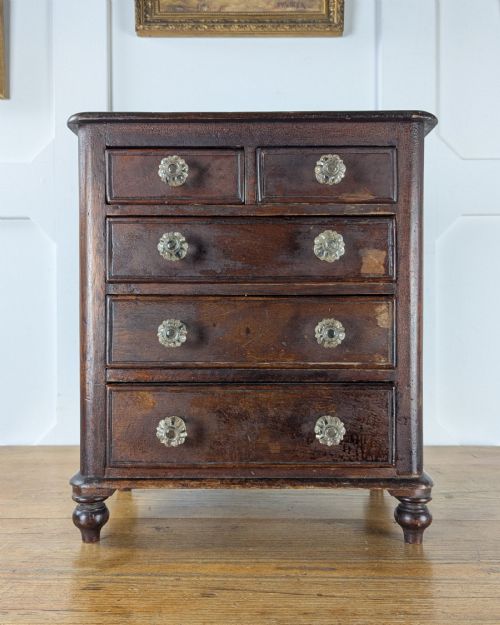
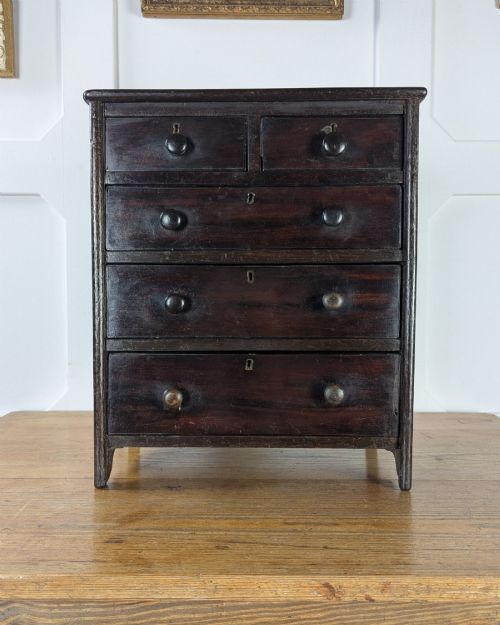
The versions most commonly met on this page include mahogany bedside chests, tabletop collector cabinets, and miniature drawer units made by regional cabinetmakers. Pieces in pine, walnut, and oak also appear frequently, reflecting diverse domestic requirements across the period.
Materials and Technique
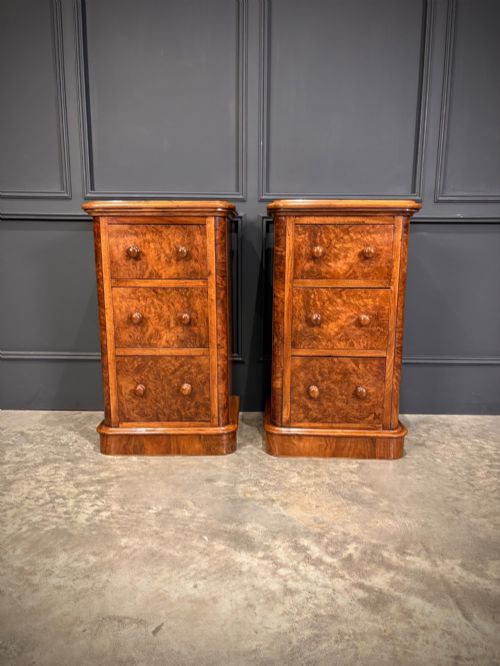
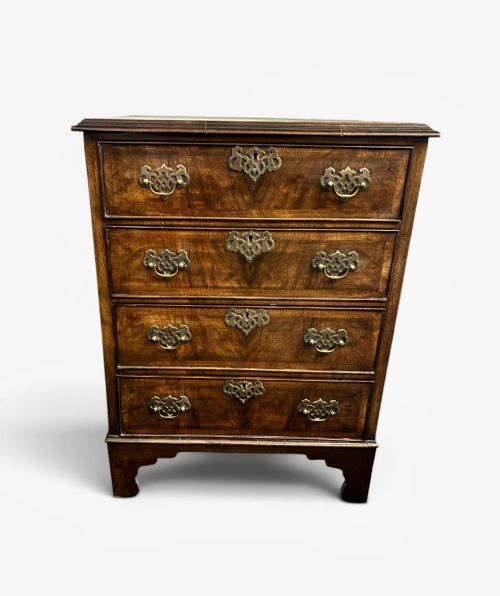
Makers utilised solid hardwoods like mahogany, walnut, and oak alongside softer pine for internal framing and simpler rural items. Burr walnut and flame mahogany veneers provided decorative surface figures on finer cabinet fronts.
Joinery techniques relied on dovetailed drawer construction and turned wooden feet, while specialised locking mechanisms appeared on Wellington chests and apothecary boxes. Wax finishes protected the timber grain and brought out natural colour variations.
Listings feature mahogany, pine, walnut, and oak across Victorian and nineteenth-century forms.
Evaluating Standards
The division between standard and superior pieces rests on timber selection and timber preparation. Figured veneers, matching grain patterns across drawer tiers, and dense secondary woods indicate superior workshop standards.
Proportion and execution define the success of miniature and apprentice items. Crisp turning on feet, tight dovetails, and original brass hardware distinguish skilled cabinetwork from utilitarian workshop output.
The Victorian Small Chest Glossary
- Apprentice piece
- A small-scale item created by a trainee cabinetmaker to demonstrate proficiency to a guild or master. These items replicate full-size furniture forms in miniature.
- Wellington chest
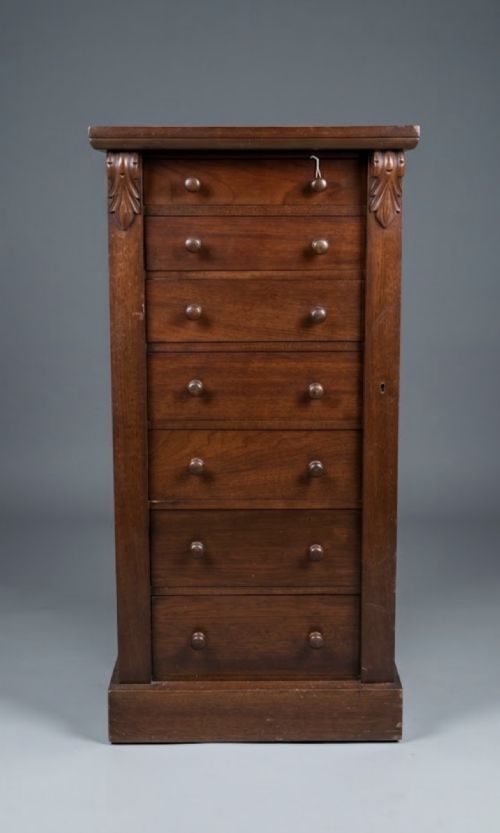
- A tall, narrow chest of drawers secured by a locking side stile that fastens over the drawer edges. This form originated in the nineteenth century for secure document storage.
- Burr walnut
- Timber taken from the wart-like growths on walnut trees, yielding highly swirled and mottled grain patterns. Cabinetmakers sliced this wood into thin veneers for decorative surfaces.
- Bow front
- A convex curved chest front that projects outward in an arc. This styling required precise joinery to shape drawer fronts and matching frames.
- Brushing slide
- A pull-out shelf integrated above the top drawer of a chest, used for folding clothes or inspecting items. It retracts flush when not in use.
Victorian Small Chest: Frequently Asked Questions
What is an apprentice chest?
An apprentice chest is a miniature version of a larger piece of furniture, built by a craftsman in training to prove their skills.
These small items feature the same structural joinery and timber choices as domestic furniture of the period.
How were bedside chests used?
Bedside chests provided enclosed storage for night-time essentials, chamber pots, or personal valuables within nineteenth-century bedrooms.
Pairs often flanked larger bedframes, providing symmetrical storage at mattress height.
How do I identify mahogany timber?
Mahogany displays a rich reddish-brown tone that deepens with age, accompanied by a straight or slightly interlocking grain pattern.
Cabinetmakers favoured this heavy hardwood for its stability and resistance to warping in domestic environments.