


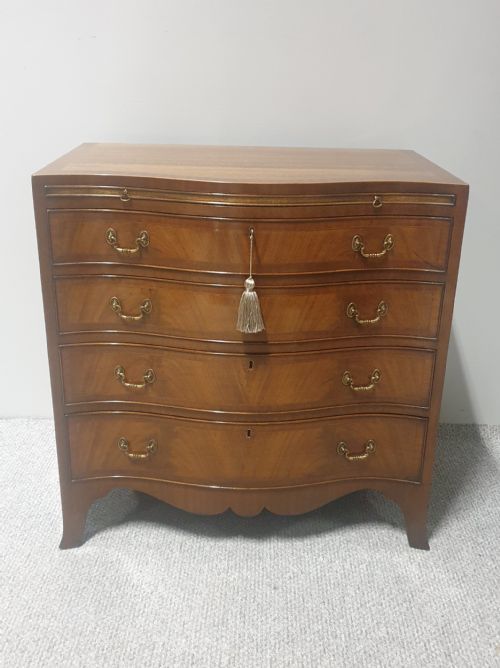

Small Proportion Chest
A small proportion chest brings compact scale and period character to tight corners, offering neat storage without dominating a room.
Small Proportion Chest
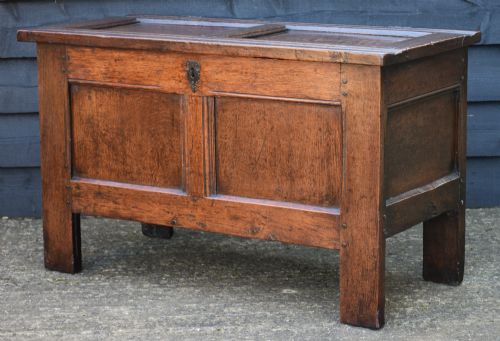
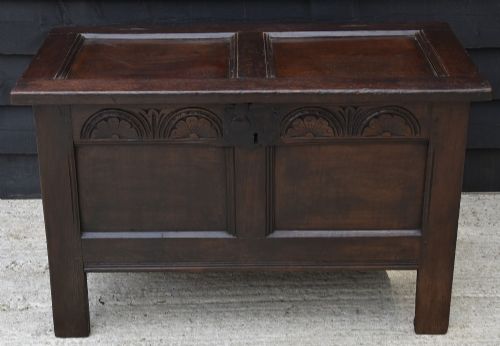
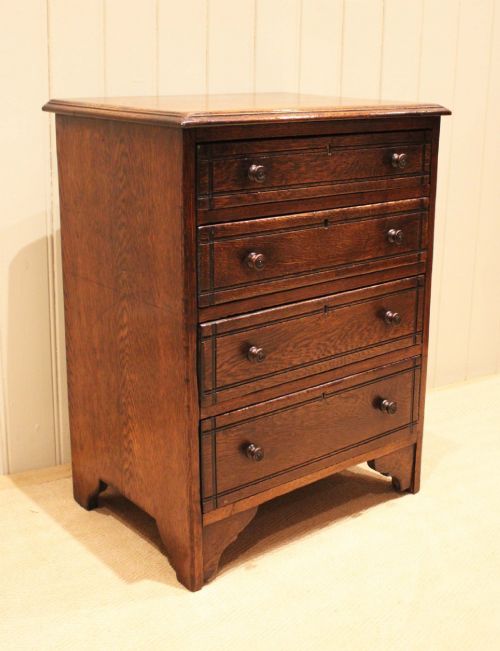
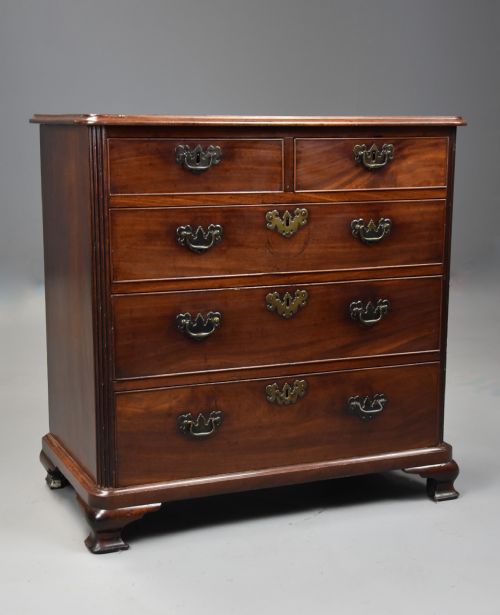
When you search for a small proportion chest, you are looking at scaled-down furniture designed to fit compact spaces without sacrificing storage. The versions you are most likely to meet on this page span the seventeenth, eighteenth, and nineteenth centuries, taking the form of chests of drawers, coffers, and bachelors' chests in mahogany, oak, and walnut.
These pieces come from periods ranging from the Georgian and Regency eras through to later revival decades like 1910 and 1920. Alongside standard drawer configurations, the evidence shows related forms such as secretaire cabinets, bookcases, and chests on stands, all sharing a notably reduced footprint.
How they were made
Cabinetmakers constructed these pieces using solid timbers like oak and mahogany, often applying veneers of walnut, burr walnut, and figured mahogany to primary display surfaces. Drawer construction typically involved hand-cut dovetails, while brass handles, escutcheons, and bracket or ogee feet completed the assembly.
Surface treatments relied on traditional polishing methods that built up a distinct sheen over decades of use. Iron hardware occasionally appears on earlier coffer boxes, while decorative elements like crossbanding and inlay work surface on later Georgian examples.
Periods represented span from the 17th century through the Georgian and Regency eras to the 1920s.
What varies in quality
The degree of refinement in timber selection divides the standard examples from the exceptional ones. Highly figured grain patterns, such as burr walnut or flame mahogany, elevate a piece above plain stock.
Proportional harmony and crispness of carving or inlay also dictate where a chest sits in the range. Original hardware and undisturbed surface patination carry significant weight in establishing the integrity of an antique.
The Small Proportion Chest Glossary
- Patina
- The surface sheen and mellowing developed by wood over long periods of time. It reflects the history of handling and polishing.
- Bachelors chest
- A compact chest of drawers featuring a fold-over top or a sliding board used for writing. These pieces date predominantly from the Georgian period.
- Bracket foot
- A simple foot shape supporting cabinet furniture at the corners, typically mitred at the angle. They appear frequently on eighteenth-century chests.
- Secretaire chest
- A chest containing a fitted writing drawer with small compartments and pigeonholes behind a drop-front panel. It combines storage with a writing desk.
- Ogee bracket foot
- A foot shaped with an S-curve profile, curving outward at the top and inward toward the floor. This detail provides decorative elevation on case furniture.
Small Proportion Chest: Frequently Asked Questions
What is a small proportion chest?
A small proportion chest is a compact storage piece built with a reduced footprint compared to standard domestic furniture.
These items encompass chests of drawers, coffers, and bachelor chests designed to occupy less floor space while retaining full utility.
How were these chests used?
They served primarily for storing garments, linens, and personal valuables in smaller chambers or dressing rooms.
Versions featuring a sliding writing shelf or a drop-front drawer also functioned as writing desks for correspondence.
How do I live with one?
Their modest scale allows them to fit neatly into hallways, alcoves, and compact bedrooms where standard furniture proves too bulky.
Keep them away from direct heat sources and sunlight to protect the timber and veneer surfaces from drying out.
How can I tell periods apart?
Earlier seventeenth-century examples typically feature heavy oak construction, panelled fronts, and geometric mouldings.
Eighteenth-century and Regency pieces lean towards mahogany and walnut, showcasing finer bracket feet, cockbeading, and symmetrical drawer arrangements.