



Tabletop Drawer Unit
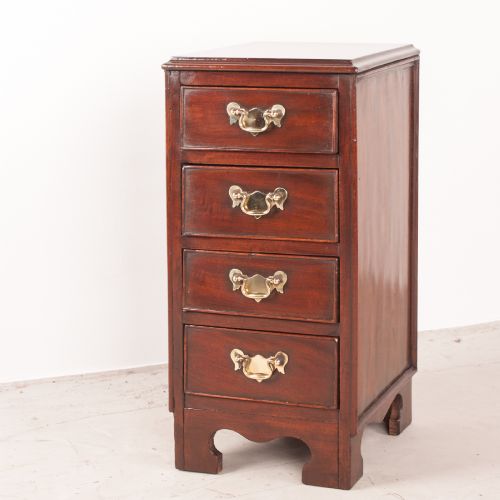
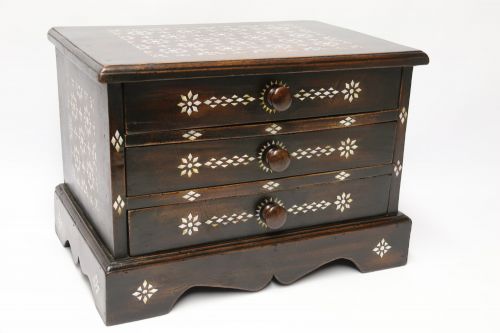
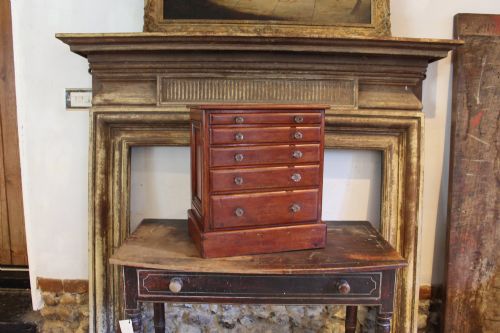
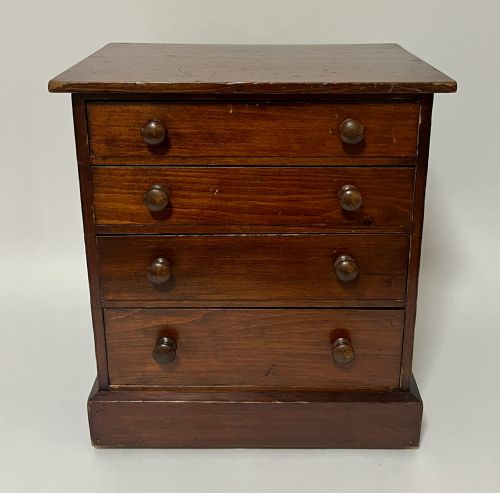
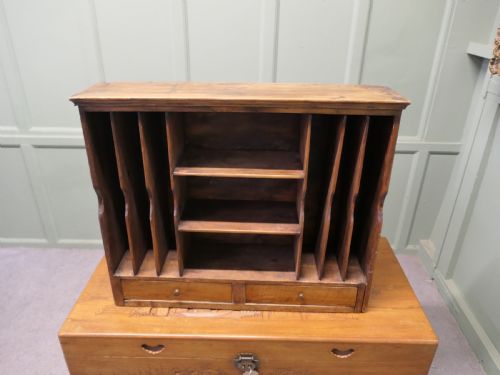
These tabletop drawer unit examples are compact storage pieces designed for surfaces, offering practical organisation with traditional character.
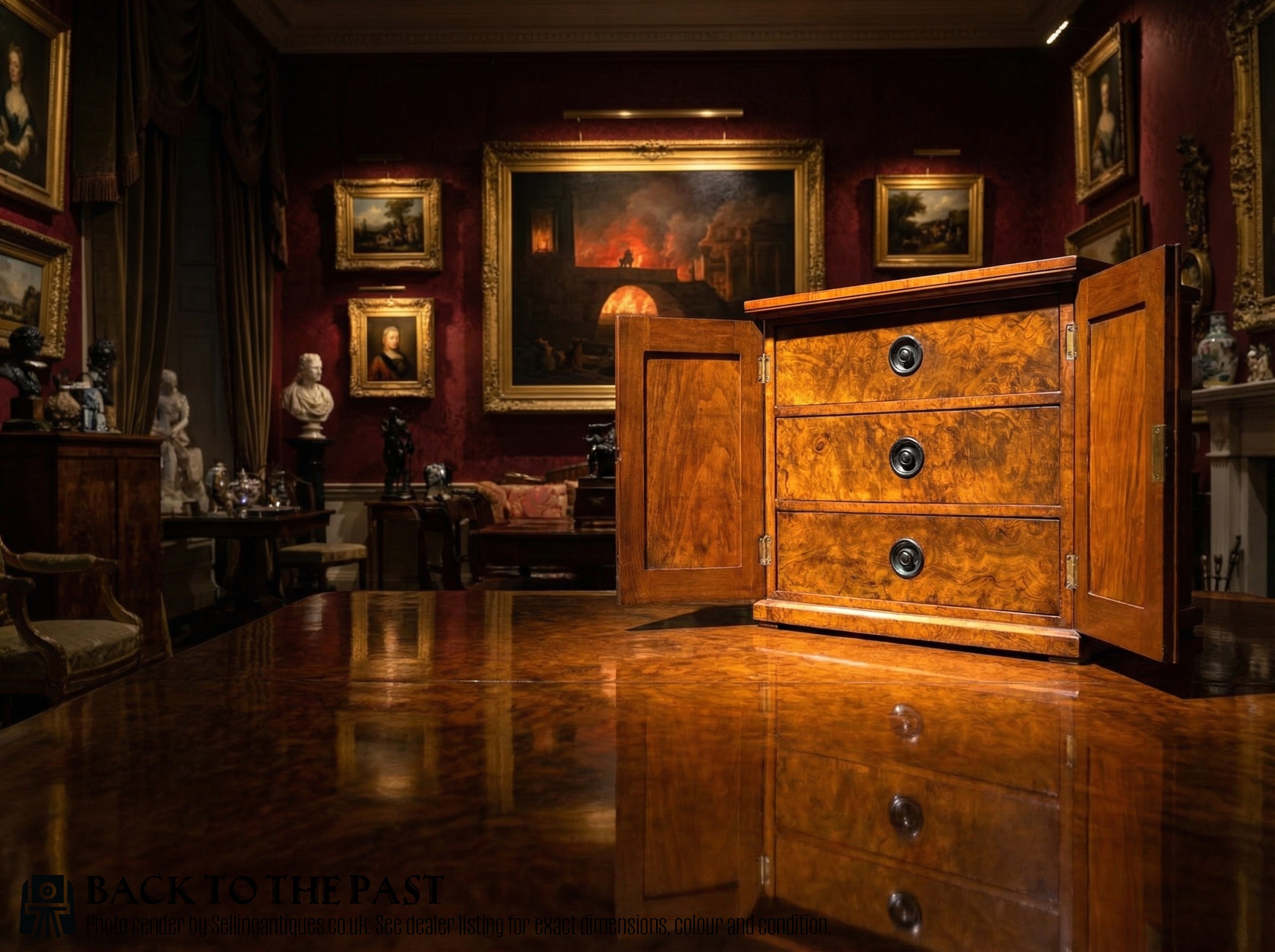
Tabletop Drawer Unit
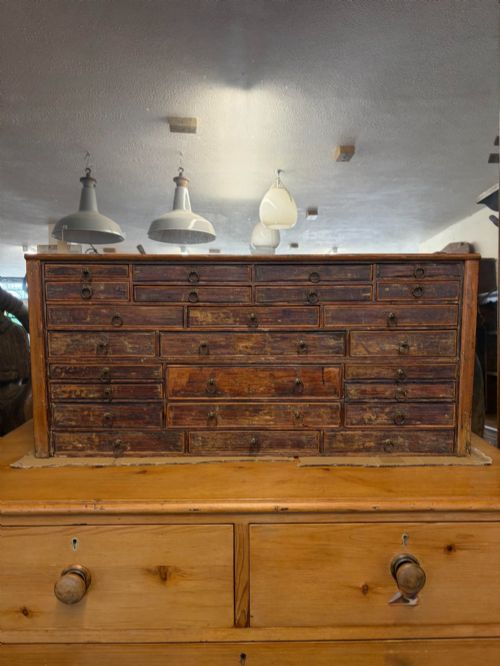
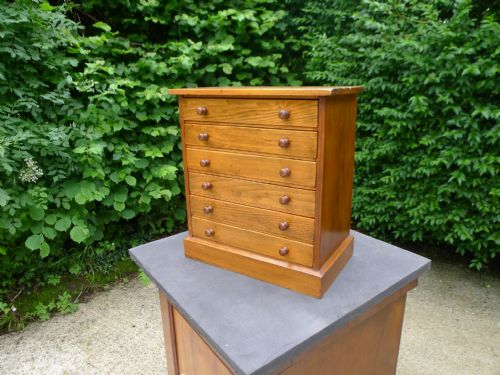
A tabletop drawer unit provides compact storage and display space, taking forms such as miniature chests, collector cabinets, and specialised filing drawers. These pieces sit comfortably upon counters, desks, and dressing tables while offering multi-drawer utility.
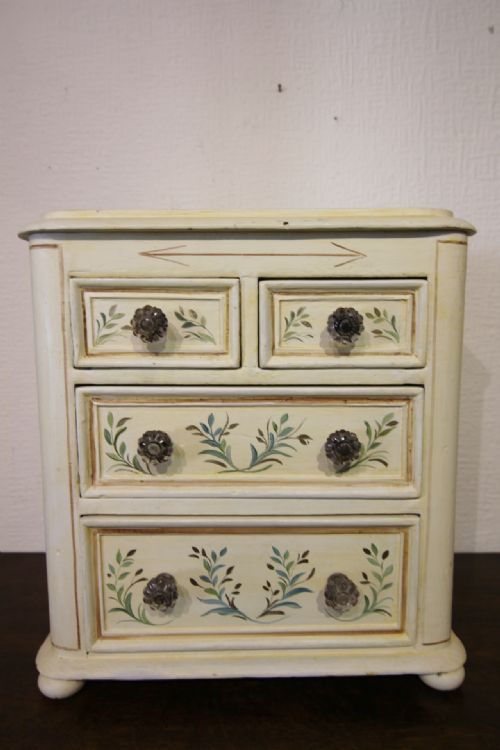
The selection ranges from Victorian apprentice chests and Edwardian specimen cabinets to interwar commercial filing units and country house napkin drawers. Mahogany, oak, pine, and walnut frequently appear across these nineteenth and early twentieth century examples.
Buyers often encounter specialised work chests including watchmaker cabinets and drapers countertop needle drawer units alongside domestic jewellery chests and dressing table mirrors with integrated drawers. Each format reflects its original functional purpose, from commercial trade to delicate personal storage.
Materials and construction methods
Construction relies heavily on traditional timber selection, utilising hardwoods like mahogany, walnut, and satinwood alongside softer woods such as pine, deal, and beech. Cabinetmakers applied skill in dovetail joints for drawer construction and precise framing to house multiple small compartments.
Surface finishes and detailing incorporate brass pulls, bronze animal decoration, glass elements, and inlaid stringing. Painted finishes, stained surfaces, and polished hardwoods demonstrate the varied workshop traditions of British, continental, and global makers.
A Meiji period tabletop cabinet brings unexpected bronze animal decoration into conversation with traditional British countertop storage.
Distinctions in craftsmanship and condition
Quality reveals itself in the precision of the joinery, particularly where drawer linings meet and slide within the carcase. Finer examples display carefully chosen wood veneers, intact brass hardware, and thoughtful proportions that balance utility with decorative appeal.
The integrity of secondary timbers, original glass panels, and the subtlety of inlaid decoration distinguish bespoke collector pieces from utilitarian commercial filing units. Preserved surfaces and functioning original locks further elevate the standing of individual pieces.
Luxmore's of Ilfracombe
The Tabletop Drawer Unit Glossary
- Apprentice piece
- A small-scale item demonstrating advanced craftsmanship, often created by a tradesman to prove skill before gaining guild admission.
- Collector cabinet
- A specialised storage piece fitted with multiple shallow drawers designed to organise botanical, geological, or numismatic specimens.
- Dovetail
- A traditional interlocking woodworking joint utilised in drawer construction to ensure structural strength and longevity.
- Specimen cabinet
- A refined housing unit featuring numerous small drawers intended for the orderly classification of natural history objects.
- Carcase
- The main structural body or frame of a cabinet piece, excluding the doors and drawers.
Tabletop Drawer Unit: Frequently Asked Questions
What were tabletop drawer units originally used for?
These units served diverse practical purposes ranging from commercial trade and watch repair to storing natural history specimens and personal jewellery. Merchants utilised countertop drawer units for needles or threads, while collectors housed delicate items in compartmentalised cabinets.
Domestic spaces also welcomed smaller chests for letters, trinkets, and dressing table accessories. Each format was tailored precisely to the daily demands of its original owner.
How do I date a Victorian tabletop drawer unit?
Dating relies upon examining construction techniques, timber choices, and hardware styles. Mid-nineteenth century pieces often feature hand-cut dovetails and solid mahogany or walnut construction.
Later Victorian and Edwardian examples may incorporate machine-sawn elements, varied secondary woods, and distinct brass handles. Comparing the carcase construction with known period pieces provides the clearest chronological indicator.
Where should I place a tabletop drawer unit at home?
These compact pieces adapt easily to various surfaces including desks, sideboards, and hallway consoles. They provide functional storage for small accessories while adding architectural interest to empty wall spaces.
Avoid positioning them in direct sunlight or near heat sources to protect the historic timber and polished finishes. Their modest scale allows them to function effectively in both traditional studies and modern living areas.
What is the difference between an apprentice chest and a miniature chest?
An apprentice chest represents a masterclass in miniature, created by a woodworker demonstrating proficiency in complex joints and proportions. Miniature chests were often produced commercially as domestic items or salesmen's samples.
While both share a reduced scale, apprentice pieces frequently display higher standards of refined joinery. Collector cabinets further diverge by incorporating specific internal layouts for classification rather than general storage.