
Small Tabletop Cabinet
A small tabletop cabinet brings the presence of large furniture into a domestic room on a reduced scale.
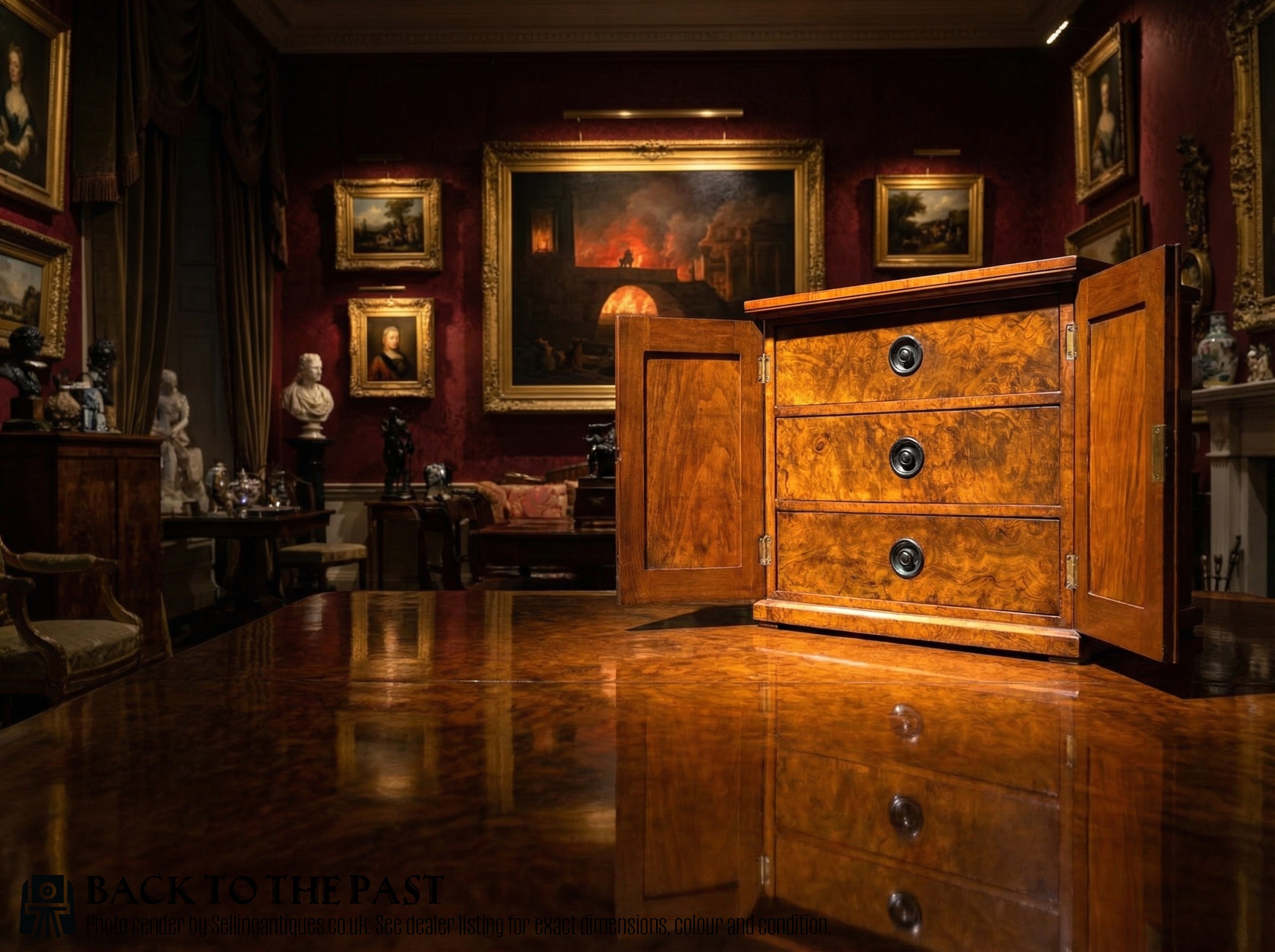
Small Tabletop Cabinet
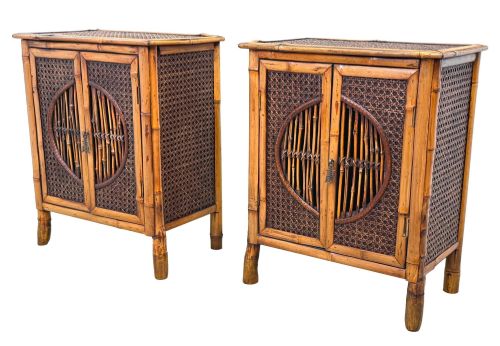
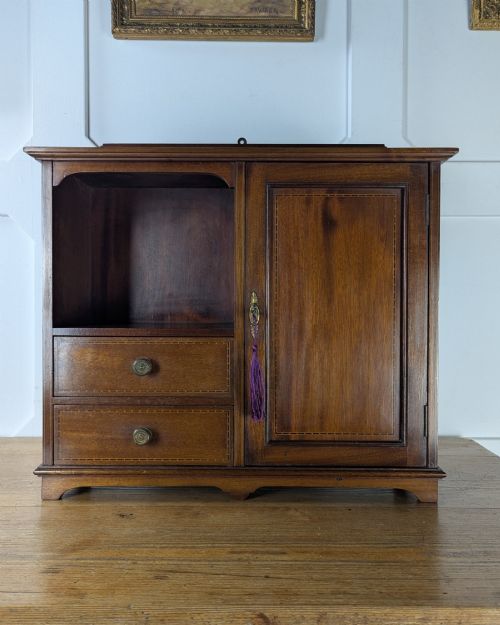
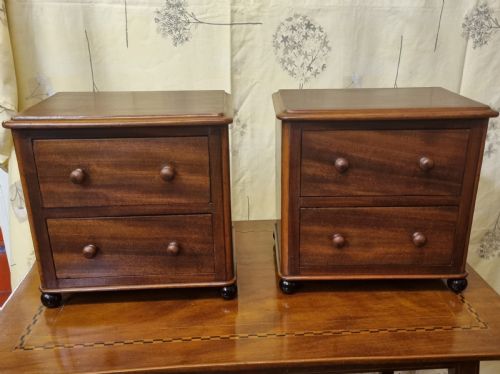
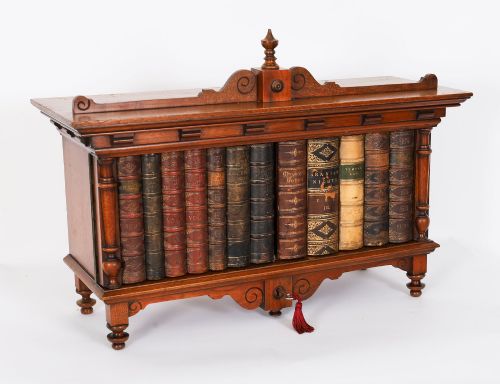
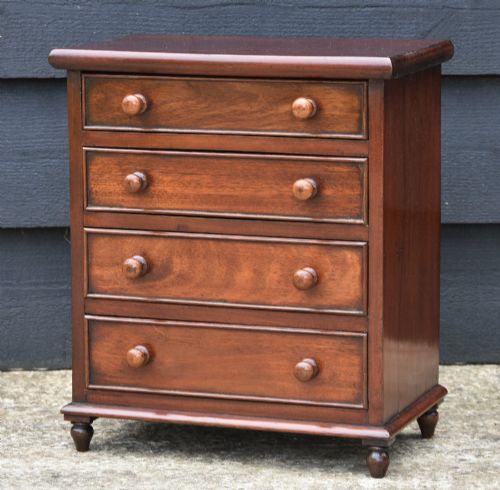
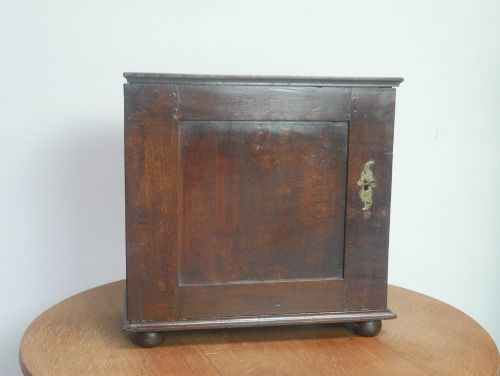
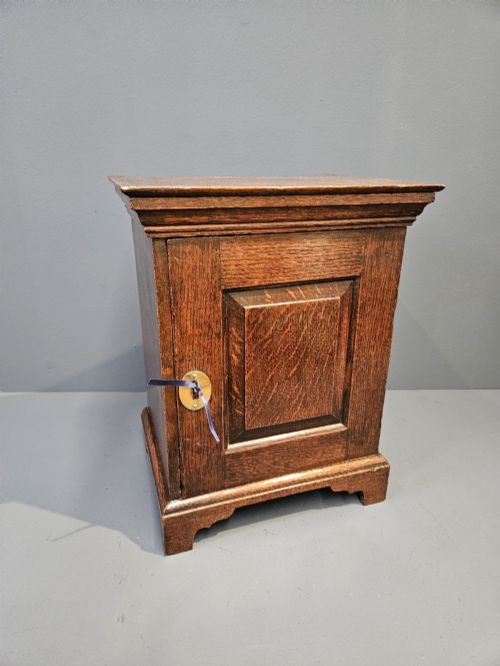
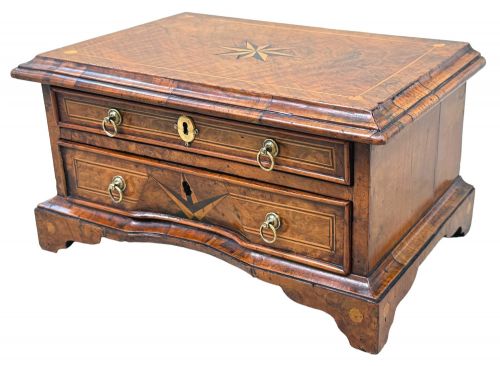
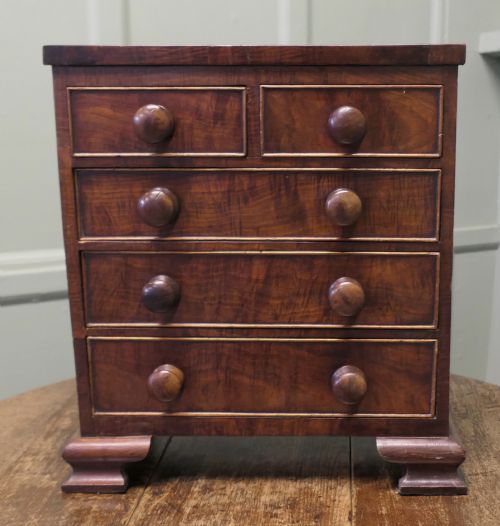
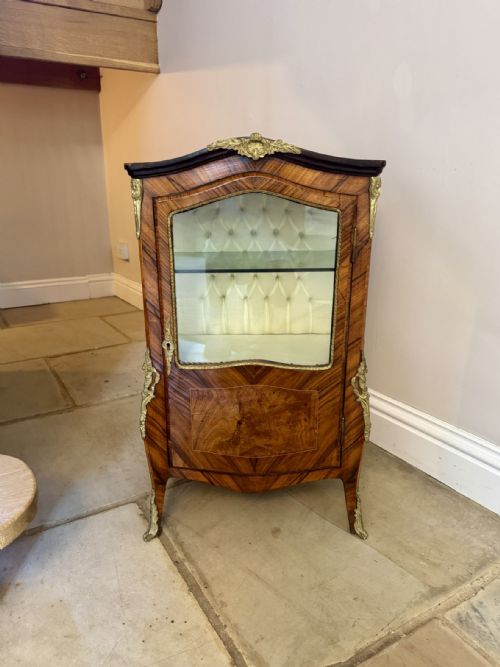
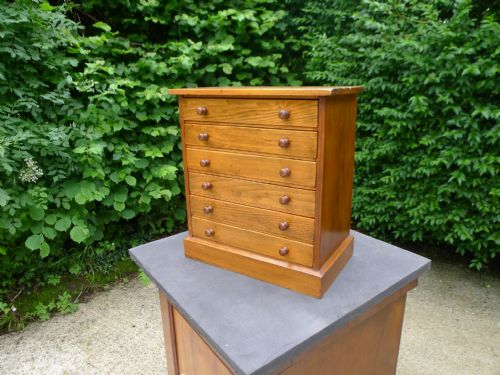
A small tabletop cabinet encompasses miniature furniture, spice cupboards, specimen cases, and countertop display units designed to rest on surfaces rather than stand on the floor. When searching for a small tabletop cabinet, buyers encounter pieces originating from the 18th century, the Georgian and Regency eras, the Victorian period, and into the 19th and early 20th centuries.
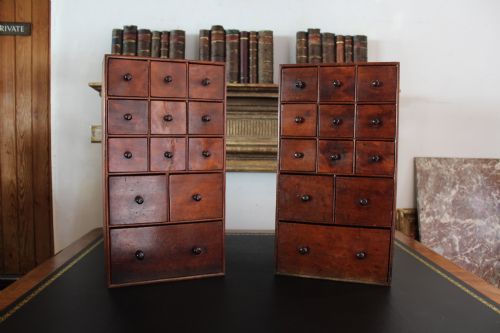
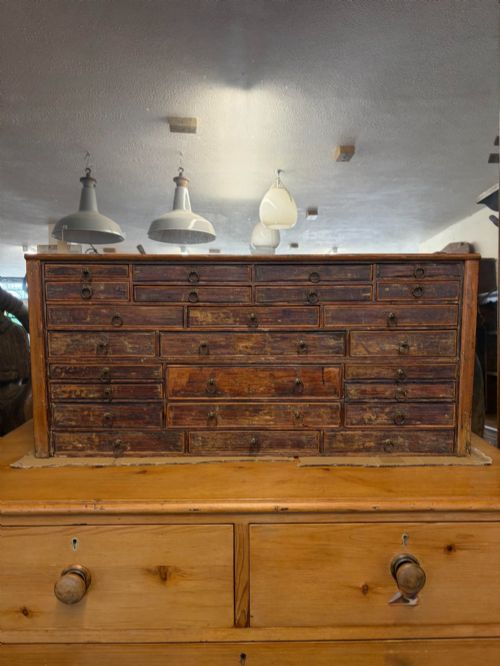
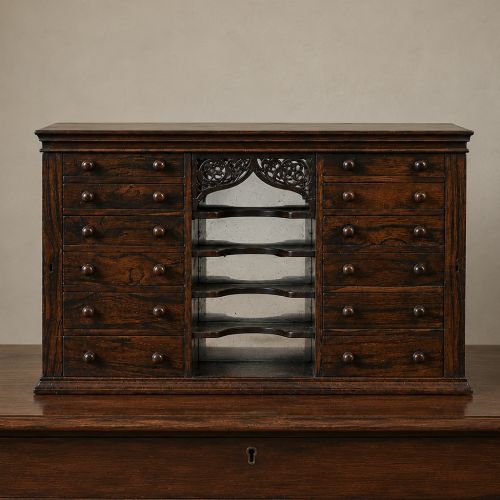
The most common formats met on this page include miniature chests of drawers, tabletop display cabinets, and compartmentalised spice cupboards. These objects served practical storage purposes for apothecaries, doctors, collectors, and households wishing to secure small valuables.
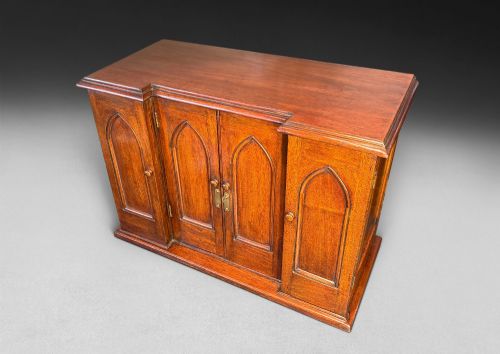
Makers utilised various regional styles, ranging from Gothic Revival oak cabinets to inlaid satinwood and mahogany pieces, reflecting the domestic habits of their respective periods.
Materials and construction methods
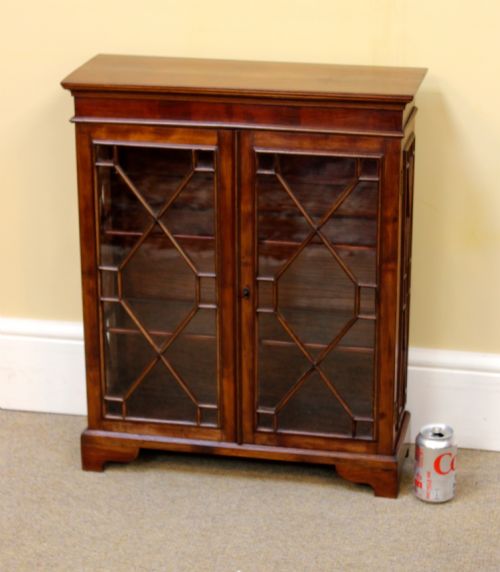
Cabinetmakers constructed these pieces using dense hardwoods such as mahogany, oak, walnut, satinwood, and rosewood, alongside softer woods like pine and fruitwood. Many examples incorporate glass panels for display purposes, paired with brass handles, hinges, and escutcheons.
Joinery techniques relied on traditional carcase construction, dovetailed drawer construction, and panelled doors. Surface decoration frequently involved intricate wood veneers, inlay work, hand-carving in styles such as the Arts and Crafts movement, or simple stained finishes.
Homeopathic chests once held tiny glass vials of remedies for Victorian domestic ailments, keeping tiny corks safe from curious children.
Differentiating quality in small furniture
Quality rests in the precision of the timber selection, such as figured mahogany or matched walnut veneers, and the crispness of any hand-carved ornamentation or inlay. Superior pieces exhibit fine dovetailing in the drawer construction and well-fitted doors that maintain their alignment over centuries.
The sophistication of the internal arrangement also dictates standard, with multi-drawer apothecary chests and velvet-lined collector cases demonstrating greater workshop skill than simpler stained pine storage boxes.
Arthur Simpson of Kendal·Luxmore's of Ilfracombe
The Small Tabletop Cabinet Glossary
- Apprentice piece
- A miniature furniture item created by a trainee artisan to demonstrate mastery of joinery and woodworking skills before admission to a guild.
- Collector's cabinet
- A specialised piece featuring multiple shallow drawers or glazed compartments designed to organise specimens, coins, or natural history objects.
- Spice cupboard
- A small wall-mounted or tabletop wooden cabinet enclosing small internal drawers, historically utilised for expensive culinary spices and medicinal ingredients.
- Wellington chest
- A tall, narrow chest of drawers secured by a hinged locking side stile that fastens over the drawer edges.
- Escutcheon
- A protective brass plate surrounding a keyhole, often decorative in nature on finer period cabinetry.
Small Tabletop Cabinet: Frequently Asked Questions
What were small tabletop cabinets used for?
These cabinets served diverse domestic and professional functions, acting as secure storage for valuable personal items, collections of natural specimens, and medical or apothecary preparations.
Doctors, apothecaries, and households utilised the compartmentalised drawers and glazed display sections to organise and exhibit small objects close at hand.
How do I date an antique tabletop cabinet?
Dating relies on observing the primary woods utilised, the style of hardware, and construction methods such as hand-cut dovetails versus machine-made joints. Period markers include Georgian proportions, Victorian Gothic revival details, and Edwardian or early 20th-century commercial display formats.
Secondary woods inside drawers and the ageing of the timber surface further assist in confirming the era of manufacture.
Are apprentice pieces different from regular miniature furniture?
Apprentice pieces represent scaled-down furniture built specifically to prove an artisan's technical proficiency to a guild master. While they share the miniature scale of other tabletop cabinets, they often display exceptionally fine joinery and attention to detail that exceeds standard commercial items.
Not every small chest is an apprentice piece, as many were produced simply for domestic use or desktop storage.
How do I care for antique wood cabinets?
Maintain these pieces by keeping them away from direct heat sources and fluctuating humidity to prevent timber splitting or veneer lifting. Gentle dusting with a dry cloth suffices for routine maintenance, avoiding modern silicon polishes that can degrade historic finishes.