
Early Victorian Cabinet
When you search for an early victorian cabinet, you enter a world of dense timbers and functional domestic furniture built to last.
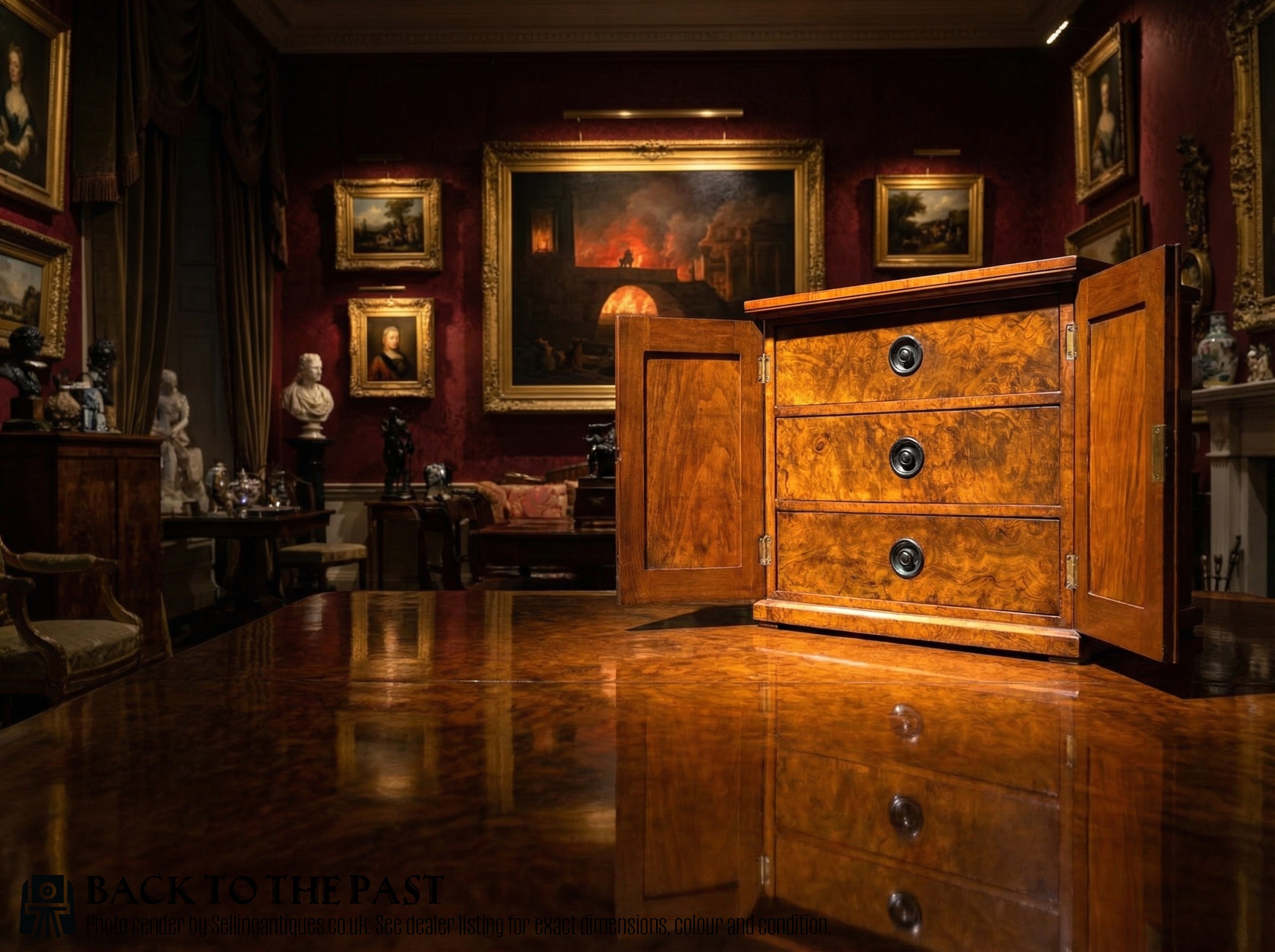
Early Victorian Cabinet
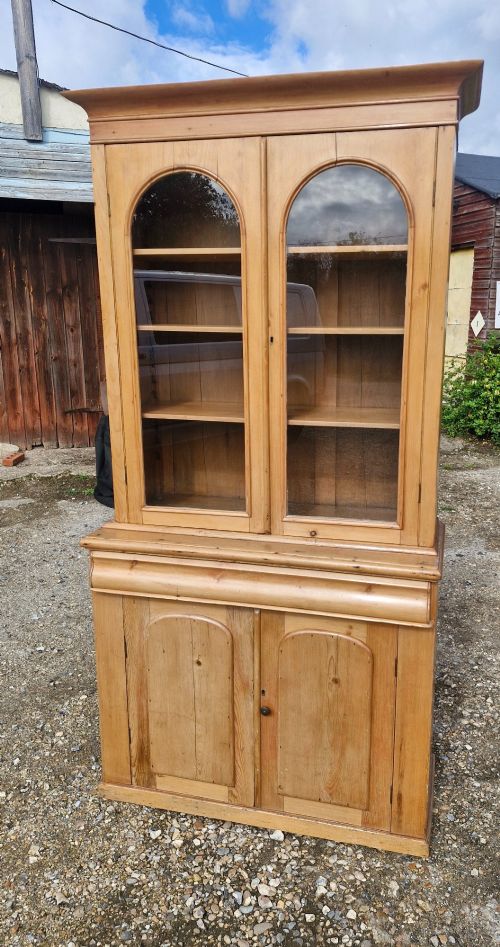
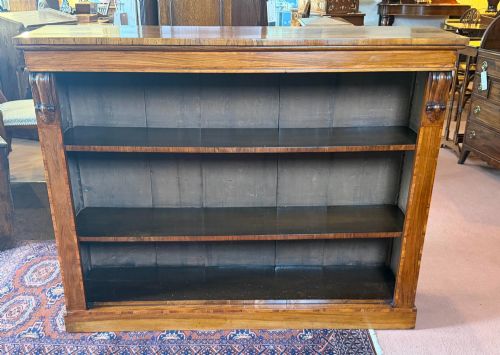
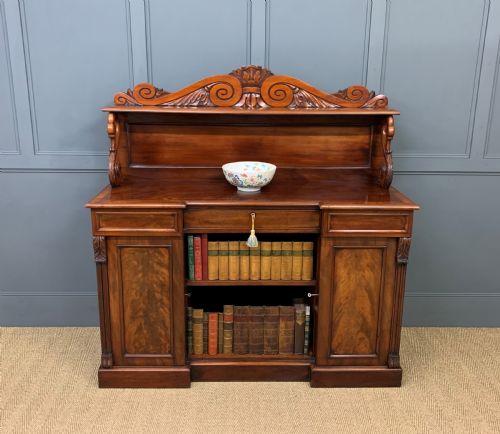
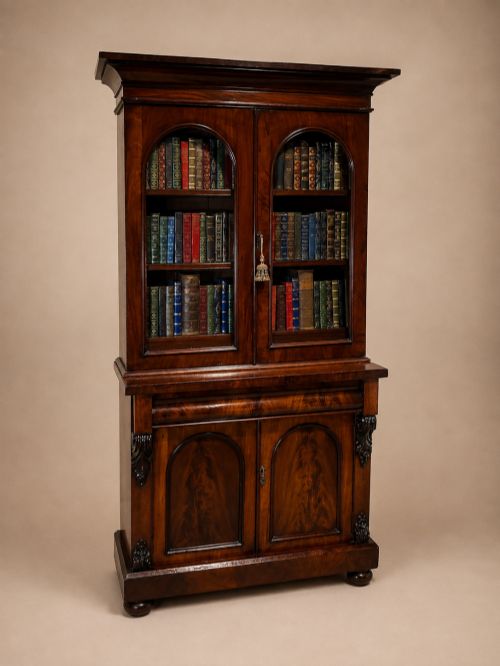
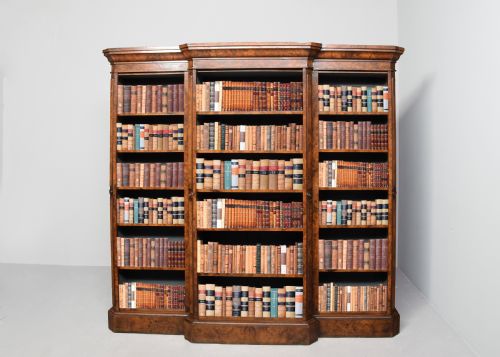
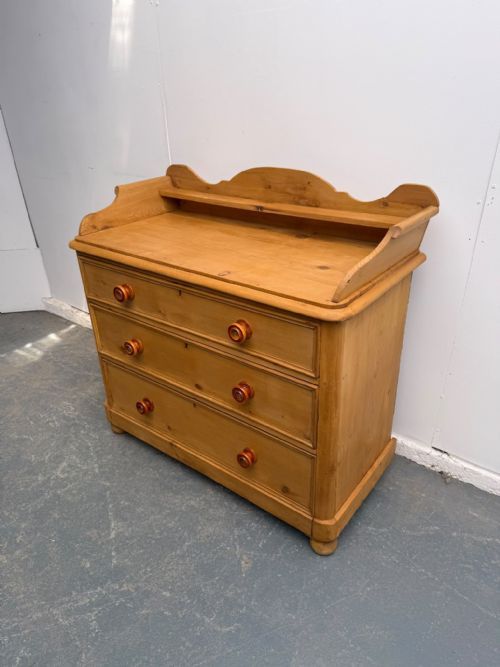
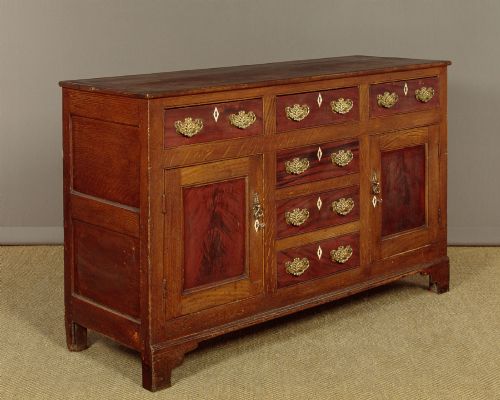
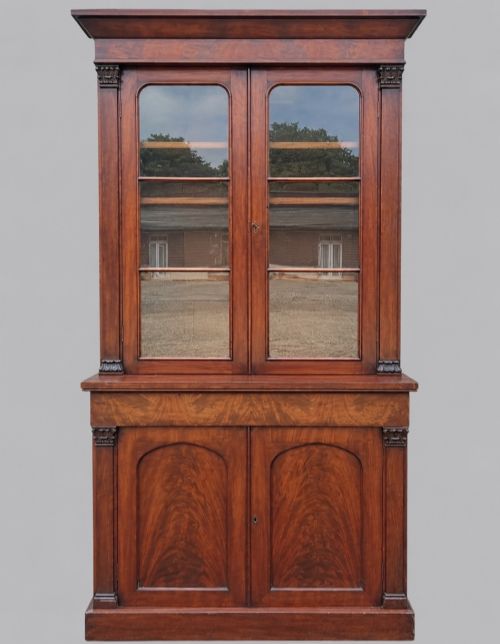
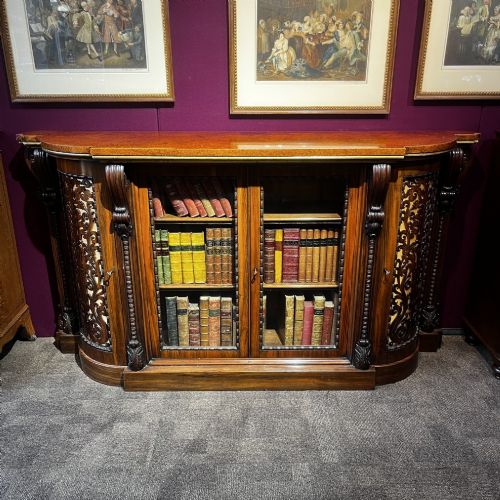
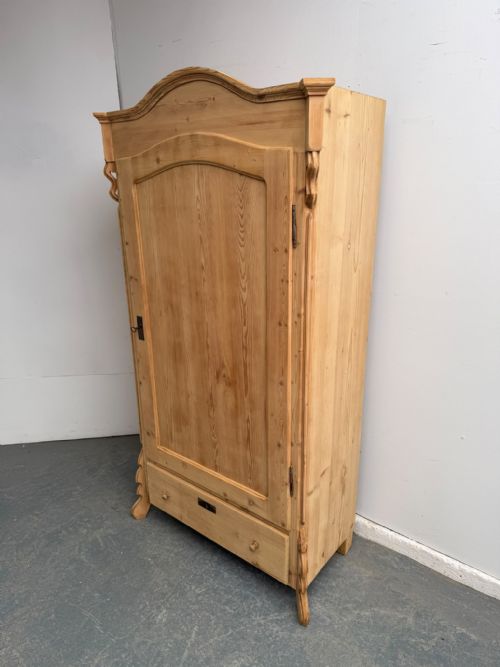
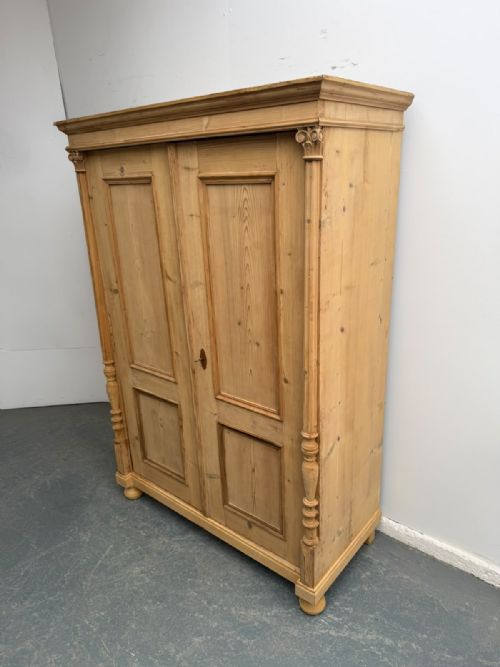
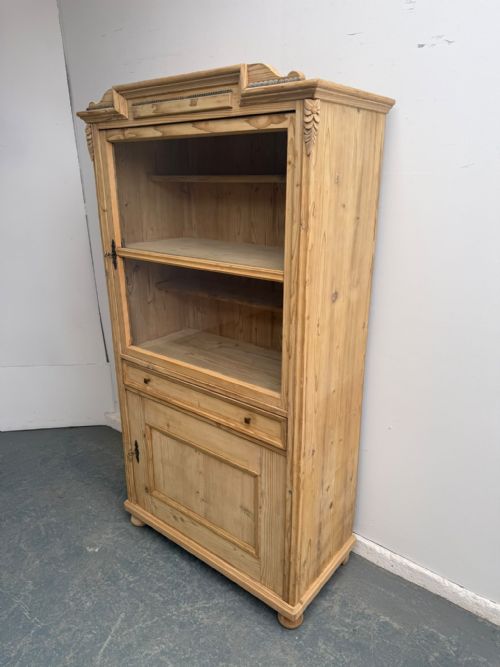
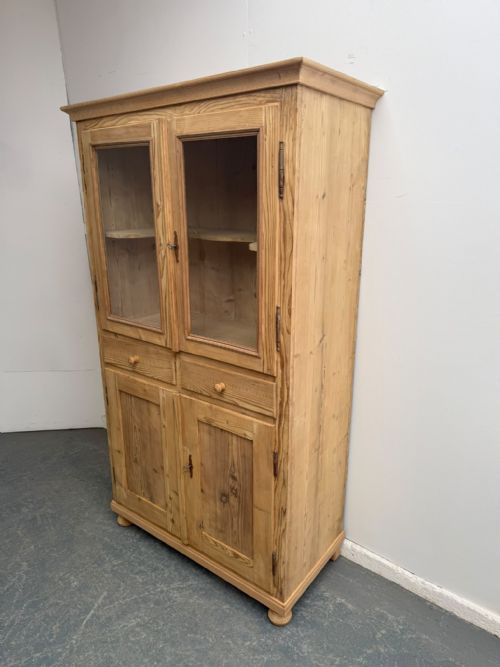
An early victorian cabinet encompasses a broad variety of storage furniture, from large breakfront bookcases and library cabinets down to compact bedside cupboards and diminutive collectors' pieces. You will frequently encounter mahogany and pine forms on this page, reflecting both formal drawing-room tastes and practical country house utility.
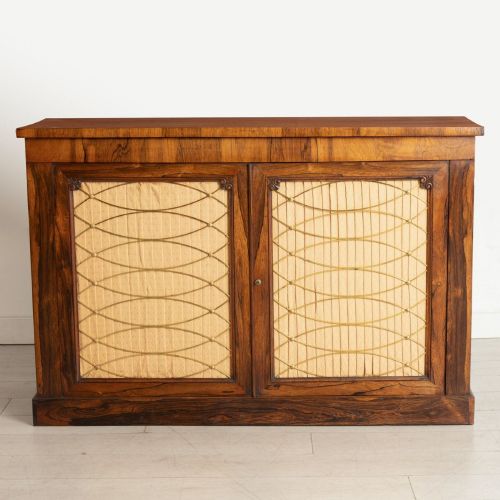
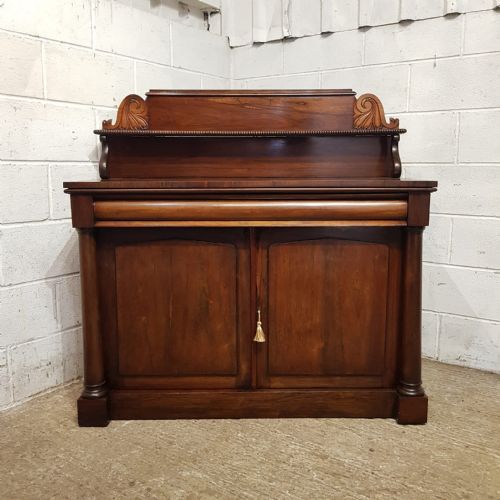
The typology stretches across chiffoniers, side cabinets, and specialised storage units like specimen cabinets and Wellington chests. These items served specific domestic administrative and display roles in nineteenth-century interiors.
Makers and workshops of the period utilised prevailing styles that bridged late Regency austerity and robust Victorian proportions. Pieces range from simple utilitarian pine cupboards intended for painting to finely figured rosewood and burr walnut display furniture.
How they were made
Cabinet makers relied heavily on solid hardwoods like mahogany, oak, and walnut, often applying richly figured veneers such as flame mahogany or burr walnut to primary display surfaces. Secondary timbers like pine frequently appear in the carcase construction and drawer linings of utility cupboards and bookcases.
Construction techniques combine traditional hand-cut dovetails for drawer boxes with solid panel doors and turned or carved structural supports. Brass hardware, glass panes, and occasionally specialised locking mechanisms complete the build of these functional items.
Listings feature woods including brass, mahogany, glass, pine, rosewood, walnut, iron, and oak across multiple cabinet forms.
What varies in quality
The selection of timber grain largely determines the visual hierarchy, with symmetrical flame mahogany or highly figured burr walnut commanding greater presence than plain deal or standard oak. Superior examples demonstrate careful book-matching of veneers and refined secondary details like fine mouldings and well-fitted interiors.
Gillows·Holland & Sons·Doe & Rogers·Hutchings of Aberystwyth·Burrey & White
The Early Victorian Cabinet Glossary
- Breakfront
- A piece of furniture having a central section that projects forward from the flanking sections. This configuration is frequently seen on large bookcases and sideboards.
- Chiffonier
- A low sideboard or cabinet, typically featuring a shelf or enclosed cupboard space beneath, popular during the mid-nineteenth century for living rooms and parlours.
- Wellington chest
- A tall, slender chest of drawers secured by a locking side stile that fastens over the drawer edges. It provides secure storage for papers or small valuables.
- Specimen cabinet
- A specialised small-scale cabinet fitted with numerous shallow drawers designed for organising natural history collections or botanical samples.
- Flame mahogany
- A veneer cut from the fork of a mahogany tree where the branches join the trunk, producing a distinctive leaping flame-like grain pattern.
Early Victorian Cabinet: Frequently Asked Questions
What is an early victorian cabinet?
An early victorian cabinet is a piece of storage furniture produced during the opening decades of Queen Victoria's reign and the preceding late Regency period. These range from grand library bookcases to bedside cupboards.
They utilise dense timbers like mahogany, rosewood, and walnut, reflecting the domestic requirements of nineteenth-century households before mass production took over.
How do I use a chiffonier?
A chiffonier functions as a low side cabinet, traditionally placed in a dining room or parlour for serving food or storing tableware and linens. The enclosed lower cupboards keep items out of sight.
The top surface provides a convenient stage for decorative objects, lamps, or small display pieces in modern interiors.
Where were bedside cabinets placed?
Bedside cabinets and nightstands sat beside sleeping quarters to hold chamber lighting, nightcaps, and personal items within arm's reach. They often feature a single door or small drawer above a cupboard.
Pairs of these cabinets frequently match the primary wood of larger bedroom wardrobe and chest combinations.
How do I distinguish walnut from mahogany?
Mahogany typically displays a warm reddish-brown hue with straight or ribbon-like grain patterns that can feature dramatic flame figures when veneer is selected. Walnut tends toward a richer brown tone with more varied, swirling grain characteristics and darker figuring.
Both timbers were prized by cabinet makers but yield distinct visual textures across Victorian furniture forms.