


Antique Plinth Base Cabinet
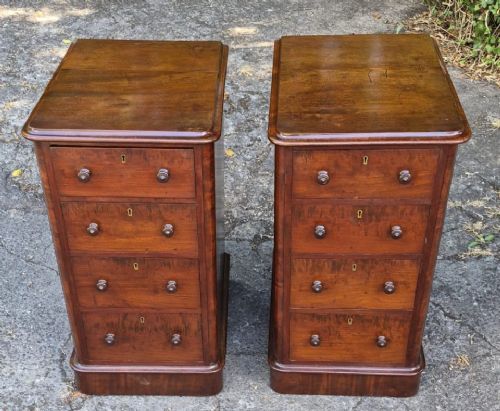
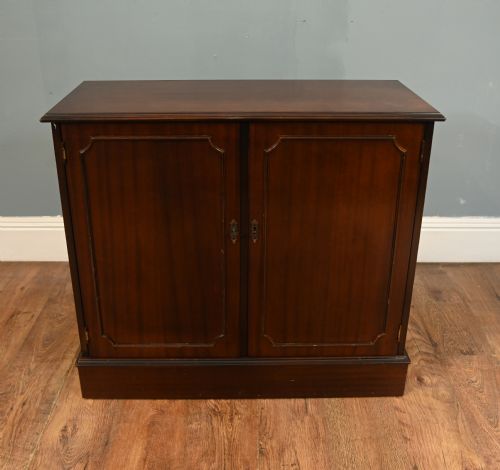
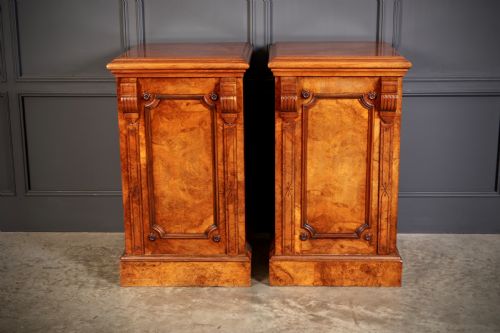
An antique plinth base cabinet provides sturdy storage and display space, most commonly found here as a Victorian mahogany bedside piece or side cabinet.
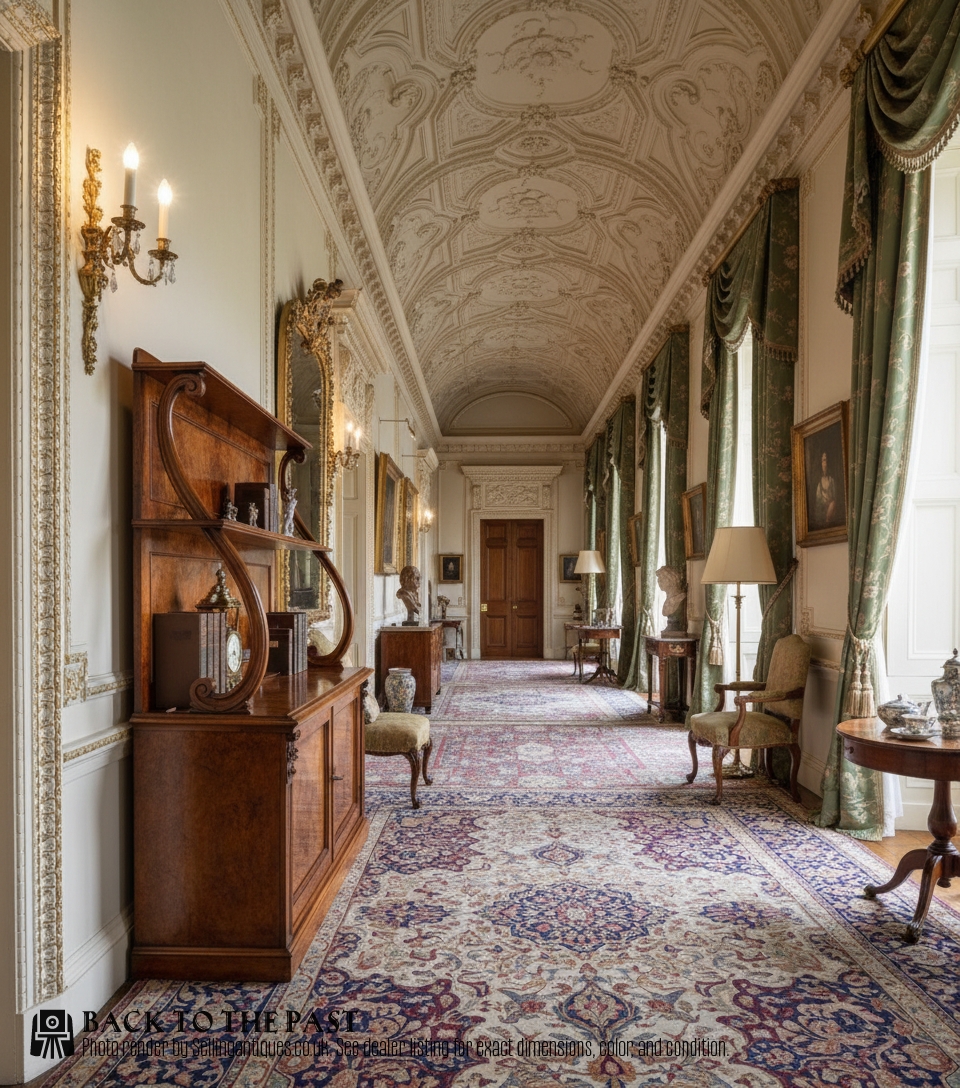
Antique Plinth Base Cabinet
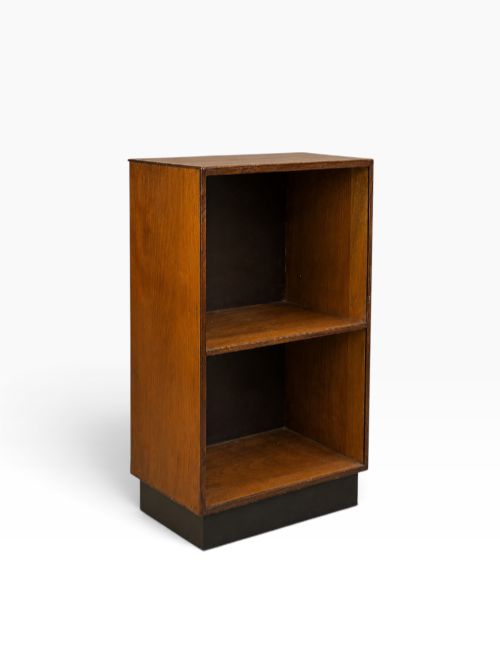
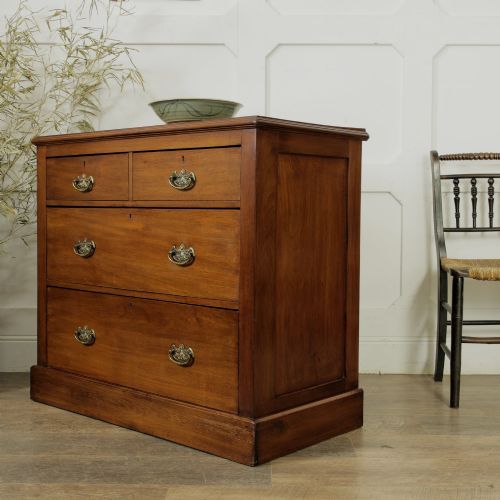
An antique plinth base cabinet is a solid furniture form resting directly on a flat wooden foundation rather than on legs or feet. Buyers searching for an antique plinth base cabinet encounter numerous 19th Century and Victorian examples alongside Regency and Georgian pieces.
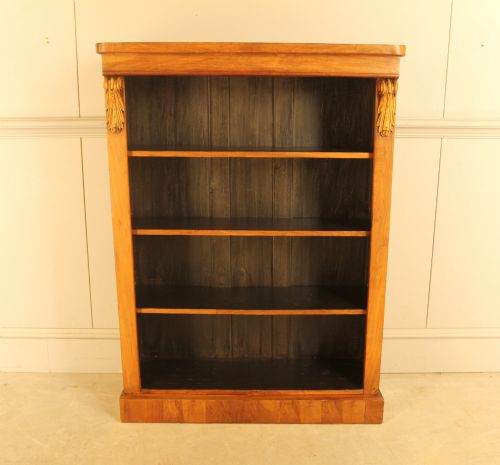
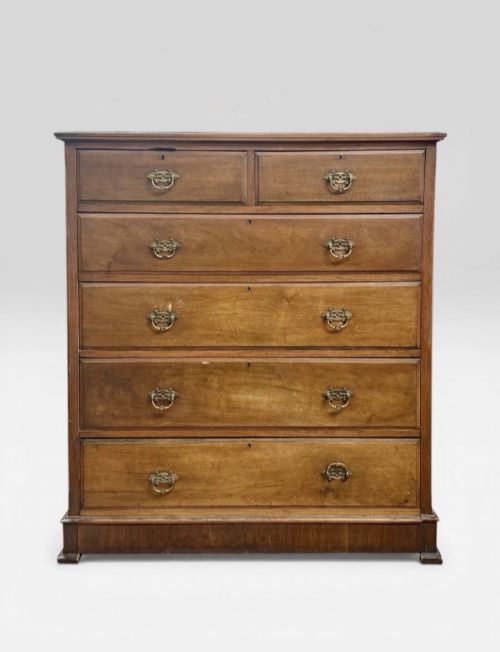
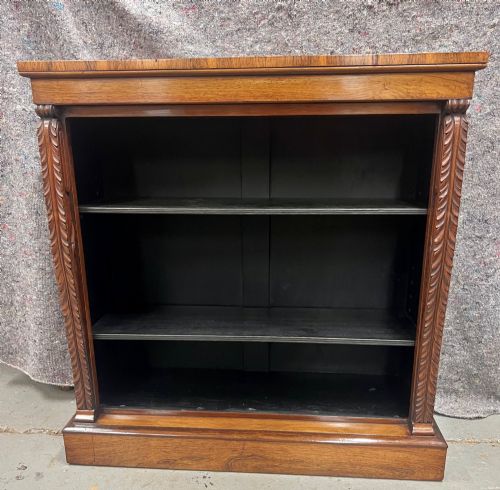
The selections span functional household storage forms including bedside cabinets, side cabinets, chests of drawers, bookcases, and sideboards. Mahogany and walnut dominate the inventory, accompanied by rosewood, pine, chestnut, and satin birch.
Most pieces show straightforward rectangular proportions designed to fit neatly against household walls while offering enclosed shelving or drawer storage.
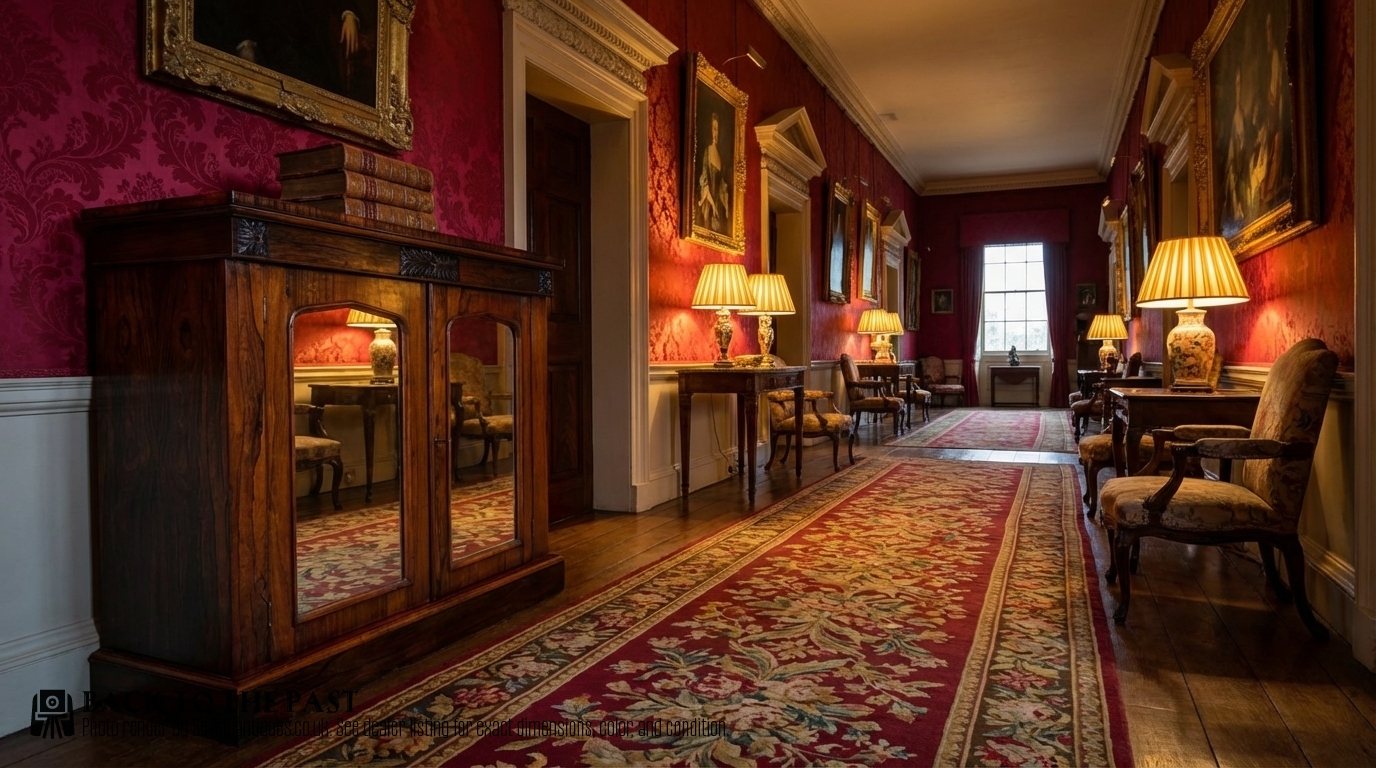
How they were made
Cabinetmakers constructed these pieces using solid timbers like mahogany, walnut, and pine, frequently applying decorative veneers such as flame mahogany or burr walnut to primary surfaces. Fine linear stringing or brass details occasionally accent the casework.
The heavy plinth foundations required robust joinery to support the weight of the timber bodies above. Drawer interiors often relied on secondary woods like cedar, maintaining stability across changing household temperatures.
Listings feature mahogany, walnut, rosewood, pine, chestnut, and satin birch across Victorian, Georgian, and Regency periods.
What varies in quality
Quality reveals itself in the selection of timber veneers and the crispness of the surrounding joinery. Highly figured walnut or flame mahogany indicates a superior grade of furniture selected for wealthier domestic interiors.
The refinement of internal carcase construction and the proportion of the flat plinth base relative to the upper cabinet distinguish standard production items from finer workshop pieces.
Mawer & Stephenson·Holland & Sons
The Antique Plinth Base Cabinet Glossary
- Plinth base
- A heavy, flat architectural foundation upon which a cabinet rests directly without supporting feet. This design element grounds heavy Victorian and Georgian case furniture firmly.
- Flame mahogany veneer
- A distinctive wood grain pattern sliced from timber forks, creating flickering flame-like figures. Cabinetmakers applied this expensive veneer to prominent door and drawer fronts.
- Burr walnut
- A knotted growth timber showing swirling, highly decorative grain patterns. It was prized by 19th Century makers for luxury cabinet doors.
- Breakfront
- A cabinet facade where the central section projects forward from the flanking wings. This architectural arrangement adds depth and visual rhythm to large sideboards and bookcases.
- Open bookcase
- A shelving unit enclosed at the sides and back but left open at the front. These pieces provide accessible display space for libraries.
Antique Plinth Base Cabinet: Frequently Asked Questions
What is a plinth base cabinet?
A plinth base cabinet is a piece of furniture that rests on a solid, flat wooden platform instead of elevated legs. This design gives the furniture a grounded, stable appearance.
These cabinets appear across various 19th Century styles, serving as bedside storage, bookcases, or sideboards.
Where were these cabinets used?
These cabinets served multiple domestic functions in Victorian and Georgian homes, from holding books in libraries to storing linens and bedside items in bedrooms.
Their sturdy plinth construction made them suitable for heavy daily use in busy household rooms.
How do I identify a Victorian piece?
Victorian cabinets typically feature dense timbers like mahogany and walnut, sometimes enhanced with figured veneers or simple brass hardware. The construction reflects industrial-era woodworking techniques combined with traditional cabinetmaking.
Examining the secondary woods inside drawers helps confirm the nineteenth-century origins of the piece.
How do I care for mahogany cabinets?
Mahogany furniture requires stable indoor humidity levels and protection from direct sunlight to prevent timber drying and veneer cracking. Regular dusting with a soft cloth preserves the polished surface.
Avoid placing these cabinets near heat sources to protect the historic wood and joints.