
Antique Mirrored Cabinet
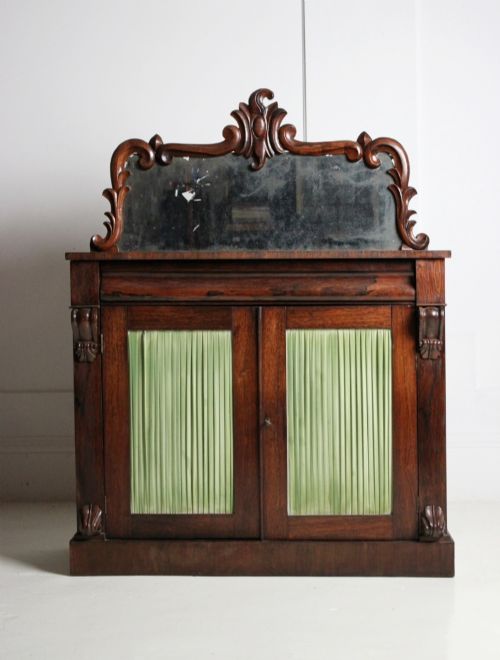
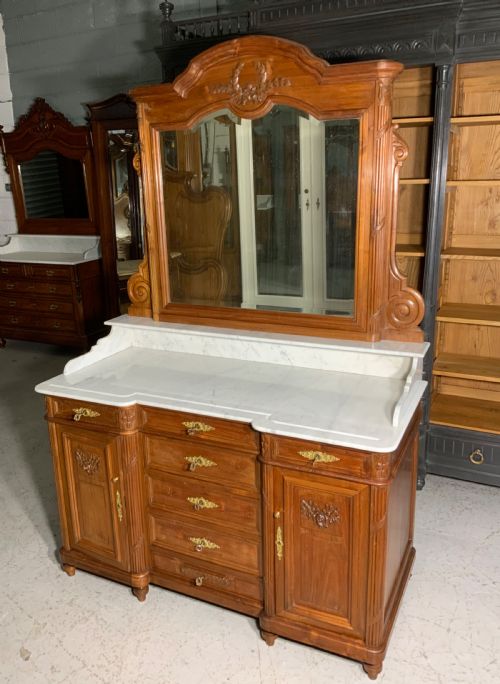
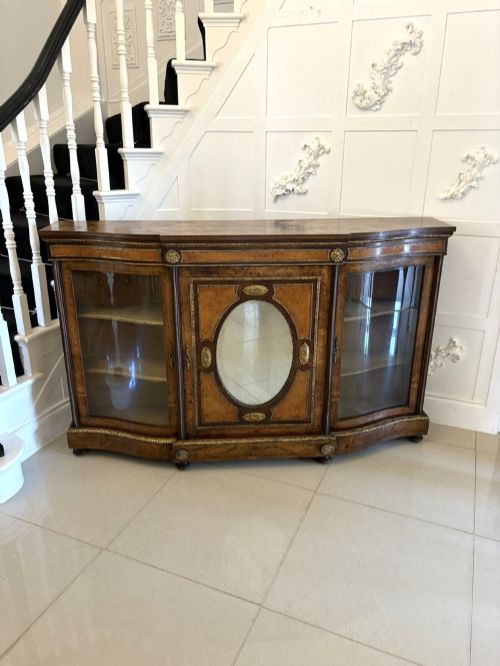
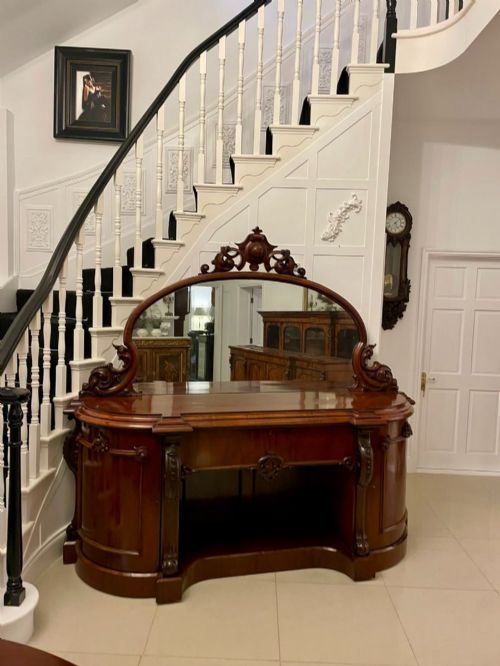
An antique mirrored cabinet brings depth and reflected light into a room, spanning periods from the eighteenth century to the twentieth.
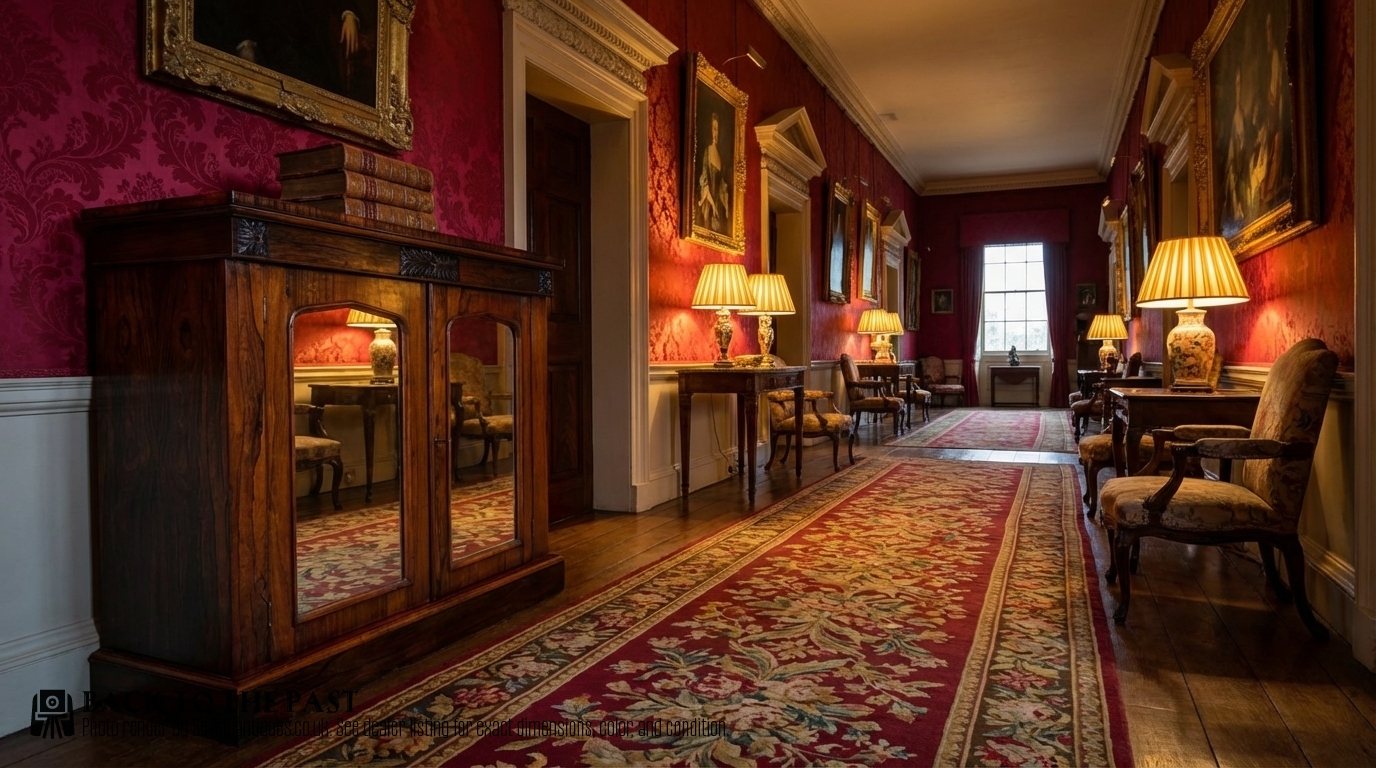
Antique Mirrored Cabinet
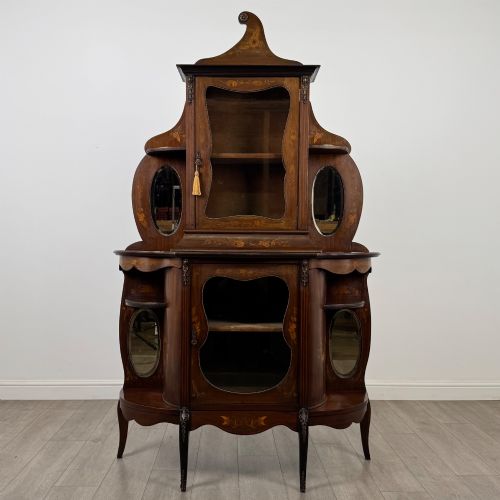
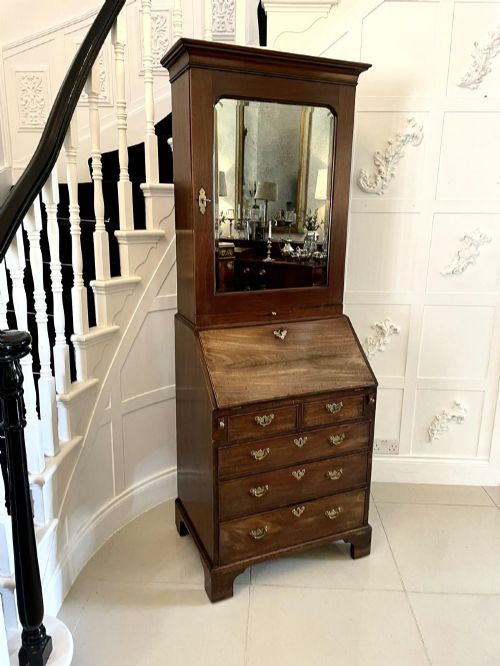
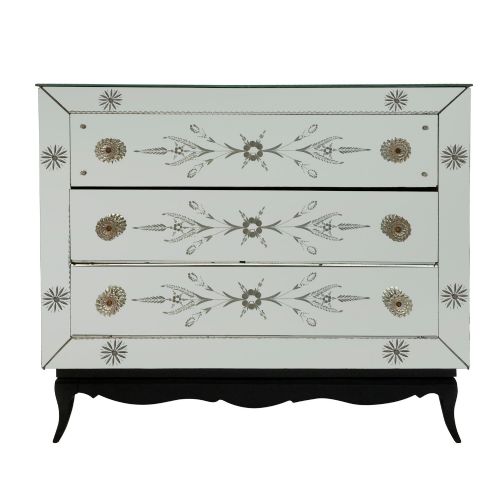
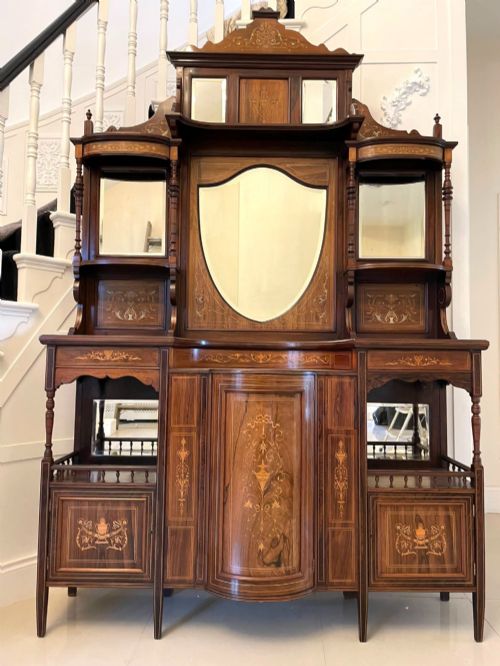
An antique mirrored cabinet combines storage with reflective glass panels, taking forms such as credenzas, sideboards, and wall-hanging units. These pieces serve practical functions while brightening interiors through their reflective surfaces.
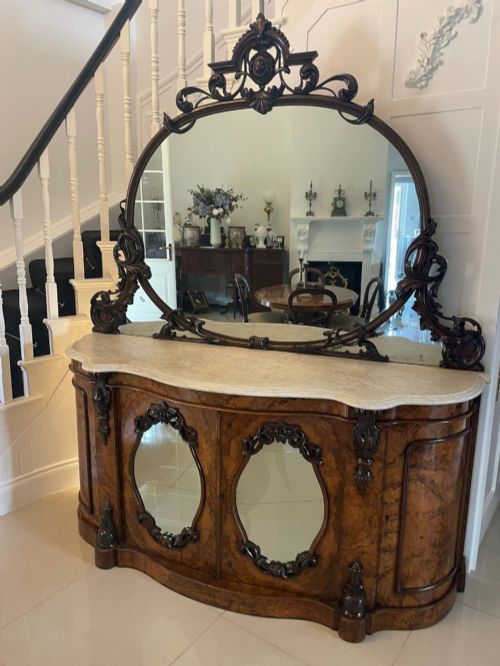
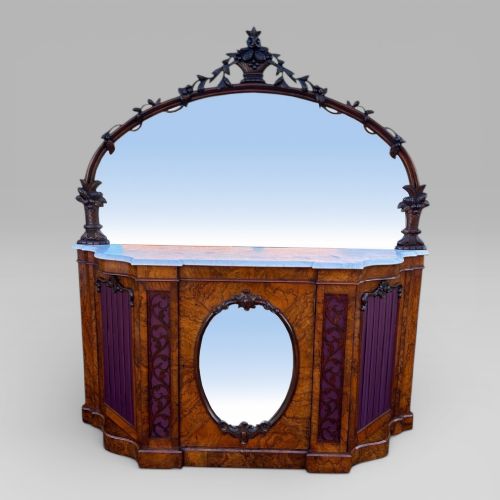
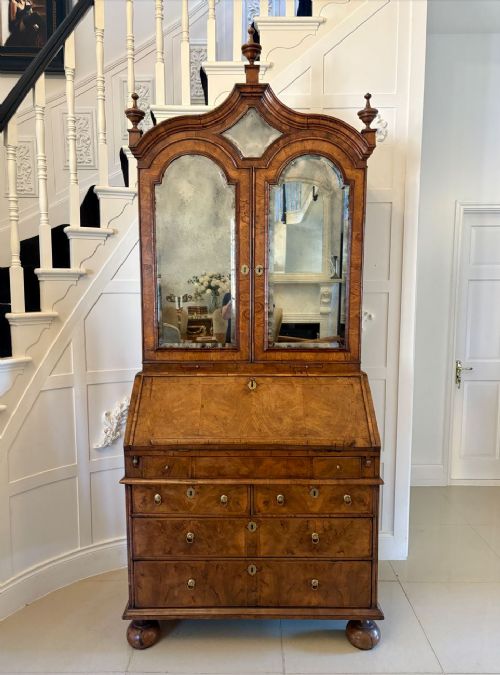
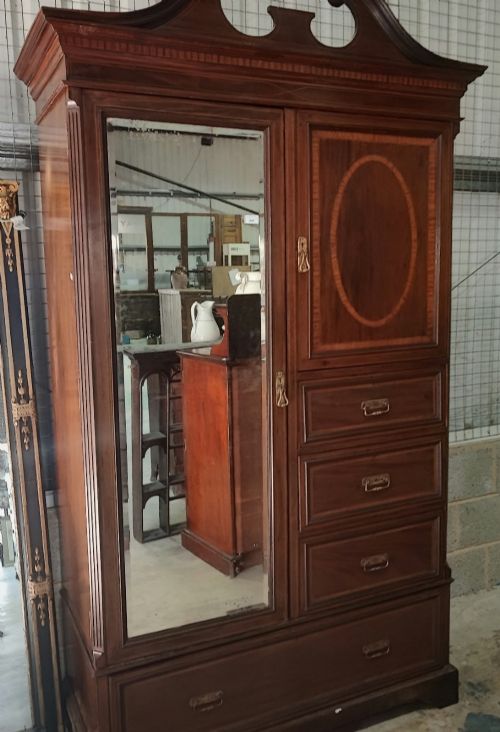
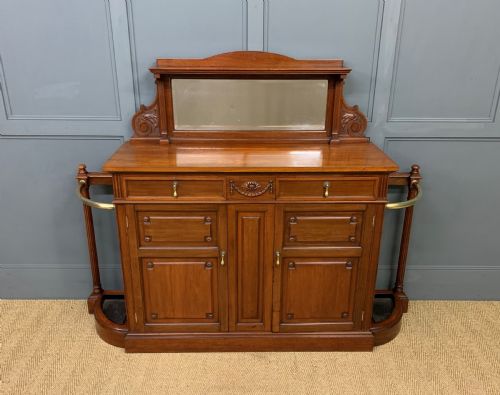
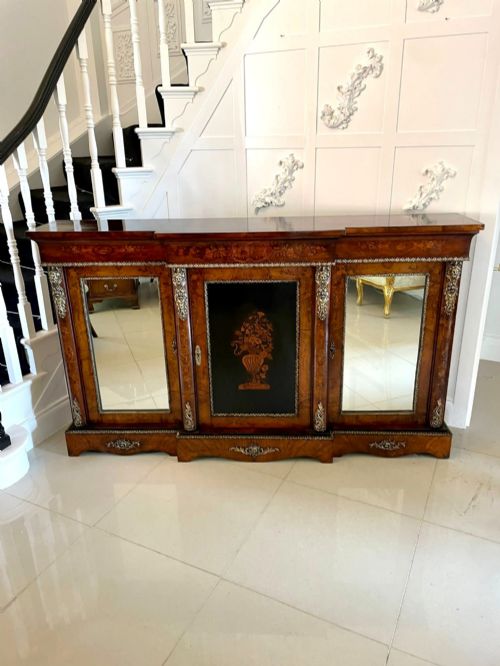
The selection ranges from Victorian burr walnut credenzas with mirrored doors to Edwardian mahogany display cabinets and later twentieth-century cocktail bars. Victorian mirror-backed sideboards and twentieth-century French armoires appear frequently among current listings.
Origins span English, French, and wider European workshops, crossing styles from Queen Anne and Regency to Arts and Crafts, Art Nouveau, and Louis revival periods.
How they were made
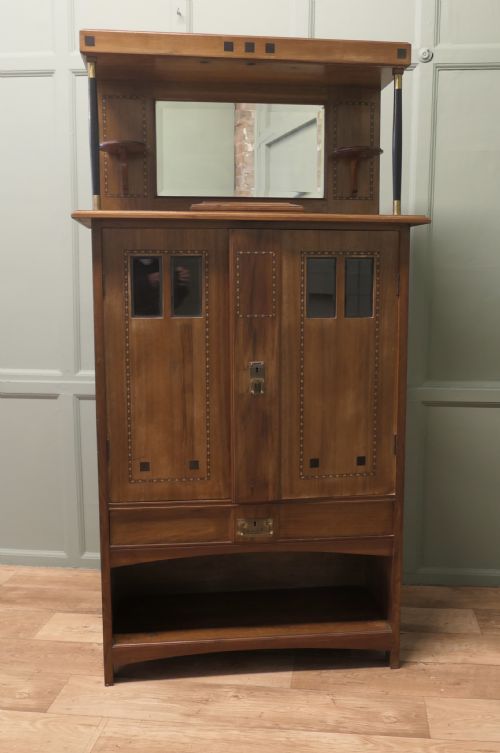
Cabinet makers utilised dense hardwoods like mahogany, walnut, rosewood, and oak, often applying burr walnut or bird’s-eye maple veneers to prominent exterior surfaces. Marquetry, inlay, and carved detailing frequently ornamented the primary timber framework.
Glass panels and mercury or silvered mirror plates were integrated into doors, cabinet backs, and hanging spaces. Brass, ormolu mounts, and gilt metal details frequently secured and decorated the opening edges and proportions.
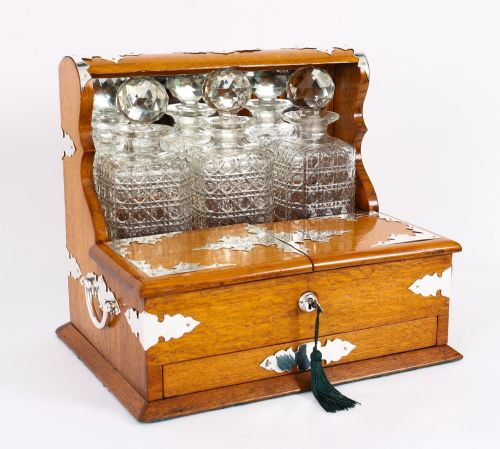
Some nineteenth-century cabinets hide games compendiums and cocktail decanters behind their polished wooden facades.
What varies in quality
Quality rests in the selection of timber veneers and the crispness of hand-carved ornamentation across the facade. Book-matched burr walnut and fine marquetry inlay separate standard production from superior cabinet work.
The integration of the mirror glass and metal hardware dictates the structural refinement of the piece. Well-executed ormolu mounts and original bevelled mirror plates indicate higher workshop standards.
Edwards and Roberts·Shoolbred & Co.·Collinson & Lock·Gillows·Waring & Gillows
The Antique Mirrored Cabinet Glossary
- Credenza
- A low dining-room cabinet or sideboard, often fitted with mirrored doors and decorative mounts. These pieces were designed to display silver and porcelain.
- Bureau bookcase
- A writing desk with a sloping flap, surmounted by a glazed or mirrored cabinet section for books. This form dates back to earlier centuries.
- Ormolu
- Gilded bronze mounts applied to furniture for decoration. It provides contrast against dark timbers like mahogany and walnut.
- Marquetry
- Decorative patterns formed by inserting pieces of contrasting wood veneer into a background panel. It appears on cabinet doors and tabletops.
- Vitrine
- A glass-fronted cabinet designed for displaying fine objects and porcelain. Many examples incorporate mirrored backs to reflect light through the contents.
- Compactum
- A large fitted wardrobe combining hanging space with drawers and shelves. This form became popular during the nineteenth century.
Antique Mirrored Cabinet: Frequently Asked Questions
Where should I place a mirrored cabinet?
Position the cabinet opposite a window or light source to maximise the reflection and brighten darker corners of a room.
Ensure the floor is level so the doors hang straight and the internal mirrored panels remain under no structural stress.
How do I clean an antique mirror?
Use a soft, dry cloth to dust the glass surface gently, avoiding harsh chemical cleaners that can damage the silvering behind the plate.
Keep moisture away from the edges of the mirror where the backing can degrade over time.
Are these cabinets suitable for small rooms?
Wall-hanging mirrored cabinets and compact side cabinets offer storage without taking up significant floor space.
The reflective glass visually expands smaller interiors by bouncing light around the room.
How do I date a mirrored cabinet?
Examine the timber species, construction methods, and hardware style to determine the likely period of manufacture.
Design motifs such as marquetry inlay, carved mirror backs, or revival styles often point to specific decades between the eighteenth and twentieth centuries.