


Traditional Wood Drawers
Traditional wood drawers bring enduring utility and timber warmth to domestic interiors, offering practical storage through time-tested forms.
Traditional Wood Drawers
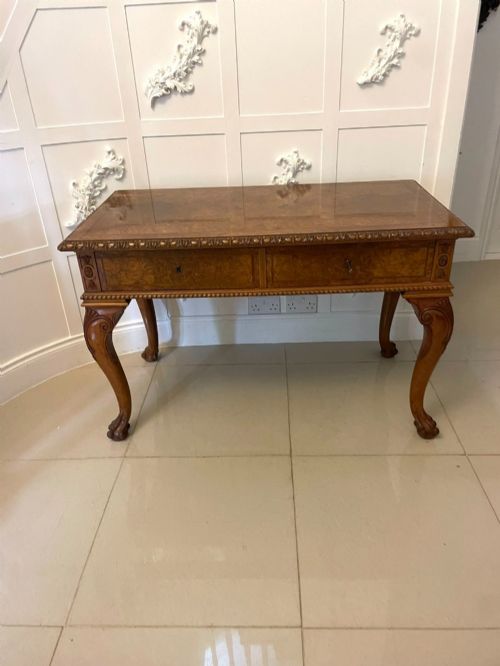
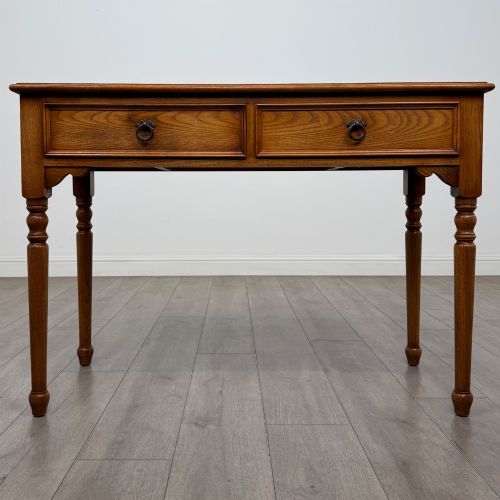
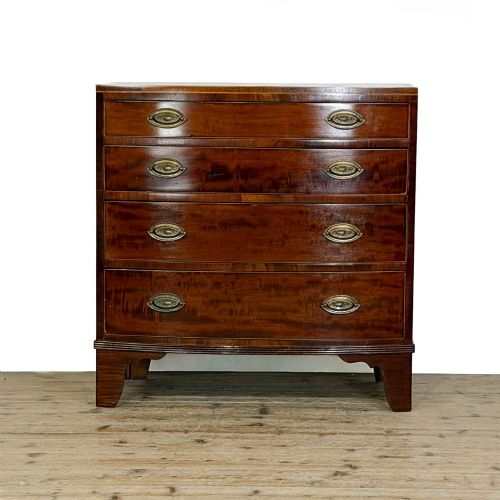
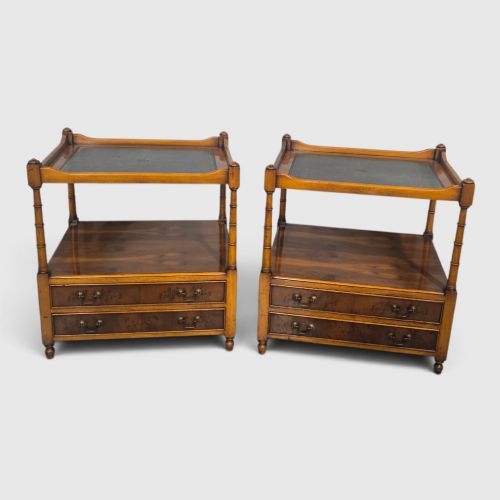
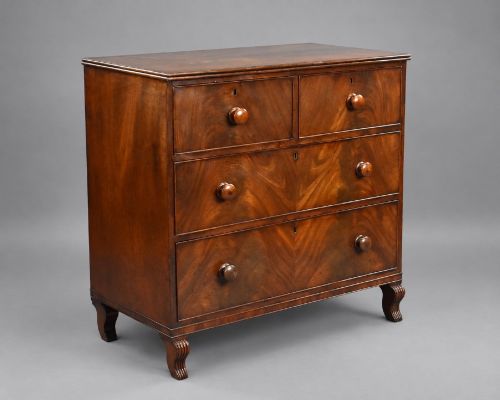
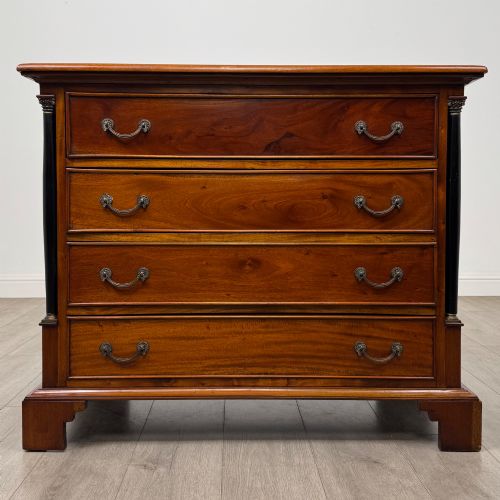
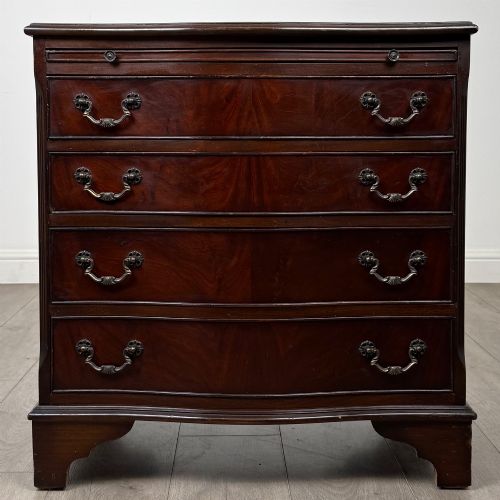
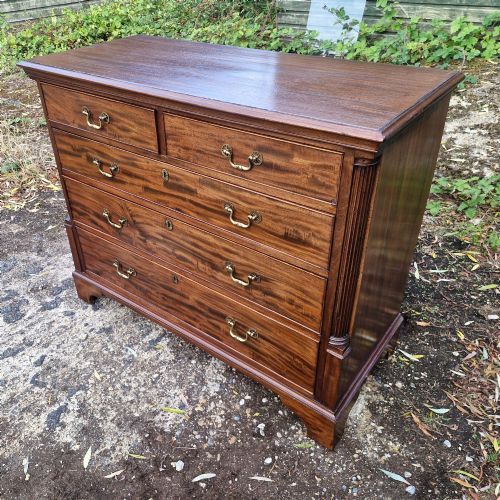
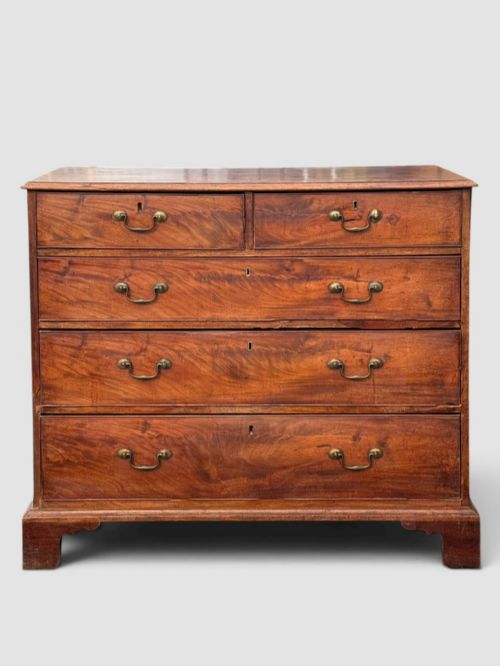
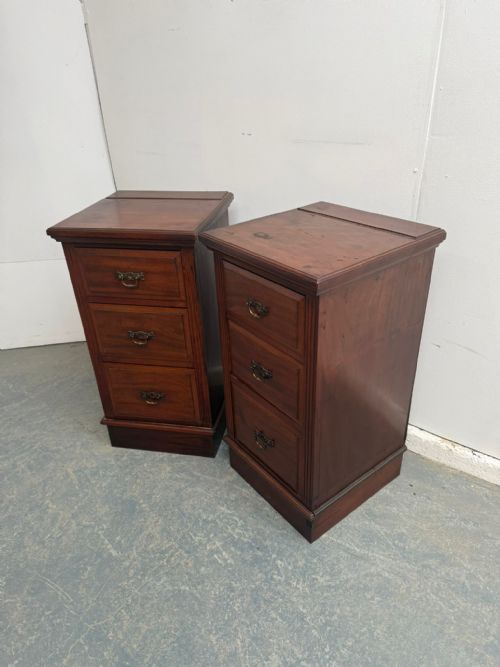
Traditional wood drawers primarily comprise chests of drawers, bedside chests, and bureaux spanning the Georgian, Victorian, and Edwardian periods. These pieces serve as functional storage solutions, ranging from compact bedside units to tall multi-drawer bedroom chests.
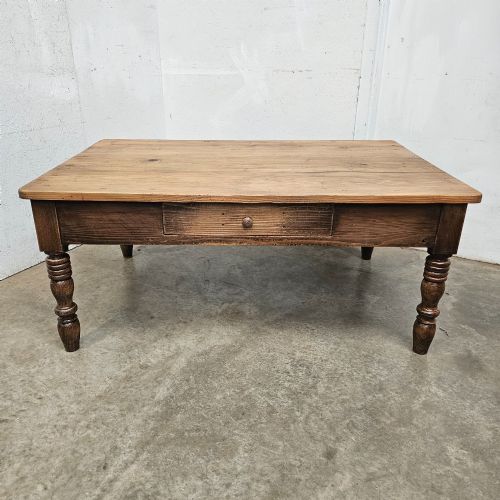
Mahogany and pine dominate the inventory, accompanied by walnut, oak, and yew wood variations. Buyers frequently encounter regional pine country pieces alongside formal mahogany designs finished with brass handles.
Cabinet makers produced these items across centuries, reflecting evolving domestic needs from writing desks to spacious clothes storage. The selection includes Revival styles such as Jacobean, Queen Anne, and Georgian interpretations.
Evaluating Construction and Timber
Quality separates pieces through the selection of primary timbers and secondary woods used for drawer linings and carcases. Solid mahogany and finely figured walnut represent higher production standards compared to utilitarian painted pine.
Joinery execution distinguishes superior examples, notably the tightness of dovetail joints on drawer construction and the smooth operation of drawer runners. Original brass hardware and untouched timber patina elevate the standing of antique items.
Listings feature items spanning the 18th Century through to the 1920s, constructed primarily in mahogany, oak, pine, and walnut.
Warings Liverpool·Gillows
The Traditional Wood Drawers Glossary
- Dovetail
- A joint used in drawer construction formed by interlocking wedge-shaped fingers. This traditional method provides high tensile strength to withstand constant pulling.
- Bow front
- A convex curved cabinet facade popular in Georgian and Victorian furniture design. This shape softens room angles while expanding internal capacity.
- Serpentine
- A front profile featuring a concave centre flanked by convex curves. It requires advanced cabinet making skill to shape the solid timber or veneer accurately.
- Bureau
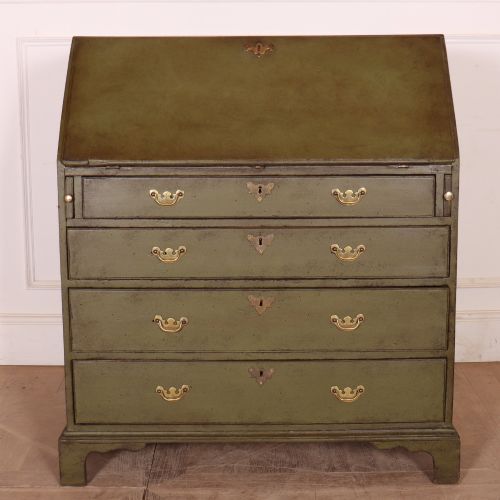
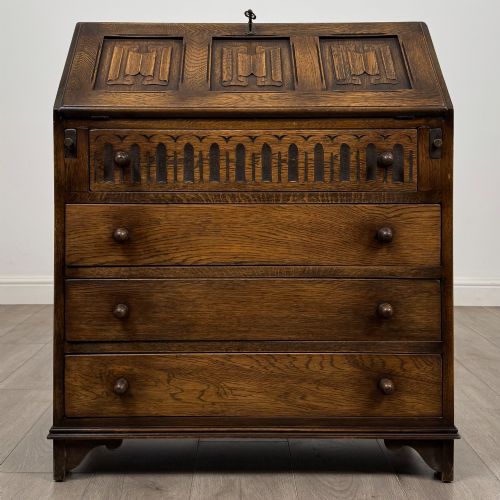
- A desk featuring a sloping hinged writing flap that opens to reveal internal compartments and small drawers. They often sit above a bank of larger drawers for storage.
- Linenfold
- A carved wood panel motif resembling folded fabric popular in Jacobean and revival styles. Artisans chiselled this pattern onto cabinet doors and stationary boxes.
Traditional Wood Drawers: Frequently Asked Questions
How do I date traditional wood drawers?
Dating relies on examining timber species, construction methods, and hardware styles across periods from the eighteenth to early twentieth centuries. Georgian pieces typically show fine hand-cut dovetails and oak secondary woods, whereas Edwardian items often incorporate machine assistance and varied revival motifs.
Secondary indicators include drawer lining materials, backboard construction, and the type of finish applied to the timber. Comparing these physical characteristics with known historical periods establishes the approximate decade of manufacture.
What maintenance do these wood drawers need?
Maintaining antique timber requires stable indoor humidity and avoidance of direct sunlight to prevent wood splitting or veneer lifting. Regular dusting with a soft cloth and occasional application of appropriate wax preserves the surface sheen.
Harsh chemical polishes and silicone sprays should be avoided as they penetrate the timber pores and degrade the finish over time. Gentle care ensures the traditional wax or polish continues to protect the grain.
Are bedside chests different from standard chests?
Bedside chests are scaled down specifically for placement alongside a bed, offering lower heights and shallower depths than full-sized bedroom chests. They provide convenient surface space for lamps and small items while housing two or three compact drawers.
Standard chests of drawers are built larger for primary clothing storage, featuring multiple graduated tiers standing much higher off the floor. Both share similar cabinet making techniques but serve distinct spatial functions in a room.