
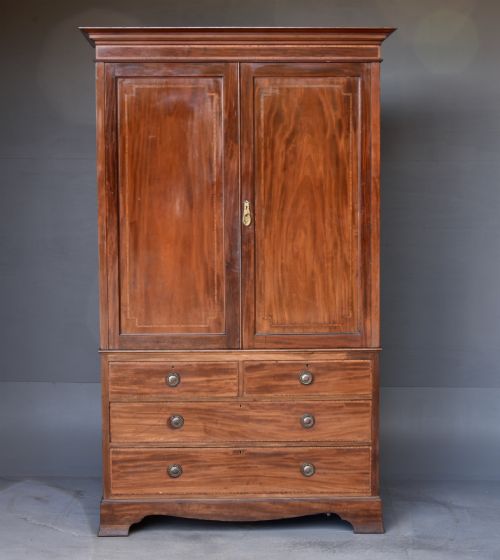


Vintage Wooden Storage Drawers
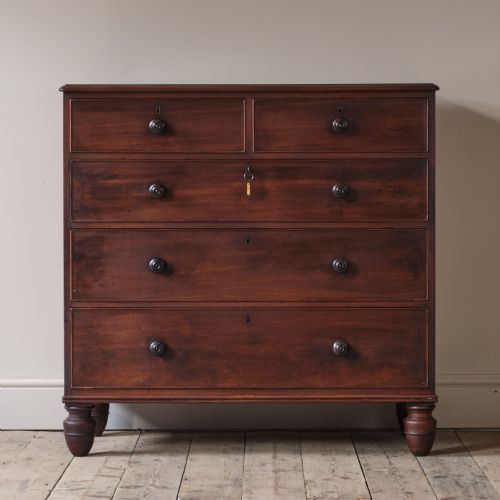
Vintage wooden storage drawers bring domestic order, spanning robust pine lockers and polished mahogany chests from the Georgian and Victorian periods.
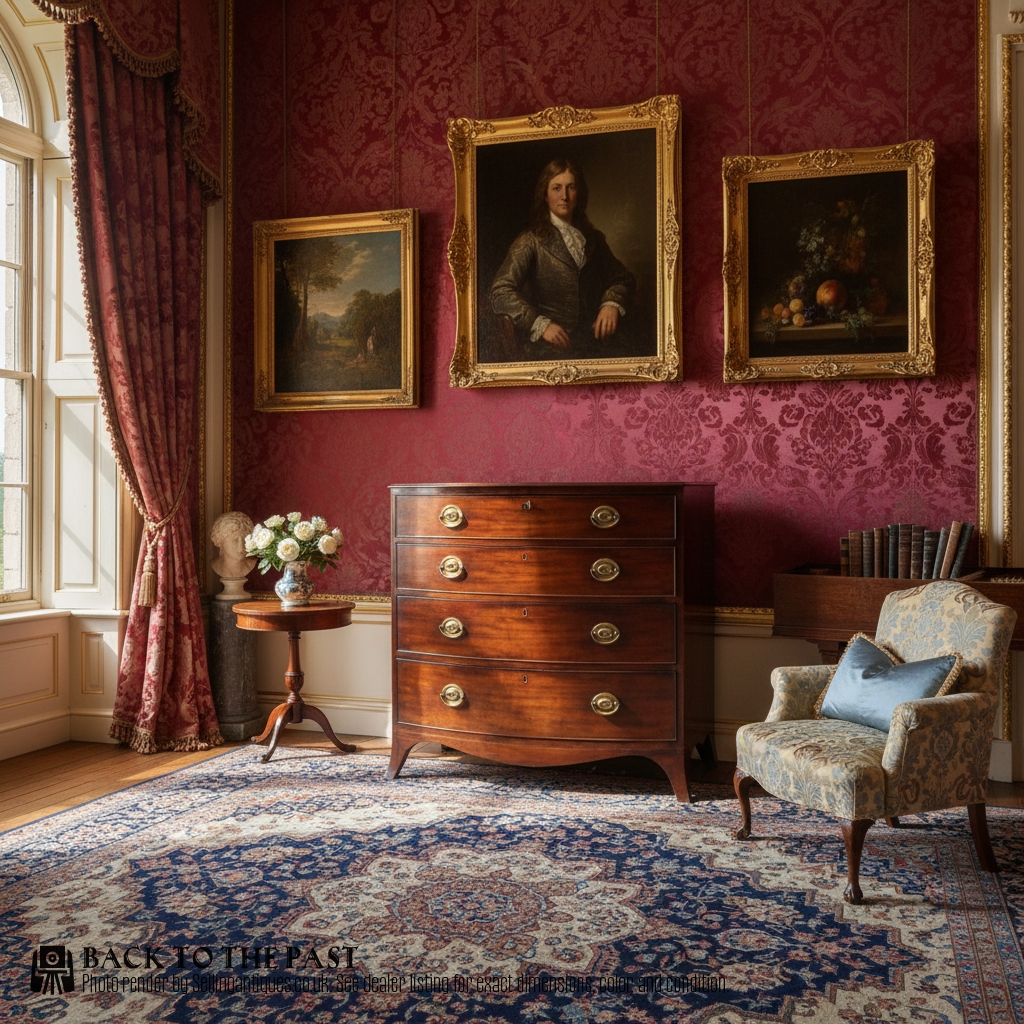
Vintage Wooden Storage Drawers
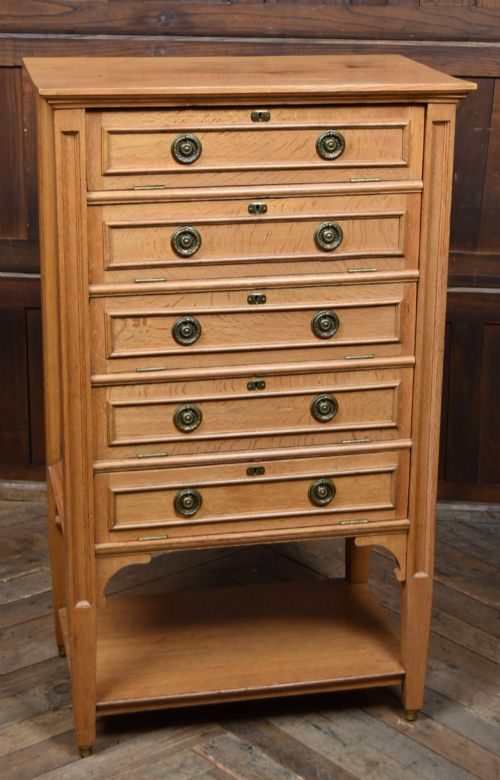
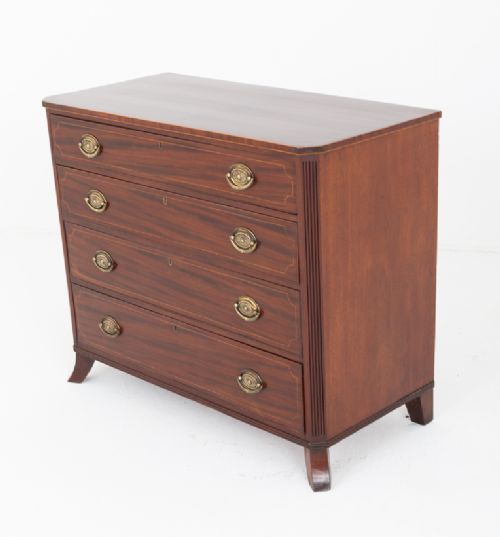
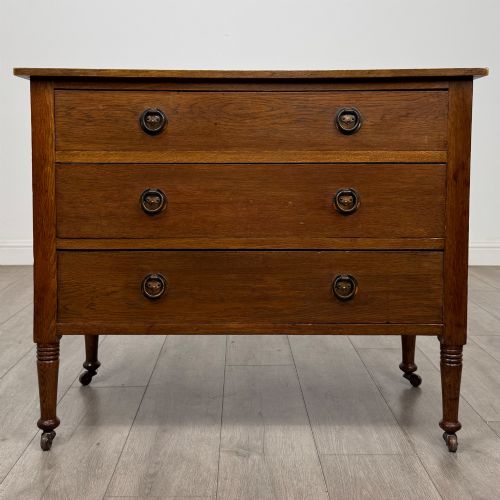
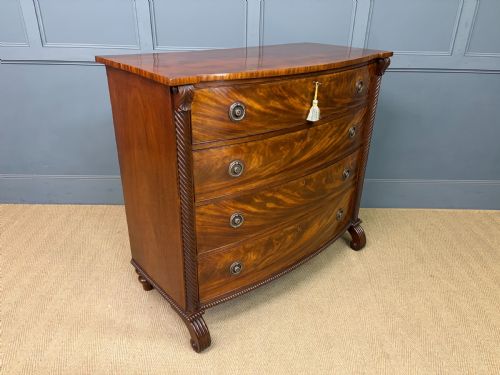
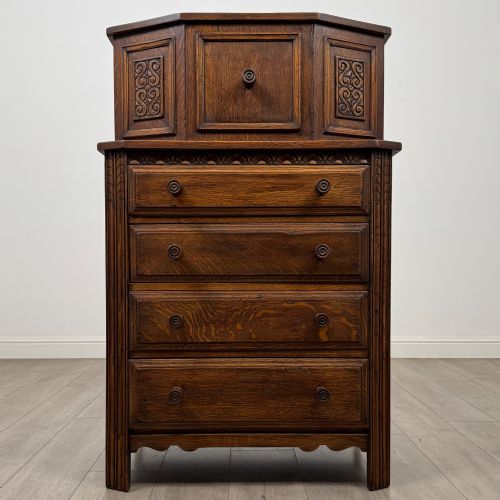
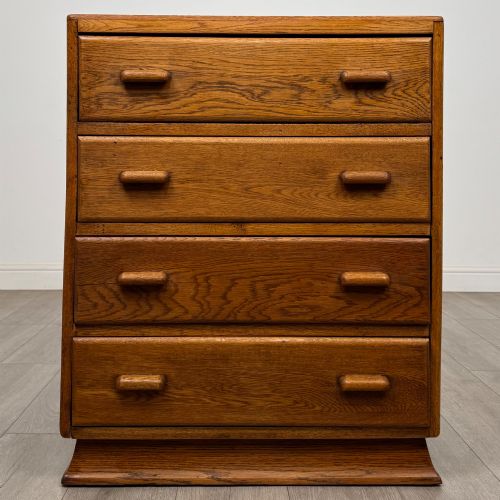
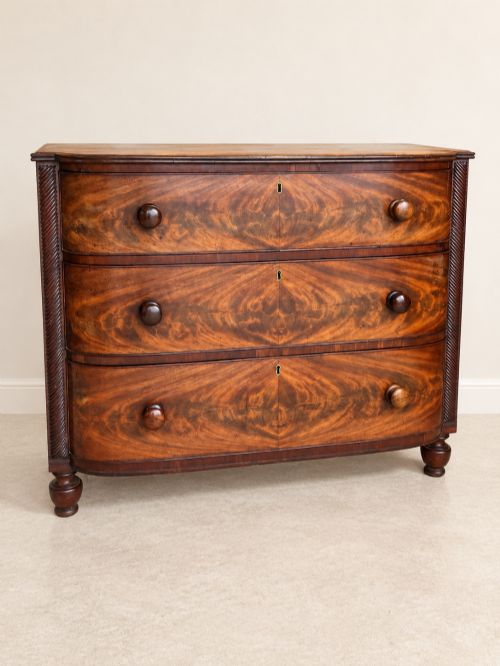
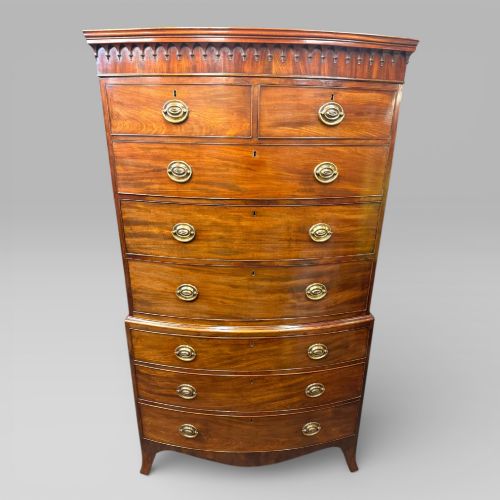
When you search for vintage wooden storage drawers, you encounter a varied selection of functional furniture ranging from utilitarian pine filing cabinets to elegant mahogany chests of drawers. The most common forms met on this page are Edwardian and Victorian chests, alongside Georgian bow-fronts and tallboys designed for domestic organisation.
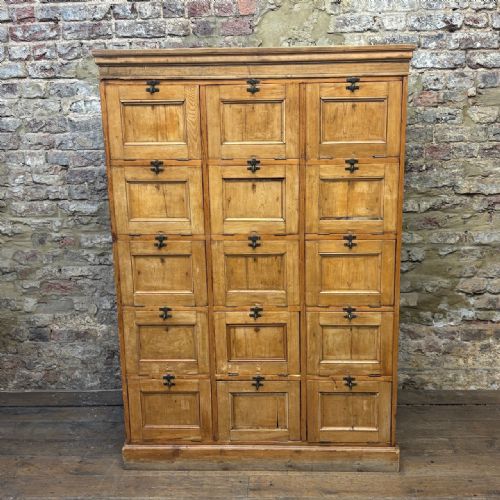
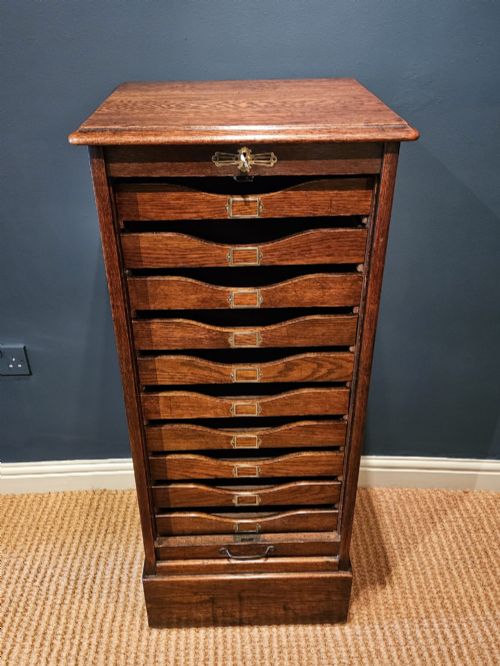
These pieces originate from multiple eras, covering the 18th century, the Regency period, and the early 20th century. Alongside standard chests, the selection includes specialised storage such as walnut linen presses, tambour front cabinets, and fifteen-door locker units.
The practical function remains consistent across styles, offering compartmentalised space for clothing, papers, and household goods. Construction formats shift between domestic bedroom furniture and office-oriented filing pieces.
How they were made
Cabinetmakers utilised solid timbers such as oak, pine, and mahogany for the primary structure of these storage pieces. Drawer carcases and frames rely on traditional joinery to support daily use over centuries.
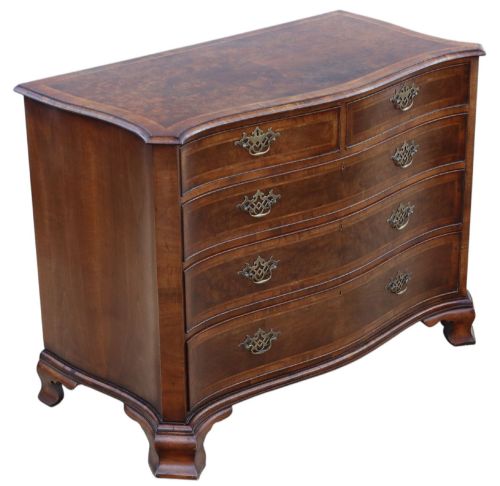
Surface finishes incorporate decorative treatments including flame mahogany veneer, burr walnut, and crossbanded details. Brass hardware frequently provides handles and key escutcheons across Georgian and Regency examples.
Fifteen doors stand ready for tiny secrets.
What varies in quality
The standard of timber selection distinguishes standard utility pieces from high-status cabinet work. Figure matching in walnut and flame mahogany veneers creates visual depth on superior examples.
Subtle details in drawer construction and timber thickness dictate the overall durability and tactile experience of opening and closing each compartment.
T G Seddon·maples and co·Sir Clough Williams Ellis
The Vintage Wooden Storage Drawers Glossary
- Bow front
- A convex curved cabinet front that projects outward at the centre. This curved profile is frequently seen on Regency and Georgian mahogany chests.
- Tallboy
- A tall chest of drawers, often constructed in two sections with a smaller set stacked upon a larger base. These provide generous vertical storage within a compact footprint.
- Linen press
- A tall storage cabinet featuring upper doors enclosing sliding trays, positioned above a lower bank of drawers. Originally utilised for flat textiles and linens.
- Tambour
- A flexible sliding door formed from narrow vertical strips of wood glued to a canvas backing. This mechanism runs in tracks to conceal interior filing compartments.
- Crossbanding
- A decorative border veneer applied around the perimeter of a drawer front or top surface, where the grain runs perpendicular to the main panel.
Vintage Wooden Storage Drawers: Frequently Asked Questions
What is a Wellington chest?
A Wellington chest is a tall, narrow set of drawers secured by a hinged locking stile on one vertical edge. This locking bar fastens with a key to secure all drawers simultaneously.
Such designs originated in the 19th century and provide secure vertical storage in bedrooms or studies.
How do I identify a Georgian chest?
Georgian chests typically display disciplined proportions, solid mahogany construction, and understated bracket feet or ogee bracket bases. Brass pull handles often feature backplates reflecting the specific decades of manufacture.
Drawer interiors generally utilise oak linings with hand-cut dovetails joining the sides to the fronts.
What is the difference between a tallboy and a chest on chest?
A chest on chest consists of two complete cabinet sections stacked vertically, offering substantial drawer capacity. A tallboy traditionally refers to a single tall chest or a wardrobe configuration with lower drawers.
Both forms maximise storage height while maintaining floor space in period interiors.
How should I clean wood storage drawers?
Maintain polished wood surfaces using microfibre cloths and appropriate wax formulations that nourish antique timber without building up residue. Avoid abrasive cleaners or excess moisture near veneer edges.
Regular gentle dusting preserves the natural lustre of mahogany, walnut, and oak finishes.