
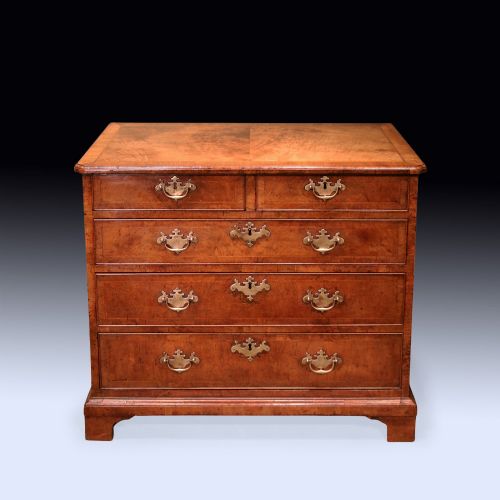

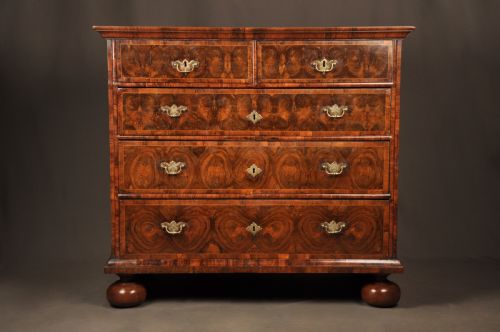
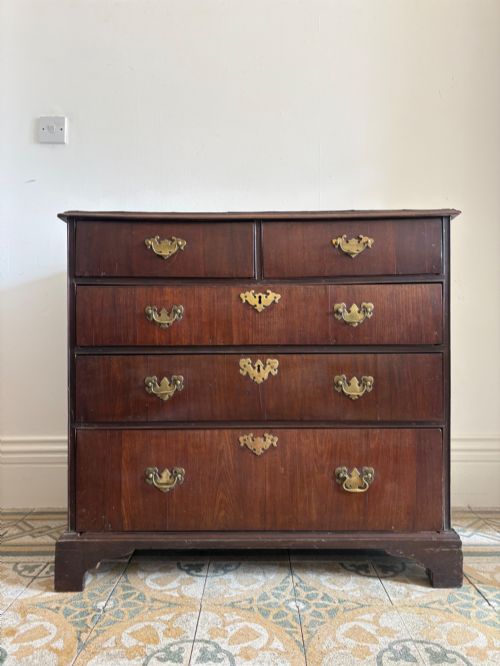


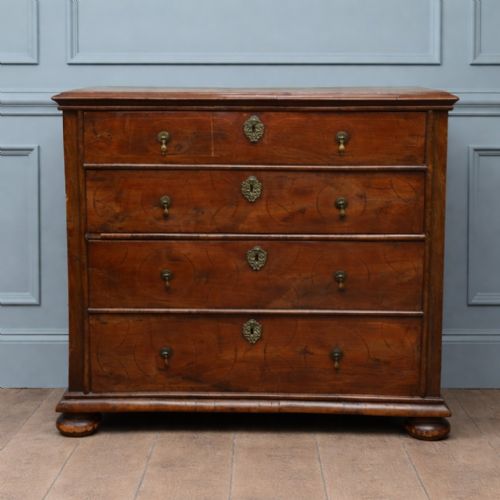

Period Walnut Commode
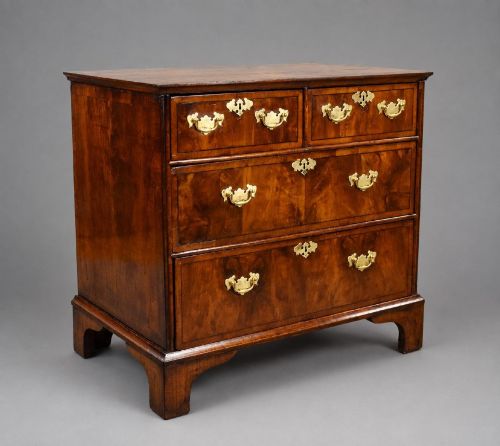
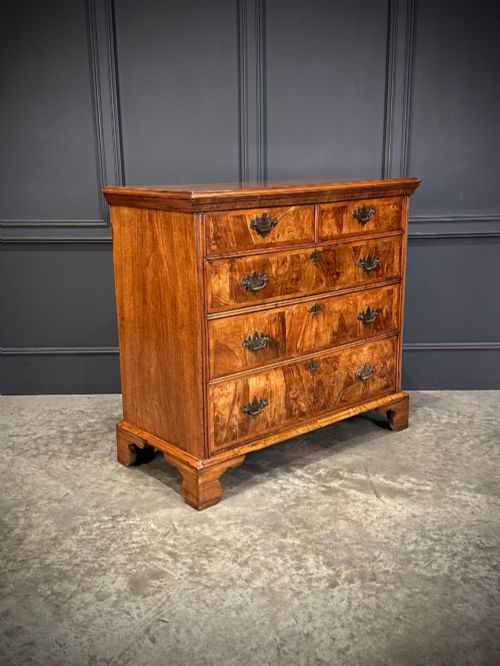
A period walnut commode brings substantial timber and deep grain into a room, offering practical storage with considerable presence.
Period Walnut Commode
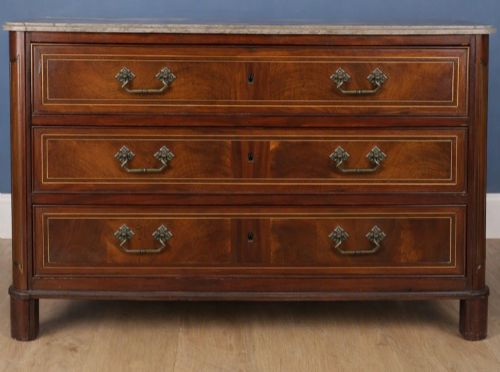
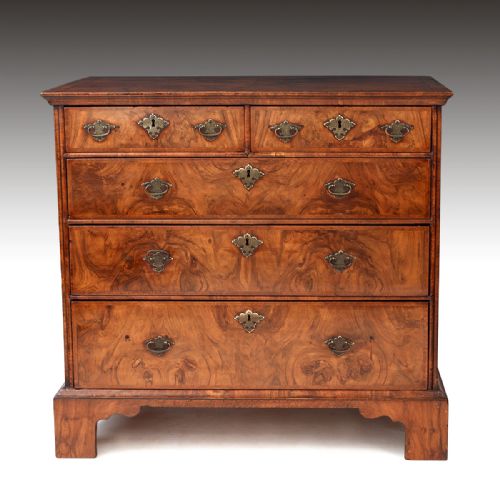
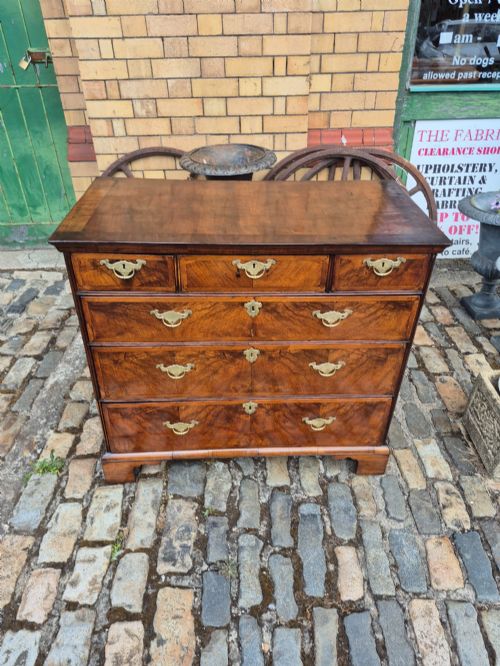
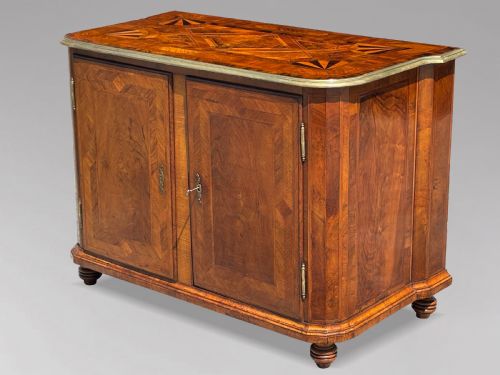
A period walnut commode encompasses low drawer chests and French-style commodes spanning the late seventeenth century through the Georgian era and into the nineteenth century. These pieces appear in forms ranging from English William and Mary and Queen Anne chests to continental Baroque and Louis periods.
The materials recorded in these pieces rely heavily on walnut and burr walnut, alongside oak, fruitwood, and occasional marble tops. Continental examples bring satinwood, rosewood, and tulipwood into provincial and transitional designs.
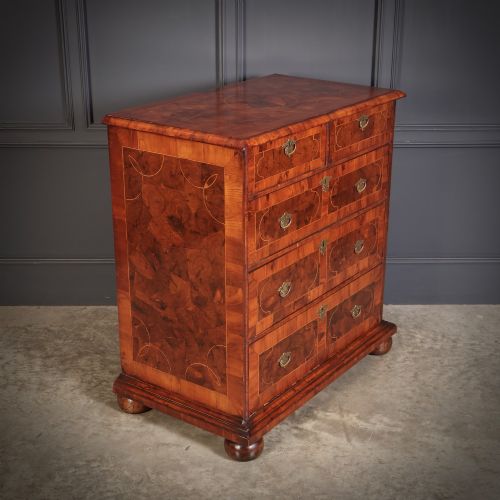
Buyers encounter variations that include feather-banded borders, geometric oyster veneers, and marquetry inlays executed in boxwood. Brass handles and escutcheons finish the drawer fronts across various regional workshops.
Construction and materials
Cabinet makers utilised solid walnut and walnut veneers laid over secondary timbers such as oak and fruitwood. Slicing timber into thin sections produced intricate grain patterns, notably the circular motifs seen in oyster veneering.
Marquetry and inlay techniques incorporated lighter woods like boxwood to form contrasting floral and geometric panels. Brass hardware, including drop handles and engraved backplates, secured the drawer structures while adding metallic contrast to the timber.
Some seventeenth-century branches gave their lives just to look like oyster shells on a drawer front.
Quality and execution
Quality rests in the handling of the veneer and the integrity of the underlying construction. Pieces displaying continuous, well-matched grain patterns across the drawer fronts demonstrate superior craftsmanship from the workshop.
The crispness of inlay work and the preservation of original brass mounts distinguish finer examples. Structural stability in the carcase and drawers dictates the longevity of each piece.
The Period Walnut Commode Glossary
- Oyster veneering
- Cutting small branches or shoots transversely to produce circular or oval motifs with swirling growth rings. This technique creates a dense, patterned surface across seventeenth-century drawer fronts.
- Marquetry
- The art of applying decorative pieces of veneer to a structure to form intricate pictorial or geometric designs. Craftsmen utilised various contrasting timbers to achieve shaded pictorial effects.
- Feather-banding
- A type of inlay where two strips of veneer are laid diagonally to meet at a central point, resembling a bird feather. This method frames drawer perimeters on Georgian walnut furniture.
- Serpentine outline
- A curved shape featuring a convex centre flanked by concave curves, or vice versa. This contour appears on Baroque and mid-eighteenth-century commodes.
Period Walnut Commode: Frequently Asked Questions
What is a walnut commode?
A walnut commode is a low chest of drawers or cabinet constructed primarily from walnut timber, originating from seventeenth, eighteenth, or nineteenth-century workshops.
These pieces served domestic storage needs in bedchambers and reception rooms, combining functional drawer space with decorative wood grains.
How do I care for period walnut?
Period walnut benefits from stable room temperatures and protection from direct sunlight to prevent the timber and veneers from drying out.
Applying traditional wax polish helps maintain the lustre of the wood without building up synthetic residues.
What distinguishes William and Mary furniture?
William and Mary pieces date from the late seventeenth century and often feature distinct geometric veneering, oyster patterns, and elaborate marquetry.
These items highlight early cabinet-making techniques that prioritized rich surface textures over plain timber.
Are marble tops original on commodes?
Marble tops appear frequently on continental commodes, particularly those from French Louis periods and nineteenth-century transitional designs.
They provided a durable, decorative surface for French case pieces while adding weight and classical proportion to the design.